6 citations
,
May 2012 in “The Journal of Dermatology” Fexofenadine may help treat a difficult type of hair loss.
 March 2023 in “PARIPEX INDIAN JOURNAL OF RESEARCH”
 Tofacitinib helped regrow hair in most patients with severe hair loss.
32 citations
,
February 2018 in “Spectrochimica acta. Part A, Molecular and biomolecular spectroscopy” Cosmetic residues on individual hairs can be identified and differentiated using ATR FT-IR microspectroscopy.
The new method provides more accurate vibrational frequencies for drug molecules than traditional models.
 September 2020 in “Farmacja Polska”
 Foams improve drug absorption and release in various medical applications.
June 2025 in “British Journal of Dermatology” Tofacitinib was more effective than methotrexate for treating alopecia areata.
November 2024 in “Dermatology and Therapy” Dermatologists should carefully choose treatments for FFA to avoid worsening the condition.
6 citations
,
December 2018 in “Ophthalmic Plastic and Reconstructive Surgery” Afatinib can cause eyelash and eyebrow issues, leading to eye irritation and pain.
35 citations
,
July 2022 in “Frontiers in Integrative Neuroscience” Formononetin may help protect the brain and treat neurological diseases.
Frontal Fibrosing Alopecia mainly affects postmenopausal women and is linked to thyroid disease, hyperlipidemia, and anemia.
May 2024 in “Reactions weekly” April 2017 in “Leukemia research” Tofacitinib helped most teenagers in the study regrow hair with mild side effects.

Early combination therapy can effectively regrow hair in frontal fibrosing alopecia.
4 citations
,
January 1988 in “Cosmetics and toiletries” 0.1% piroctone olamine in hair tonics effectively treats dandruff.
 5 citations
,
June 2019 in “Open Forum Infectious Diseases”
5 citations
,
June 2019 in “Open Forum Infectious Diseases” Six African American women experienced hair loss after switching to a new HIV medication.
43 citations
,
November 2009 in “Archives of dermatology” Alefacept does not effectively treat severe alopecia areata.
 36 citations
,
June 2014 in “Experimental Neurology”
36 citations
,
June 2014 in “Experimental Neurology” Teriflunomide is an effective and generally safe oral treatment for relapsing MS, reducing relapses and slowing disability progression.
7 citations
,
September 2021 in “Antimicrobial Agents and Chemotherapy” Olorofim effectively treats fungal skin infections.
 March 2025 in “Drug Development Research”
 The new gel combining minoxidil and tofacitinib effectively treats alopecia areata by promoting hair growth and reducing inflammation.
 December 2025 in “Journal of Pakistan Association of Dermatologists”
 Stopping afatinib improved a rare scalp condition in a patient.
Oral tofacitinib effectively treats alopecia areata long-term with manageable side effects.
August 2024 in “Skin Research and Technology” TAF can be identified by excessive skin thickening and clogged hair follicles, helping distinguish it from similar skin conditions.
July 2021 in “Journal of dermatology & dermatologic surgery” IMTA can help regrow hair in severe alopecia areata when JAK inhibitors don't work well.
 69 citations
,
August 2008 in “Journal of The European Academy of Dermatology and Venereology”
69 citations
,
August 2008 in “Journal of The European Academy of Dermatology and Venereology” Oral dutasteride and topical pimecrolimus can safely and effectively treat Frontal Fibrosing Alopecia, leading to significant hair regrowth.
 1 citations
,
May 2025 in “The Journal of Rheumatology”
1 citations
,
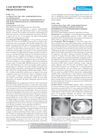
May 2025 in “The Journal of Rheumatology” Anifrolumab effectively improved lupus headaches in a patient unresponsive to other treatments.
Mycophenolate mofetil is a good alternative for autoimmune hepatitis patients who can't tolerate azathioprine.
June 2025 in “British Journal of Dermatology” Tofacitinib is more effective than methotrexate for treating moderate-to-severe alopecia areata.
5 citations
,
January 2015 in “Case reports in medicine” A baby was diagnosed with IFAP syndrome due to a new genetic mutation, showing severe skin and developmental issues.
16 citations
,
January 2021 in “Journal of the American Academy of Dermatology” Asynchronous telemedicine for acne treatment is effective and improves access and productivity.