 October 2024 in “Archives of Dermatological Research”
 Higher GPER-1 levels are linked to more severe and shorter-duration androgenetic alopecia, suggesting GPER-1 as a potential treatment target.
 10 citations
,
June 2001 in “Annals of neurology”
10 citations
,
June 2001 in “Annals of neurology” Alzheimer's patients have higher levels of certain chemicals in their hair.
February 2025 in “Brazilian Journal of Hair Health” Personalized multimodal treatment significantly improved hair growth and scalp coverage in androgenetic alopecia without side effects.
21 citations
,
February 2024 in “JAMA Dermatology” Alopecia areata severity is influenced by factors like long disease duration, relapses, treatment response, and mental health, leading to the creation of a new severity measurement tool.
OCT can effectively diagnose different stages of hair loss non-invasively.
 October 2025 in “JOURNAL OF CLINICAL AND DIAGNOSTIC RESEARCH”
 Both single and double spin PRP methods effectively treat male hair loss, but single spin is easier and cheaper.
January 2002 in “Hair transplant forum international” Finasteride reduces hair follicle cell death in androgenetic alopecia.
January 2020 in “Platelet Rich Plasma in Androgenetic Alopecia- A Prospective Study.”  28 citations
,
October 2011 in “International Journal of Molecular Medicine”
28 citations
,
October 2011 in “International Journal of Molecular Medicine” Adenosine helps hair grow longer and stronger by boosting certain growth factors and signaling pathways.
March 2022 in “Japanese Journal of Complementary and Alternative Medicine” Hair thinning improved with basalt stone and placenta extract treatment but recurred when paused.
January 2018 in “Elsevier eBooks” Progeria, a disease that causes early aging, is linked to a gene mutation and helps us understand normal aging.
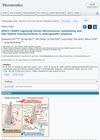 May 2026 in “Theranostics”
 Targeting DKK3–CKAP4 can help reverse hair loss in androgenetic alopecia.
 1 citations
,
December 2017 in “Journal of The European Academy of Dermatology and Venereology”
1 citations
,
December 2017 in “Journal of The European Academy of Dermatology and Venereology” Vertex baldness has higher DHT levels than frontal baldness, but testosterone and PSA levels are similar.
 October 2019 in “European heart journal”
 Androgen-deprivation therapies increase the risk of certain heart conditions, but testosterone treatment may help.
 52 citations
,
April 2004 in “Journal of The American Academy of Dermatology”
52 citations
,
April 2004 in “Journal of The American Academy of Dermatology” Male pattern baldness involves three mechanisms and finasteride can help reverse it.
July 2024 in “Journal of Investigative Dermatology” PRP preparation partially activates platelets, causing varied growth factor release.
 April 2024 in “European Journal of Dermatology”
 The 2940-nm Er: YAG fractional laser may help treat receding frontal hairlines in men with androgenetic alopecia.
1 citations
,
April 2015 in “InTech eBooks” RAGE is a potential target for melanoma treatment, but its effectiveness is uncertain due to variable expression levels.
2 citations
,
May 2023 in “The Journal of Immunology” NXC736 significantly reduced hair loss in mice with alopecia areata.
1 citations
,
July 2024 in “Journal of Investigative Dermatology” Plaquenil can cause a severe skin reaction called AGEP, requiring prompt diagnosis and treatment.
 April 2026 in “Dermatology and Therapy”
 The device improved hair growth and thickness in men without side effects.
 January 2025 in “Journal of Materials Chemistry B”
 A new treatment using special microneedles and a nitric oxide-releasing drug could improve hair growth and be more convenient for people with hair loss.
October 2025 in “University of Zadar Institutional Repository” Early hair loss may signal a risk for metabolic syndrome and related health issues.
 3 citations
,
May 2017 in “Dermatologic Surgery”
3 citations
,
May 2017 in “Dermatologic Surgery” PRP may help treat female hair loss, but more research needed.
January 2023 in “Dermatology” Ageing and increased senescent cells significantly contribute to common hair loss.
 March 2020 in “QJM: An International Journal of Medicine”
 SVF and PRP improve hair loss, but SVF causes more side effects.
14 citations
,
June 2021 in “Journal of dermatological science” Argan press cake extract might help grow hair and protect hair cells from damage and inflammation.
1 citations
,
May 2024 in “International Journal of Molecular Sciences” Adenosine receptors could be promising targets for treating inflammatory skin diseases like psoriasis.
 July 2025 in “Journal of Investigative Dermatology”
 Miniaturized hair follicles in androgenetic alopecia show abnormal mitochondrial activity and damage.
 January 2024 in “Biomedicines”
 Using stem cells from hair follicles to treat female hair loss is safe and effective after six months.