 1 citations
,
July 2024 in “Indian Journal of Case Reports”
1 citations
,
July 2024 in “Indian Journal of Case Reports” GAPO syndrome causes growth issues, hair loss, missing teeth, and vision problems.
June 2024 in “Current Developments in Nutrition” KeraGLO improves skin and hair health.
 November 2017 in “British Journal of Dermatology”
 Genes controlling hair growth and immune response are disrupted in male pattern baldness.
 2 citations
,
November 2017 in “Elsevier eBooks”
2 citations
,
November 2017 in “Elsevier eBooks” Different substances that activate or block the androgen receptor can affect male development and treat conditions like prostate cancer.
37 citations
,
December 2020 in “PLANT PHYSIOLOGY” A mutant FERONIA gene affects root hair growth at high temperatures.
 May 2024 in “Research Square (Research Square)”
 Pediatric androgenetic alopecia is linked to obesity, family history, hormonal imbalances, and requires personalized treatment including managing comorbidities.
 February 2025 in “Brazilian Journal of Case Reports”
 Medicinal plant treatments effectively reduce hair loss in Korean men and women.
Polygonum multiflorum, especially emodin, may help treat hair loss by targeting specific proteins, offering a new approach beyond traditional therapies.
 1 citations
,
October 2020 in “Journal of Cosmetic Dermatology”
1 citations
,
October 2020 in “Journal of Cosmetic Dermatology” Possible link between hair loss and metabolic syndrome, with RANTES as a potential clue.
June 2026 in “Journal of Pharmaceutical Innovation”  5 citations
,
September 2011 in “Pediatric Dermatology”
5 citations
,
September 2011 in “Pediatric Dermatology” Two young siblings experienced hair loss without hormone issues or other skin problems.
 September 2023 in “Frontiers in Medicine”
 The scalp fat tissue of men with hair loss shows changes in gene activity that may contribute to their condition.
 January 2026 in “European Journal of Dermatology”
 Advanced dermocosmetics can effectively manage androgenetic alopecia and improve quality of life.
July 2013 in “Faculty of Health; Institute of Health and Biomedical Innovation” Prostaglandins don't genetically contribute to hair loss.
 July 2024 in “Chinese Medical Journal”
 Peripheral blood alive cell treatment is effective and safe for treating hair loss.
 26 citations
,
June 2018 in “The journal of immunology/The Journal of immunology”
26 citations
,
June 2018 in “The journal of immunology/The Journal of immunology” AIRE-deficient rats developed severe autoimmune disease similar to APECED, useful for testing treatments.
 5 citations
,
March 2005 in “Journal of The American Academy of Dermatology” 28 citations
,
June 2000 in “PubMed”
5 citations
,
March 2005 in “Journal of The American Academy of Dermatology” 28 citations
,
June 2000 in “PubMed” Androgenetic alopecia is common hair loss due to genetics and DHT.
 1 citations
,
May 2017 in “InTech eBooks”
1 citations
,
May 2017 in “InTech eBooks” Hair loss in Androgenetic alopecia (AGA) is due to altered cell sensitivity to hormones, not increased hormone levels. Hair growth periods shorten over time, causing hair to become thinner and shorter. This is linked to miscommunication between cell pathways in hair follicles. There's also a change in gene expression related to blood vessels and cell growth in balding hair follicles. The exact molecular causes of AGA are still unclear.
2 citations
,
April 2022 in “Der Hautarzt” PRP may help with hair loss, but more research is needed.
 March 2023 in “Research Square (Research Square)”
 Immune changes and specific genes contribute to male hair loss.
10 citations
,
October 2000 in “PubMed” Androgenetic alopecia affects many people, impacting quality of life, and treatment focuses on reversing hair follicle miniaturization.
 June 2026 in “Archives of Dermatological Research”
 The rs4541843 variant is linked to higher risk and severity of alopecia areata.
 1 citations
,
April 2020 in “Magnetic Resonance in Medical Sciences”
1 citations
,
April 2020 in “Magnetic Resonance in Medical Sciences” MRI helps evaluate androgenetic alopecia severity.
 February 2018 in “PubMed”
 Society's pressure to have children later in life favors genes that increase the risk of early baldness in male offspring.
 October 2025 in “Asian Journal of Oral Health and Allied Sciences”
 Autologous growth factor concentrate therapy shows promise for treating early-stage hair loss safely and effectively.
3 citations
,
November 2021 in “Clinical, Cosmetic and Investigational Dermatology” Autologous cellular micrografts improve hair density and thickness in the short term for androgenetic alopecia.
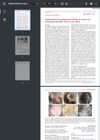 April 2024 in “JEADV clinical practice”
 Upadacitinib significantly improved both rheumatoid arthritis and alopecia areata in a patient.
8 citations
,
October 2016 in “Journal of Investigative Dermatology” MR antagonists may improve skin health and wound healing, especially in aging.
45 citations
,
April 2021 in “Current Treatment Options in Oncology” ADT for prostate cancer may harm the heart, but GnRH antagonists might be safer.