2 citations
,
February 2023 in “Actas Dermo-Sifiliográficas” Baricitinib effectively improved both atopic dermatitis and alopecia areata symptoms in a patient.
 6 citations
,
May 2023 in “Drugs”
6 citations
,
May 2023 in “Drugs” Baricitinib helps regrow hair in adults with severe alopecia better than a placebo and is approved for treatment, but long-term effects are still unknown.
 January 2025 in “Geneesmiddelenbulletin”
 Baricitinib is effective and safe for treating severe alopecia areata with ongoing use.
Ivarmacitinib effectively regrows hair in severe alopecia areata.
January 2026 in “JAAD International” Baricitinib effectively promotes beard regrowth in most men with alopecia areata universalis.
 February 2026 in “Frontiers in Immunology”
 Ivarmacitinib significantly improved hair regrowth in severe alopecia areata after tofacitinib was less effective.
Baricitinib helps regrow hair in teens with severe alopecia areata.
 January 2023 in “Journal of The American Academy of Dermatology”
 Baricitinib helped most teenagers with severe hair loss regrow hair and had mild side effects.
 October 2023 in “Regular and Young Investigator Award Abstracts”
 Baricitinib treatment helped reduce hair loss symptoms in mice by decreasing inflammation-related immune cells.
4 citations
,
October 2024 in “Journal of the American Academy of Dermatology” Abrocitinib may help treat alopecia areata effectively with mild side effects.
14 citations
,
January 2025 in “Journal of Dermatological Treatment” Baricitinib is effective and safe for treating severe alopecia areata, promoting significant hair regrowth.
 56 citations
,
December 2011 in “The Plant Journal”
56 citations
,
December 2011 in “The Plant Journal” AGD1 is important for root hair development in Arabidopsis, working with phosphoinositide signaling and the actin cytoskeleton.
March 2025 in “NATIONS UNIVERSITY INTERNATIONAL JOURNAL OF MULTI-DISCIPLINARY STUDIES” Baricitinib effectively improved skin and hair conditions in a patient with alopecia areata and atopic dermatitis.
 3 citations
,
September 2022 in “Journal of the American Academy of Dermatology”
3 citations
,
September 2022 in “Journal of the American Academy of Dermatology” Baricitinib is effective and safe for severe alopecia areata, working similarly with or without an atopic background.
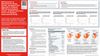 November 2025 in “SKIN The Journal of Cutaneous Medicine”
 Baricitinib significantly regrows hair in nasal, genital, and beard areas for severe alopecia areata.
4 citations
,
September 2025 in “Journal of the American Academy of Dermatology” 6 citations
,
June 2023 in “Journal of the European Academy of Dermatology and Venereology” Inflammation damages sweat ducts, causing sweat gland injury.
July 2025 in “Journal of Investigative Dermatology” AI-09 is safe, effective, and reduces wrinkles for up to 6 months.
 184 citations
,
February 2015 in “EBioMedicine”
184 citations
,
February 2015 in “EBioMedicine” A patient with Alopecia Areata had complete hair regrowth after using the drug baricitinib.
 September 2024 in “Journal of the American Academy of Dermatology”
 Baricitinib 4 mg is effective and safe for treating severe alopecia areata.
January 2026 in “Clinics and Practice” Baricitinib helps alopecia areata and may improve psoriasis, but its effect on psoriatic arthritis is unclear.
2 citations
,
September 2024 in “Internal Medicine Journal” Upadacitinib helped regrow hair and maintain ulcerative colitis remission.
 September 2024 in “Skin Appendage Disorders”
 Tofacitinib helped a woman regrow her hair without relapses after other treatments failed.
 January 2025 in “Balkan Medical Journal”
 Baricitinib helps regrow hair in severe alopecia areata and is safe, but more research is needed.

Baricitinib helped treat a man's beard hair loss when steroids didn't work.
August 2021 in “Journal of the American Academy of Dermatology” Oral baricitinib is effective and safe for treating alopecia areata.
 1 citations
,
November 2023 in “Journal of the European Academy of Dermatology and Venereology”
1 citations
,
November 2023 in “Journal of the European Academy of Dermatology and Venereology” Baricitinib helps with early hair regrowth in people with alopecia areata.
February 2026 in “The Plant Journal” ADF8 and ADF11 help root hairs grow by responding to hormones and environmental signals.
January 2026 in “Skin Health and Disease” Irish dermatologists use JAK inhibitors for alopecia areata but want standardized treatment guidelines.
 January 2024 in “Clinical and Experimental Dermatology”
 Baricitinib helps treat severe hair loss in people over 65.