 19 citations
,
May 2013 in “Annals of Oncology”
19 citations
,
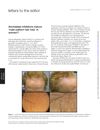
May 2013 in “Annals of Oncology” Aromatase inhibitors cause male pattern hair loss in women.
1 citations
,
May 2011 in “Hair transplant forum international” Injectable ACell with blood serum/PRP may slow hair loss and regrow thinning hair.
 April 2012 in “Informa Healthcare eBooks”
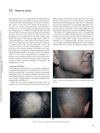
 Alopecia areata is a common autoimmune condition causing varying hair loss, diagnosed by specific patterns of inflammation around hair follicles, with several treatment options available.
 June 2024 in “Military medicine”
 JAK inhibitors like baricitinib and ritlecitinib are effective new treatments for severe alopecia areata.
 April 2018 in “Journal of Investigative Dermatology”
 Anigozanthos Flavidus flower extract helps regenerate skin and reduce wrinkles.
 2 citations
,
September 2022 in “Dermatologic Therapy”
2 citations
,
September 2022 in “Dermatologic Therapy” Tofacitinib is a promising treatment for severe alopecia areata, with many patients experiencing complete or partial hair regrowth.
 January 2024 in “Wiadomości Lekarskie”
 AI and new therapies show promise in medicine, especially for cancer and regenerative treatments.
 May 2025 in “Journal of Craniofacial Surgery Open”
 High-intensity focused ultrasound improved hair growth in a woman with no side effects.
 April 2023 in “Revista colombiana de reumatología”
 JAK inhibitors like tofacitinib can effectively treat severe alopecia areata.
April 2019 in “The journal of investigative dermatology/Journal of investigative dermatology” Blocking JAK1 or JAK3 helps reverse hair loss in a mouse model of alopecia areata.
 May 2023 in “Journal of Applied Cosmetology”
 The Annurca apple supplement significantly improved hair growth in people with hair loss.
 5 citations
,
February 2015 in “Dermatologica Sinica”
5 citations
,
February 2015 in “Dermatologica Sinica” Computer-aided imaging system helps measure balding area in female pattern hair loss.
1 citations
,
April 2022 in “Frontiers in Bioengineering and Biotechnology” Astrocytes can become stem cell-like and help repair brain damage.
 10 citations
,
January 2010 in “Acta Histochemica Et Cytochemica”
10 citations
,
January 2010 in “Acta Histochemica Et Cytochemica” c-kit affects hair growth and color in alopecia areata and androgenetic alopecia.
5-ARI therapy may help prevent prostate cancer progression.
2 citations
,
October 2000 in “Journal of Investigative Dermatology” AUC and APL are distinct conditions needing careful clinical assessment.
November 2006 in “評価・診断に関するシンポジウム講演論文集” KSR1 is crucial for certain skin tumor formation and could be a cancer therapy target.
1 citations
,
May 2024 in “Italian Journal of Dermatology and Venereology” Alopecia areata is hard to manage and affects quality of life.
 184 citations
,
February 2015 in “EBioMedicine”
184 citations
,
February 2015 in “EBioMedicine” A patient with Alopecia Areata had complete hair regrowth after using the drug baricitinib.
January 2026 in “Journal of Cosmetic Dermatology” Topical 4-aminopyridine 5% does not improve hair growth in male pattern baldness.
New drugs, baricitinib and ritlecitinib, are effective for severe alopecia areata.
 9 citations
,
May 2019 in “Journal of dermatological treatment”
9 citations
,
May 2019 in “Journal of dermatological treatment” Apremilast helps regrow hair in hard-to-treat alopecia areata.
Activin A increases inner ear hair cell development, while follistatin decreases it.
 8 citations
,
September 2016 in “Journal of Investigative Dermatology”
8 citations
,
September 2016 in “Journal of Investigative Dermatology” Mice with more Flightless I protein grew back their claws better after amputation.
5 citations
,
October 2019 in “JAAD Case Reports” These hair loss conditions might be part of a spectrum, not separate issues.
November 2025 in “Clinical and Translational Medicine” DNAJB9 cfRNA could help diagnose and treat female hair loss.
9 citations
,
July 2019 in “Dermatologic therapy” Alitretinoin can effectively treat frontal fibrosing alopecia.
July 2024 in “Journal of Investigative Dermatology” JAK inhibitors improve hair growth in alopecia areata, especially in patchy types.
April 2012 in “Journal of evolution of medical and dental sciences” No effective treatment exists to stimulate hair growth in atrichia with papular lesions.