 July 2023 in “Institutional Repositories DataBase (IRDB)”
 Malassezia species may contribute to hair loss in AGA patients.
 June 2023 in “Benha Journal of Applied Sciences”
 Acne is caused by multiple types of bacteria.
18 citations
,
January 2002 in “Pediatric Dermatology” A rare skin condition in children can look like other diseases.
 January 2019 in “Advances in Environmental Biology”
 Propionibacterium acnes contributes to acne and antibiotic resistance, needing new treatments.
 June 2023 in “JEADV. Journal of the European Academy of Dermatology and Venereology/Journal of the European Academy of Dermatology and Venereology”
 New technologies show potential for better understanding and treating skin conditions with abnormal mucin, but more research is needed for clinical use.
 1 citations
,
February 2017 in “The American journal of dermatopathology/American journal of dermatopathology”
1 citations
,
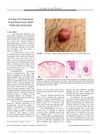
February 2017 in “The American journal of dermatopathology/American journal of dermatopathology” A man with a skin nodule was diagnosed with a rare skin condition called cutaneous focal mucinosis, which can be confused with other skin cancers.

Male hormones can decrease the ability of immune cells to fight bacteria.
46 citations
,
January 1988 in “PubMed” Hair follicle mites might spread harmful microorganisms.
 January 2018 in “Our Dermatology Online”
 Trichomycosis axillaris is a treatable bacterial infection of underarm hair.
 April 2018 in “Journal of Investigative Dermatology”
 People with palmoplantar pustulosis, especially with bone issues, have different mouth bacteria compared to healthy people.
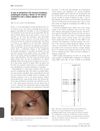
December 2017 in “Canadian journal of ophthalmology” A rare skin condition was misdiagnosed as a harmless mole on a woman's eyelid.
 7 citations
,
February 2010 in “British Journal of Dermatology”
7 citations
,
February 2010 in “British Journal of Dermatology” A woman with a rare autoimmune disorder had a blister on her eye and unique immune reaction, which was effectively treated with medication.
37 citations
,
September 2010 in “Journal of Hospital Infection” Hair follicles in the nose may need better cleaning to prevent Staphylococcus aureus infections.
 26 citations
,
May 2019 in “PLOS ONE”
26 citations
,
May 2019 in “PLOS ONE” Hair loss patients have different microbes in hair follicles, possibly affecting hair loss.
September 2022 in “Medical Mycology” Malassezia fungi may contribute to hair loss and inflammation in androgenetic alopecia.
11 citations
,
June 1974 in “Journal of Cutaneous Pathology” Follicular mucinosis causes significant damage to hair follicle cells.
July 2019 in “Zenodo (CERN European Organization for Nuclear Research)” Follicular mucinosis in a 15-year-old is usually harmless but needs monitoring for possible lymphoma.
July 1979 in “Archives of Dermatology” A 68-year-old woman with benign mucous membrane pemphigoid has eye, mouth, and skin issues, including thick plaques and nail changes.
48 citations
,
July 1988 in “PubMed” Rhino mice show significant meibomian gland changes, making them a potential model for studying gland disorders.
The study identified a key protein involved in producing underarm odor and found ways to inhibit it.
3 citations
,
April 2011 in “Journal of the American Academy of Dermatology” A 19-year-old man had a rare skin condition on one side of his face that looked like another skin disease.
The transporter protein SH1446 in Staphylococcus hominis is key to underarm odor production.
35 citations
,
March 2012 in “Journal of dermatological science” The document concludes that advanced methods show the presence of P. acnes in acne lesions but do not prove it causes acne.
April 2019 in “Journal of Investigative Dermatology” Alopecia Areata patients have too many Firmicutes and too few Bacteroides in their gut.
21 citations
,
November 2019 in “Molecular & Cellular Proteomics” Citrullinated proteins from Porphyromonas gingivalis may contribute to rheumatoid arthritis.
9 citations
,
January 2013 in “BioMed research international” The conclusion suggests a new acne treatment that controls bacteria by reducing water in the skin's pores using sugar-like substances.
A woman and her guinea pig were successfully treated for a fungal infection.
8 citations
,
March 2010 in “Chinese medical journal/Chinese Medical Journal” Malassezia infection may cause refractory acne, and antifungal treatments can help.
9 citations
,
June 2011 in “American Journal of Dermatopathology” Molluscum contagiosum can occur in epidermoid cysts, especially with prolonged steroid use.
12 citations
,
June 2011 in “Journal of Dermatological Case Reports” Shaving, erythromycin cream, and clotrimazole powder effectively treated the bad odor and rough hair.