38 citations
,
March 1997 in “Journal of interferon & cytokine research” IL-1β inhibits human hair follicle growth.
 1 citations
,
August 2024 in “Transgenic Research”
1 citations
,
August 2024 in “Transgenic Research” Activated β-catenin affects hair growth and skin thickness, and changes are reversible.
August 2025 in “Animal nutrition” α-Ketoglutaric acid improves hair growth, rabbit performance, and antioxidant levels.
January 2006 in “Chieh P'ou Hsueh Pao” A method was found to select hair follicle stem cells, and beta-catenin helps them grow and change.
1 citations
,
July 2025 in “Clinical and Experimental Dermatology” Deucravacitinib led to full hair regrowth in a severe alopecia areata patient.
 6 citations
,
February 2025 in “Scientific Reports”
6 citations
,
February 2025 in “Scientific Reports” MEGA PROTAC improves prediction and ranking of protein complexes better than existing methods.
24 citations
,
February 2007 in “Hormone and metabolic research” The substance MK386 effectively blocked testosterone conversion and reduced cell growth in certain skin cells, but inhibiting 5α-reductase alone may not greatly improve acne.
6 citations
,
January 2010 in “Journal of Biochemical and Molecular Toxicology” The ID2 gene can help distinguish between sensitizers and irritants in skin cells.
 70 citations
,
June 2017 in “Nature Communications”
70 citations
,
June 2017 in “Nature Communications” A new laser technique can precisely remove specific cell types in living animals without harming nearby cells.
40 citations
,
September 2010 in “Journal of Biological Chemistry” Keratin K80 is an ancient protein found in various tissues, important for cell structure and tissue differentiation.
 12 citations
,
August 2011 in “Asian-Australasian Journal of Animal Sciences”
12 citations
,
August 2011 in “Asian-Australasian Journal of Animal Sciences” KAP8.1 gene variations affect cashmere weight in Inner Mongolian goats.
19 citations
,
February 2013 in “Archives of Dermatological Research” 
Dacomitinib can cause nail and skin issues, but these can be managed without stopping the drug.
 March 2026 in “Folia Histochemica et Cytobiologica”
 LTBP1 is a key regulator in diseases and a potential target for new treatments.
There is no cure for myotonic dystrophy type 1, so treatment focuses on managing symptoms and complications.
25 citations
,
April 1985 in “Journal of Investigative Dermatology” 33 citations
,
May 2018 in “Stem Cell Reports” Krt15+ cells in the mouse intestine resist radiation and can start tumors.
 January 1999 in “Journal of the European Academy of Dermatology and Venereology”
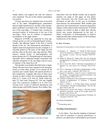
 RAPK is a rare skin disorder with pigmented spots, mainly on hands and feet, starting in youth.
January 2019 in “Columbia Academic Commons (Columbia University)” TRPV3 and TRPV6 channels change structure to regulate calcium and heat responses.
August 2021 in “The journal of investigative dermatology/Journal of investigative dermatology” TAGX-0003 protected hair follicles and reversed alopecia areata in a mouse model.
 December 2024 in “Clinical and Experimental Dermatology”
 Switching to ritlecitinib improves hair regrowth and well-being in severe alopecia areata patients.
11 citations
,
January 2020 in “Journal of Drugs in Dermatology” Intralesional triamcinolone acetonide is effective and safe for treating early to mid-stage traction alopecia.
6 citations
,
March 1996 in “Journal of Investigative Dermatology” 
ACA from Alpinia galanga may prevent testosterone-related hair loss.
7 citations
,
January 2022 in “SAGE open medical case reports” Upadacitinib successfully treated a child's severe skin and hair loss issues.
12 citations
,
December 2022 in “Current Protein and Peptide Science” Thymosin β4 helps in cell activities, healing, and organ preservation, and treats hair loss and skin injuries.
70 citations
,
December 2008 in “Cancer Research” CXCR2 in skin cells promotes tumor growth.
7 citations
,
January 2017 in “Sub-cellular biochemistry/Subcellular biochemistry” February 2026 in “The Journal of Dermatology” Ritlecitinib effectively regrows scalp, eyebrow, and eyelash hair in Asians with alopecia areata and is safe.
 25 citations
,
November 2022 in “British journal of dermatology/British journal of dermatology, Supplement”
25 citations
,
November 2022 in “British journal of dermatology/British journal of dermatology, Supplement” Baricitinib for severe alopecia areata is generally safe, with common side effects like infections and acne, and low rates of serious complications.