 June 2024 in “The Open dermatology journal”
 The herbal extract is as effective and safe as 3% minoxidil for treating hair loss.
 39 citations
,
November 2017 in “Journal of The American Academy of Dermatology”
39 citations
,
November 2017 in “Journal of The American Academy of Dermatology” The document suggests using standardized methods to track and measure hair loss in alopecia areata, including patient self-assessment and a 50% improvement in specific scores as a treatment goal.
 April 2017 in “Actas urológicas españolas”
 5-alpha reductase inhibitors increase the risk of sexual dysfunction in patients treating enlarged prostate but not in those treating hair loss.
 October 2023 in “Journal of Family Medicine and Primary Care”
 More awareness and education on iron deficiency anemia are needed in Riyadh.
124 citations
,
November 2000 in “The journal of investigative dermatology/Journal of investigative dermatology” PAD3 plays a key role in hair and skin protein structure and may be linked to skin diseases.
 April 2024 in “Expert opinion on investigational drugs”
 JAK inhibitors are safe and effective for treating moderate-to-severe alopecia areata.
January 2026 in “Skin Health and Disease” Irish dermatologists use JAK inhibitors for alopecia areata but want standardized treatment guidelines.
 1 citations
,
February 2024 in “JEADV. Journal of the European Academy of Dermatology and Venereology/Journal of the European Academy of Dermatology and Venereology”
1 citations
,
February 2024 in “JEADV. Journal of the European Academy of Dermatology and Venereology/Journal of the European Academy of Dermatology and Venereology” Baricitinib effectively promotes long-term hair regrowth in alopecia areata patients.
2 citations
,
March 2022 in “Journal of The European Academy of Dermatology and Venereology” Combining dutasteride injections with oral minoxidil may improve hair regrowth more than using oral minoxidil alone.
 9 citations
,
January 2023 in “Dermatology and therapy”
9 citations
,
January 2023 in “Dermatology and therapy” A 14-year-old girl with severe hair loss regrew her hair using upadacitinib.
July 2026 in “Journal of Medicinal Chemistry” A new drug strategy improves hair loss treatment with better results and safety.
5 citations
,
October 2024 in “Reumatismo” Upadacitinib significantly improved alopecia universalis and psoriatic arthritis in a patient.
May 2025 in “OPAL (Open@LaTrobe) (La Trobe University)” Linoleic acid and magnesium are key in alopecia areata progression, and tofacitinib can help by affecting their pathway.
 July 2023 in “Deleted Journal”
 Androgenetic alopecia is more common in Saudi men than women.
19 citations
,
April 2017 in “Synapse” Blocking allopregnanolone production in mice makes them more anxious after stress, but this can be reversed with a drug that mimics allopregnanolone.
 November 2025 in “SKIN The Journal of Cutaneous Medicine”
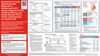
 Baricitinib significantly regrows hair in teens with severe alopecia areata.
Baricitinib effectively promotes regrowth of eyebrows and eyelashes in alopecia areata patients.
Chemotherapy can cause skin issues and hair loss, and this guide explains how to manage them.
May 2026 in “Zenodo (CERN European Organization for Nuclear Research)” May 2026 in “Zenodo (CERN European Organization for Nuclear Research)”  May 2015 in “Journal of The American Academy of Dermatology”
  September 2024 in “Health of Man”
 Low-dose dutasteride effectively and safely promotes hair growth in men with androgenetic alopecia.
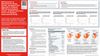 November 2025 in “SKIN The Journal of Cutaneous Medicine”
 Baricitinib significantly regrows hair in nasal, genital, and beard areas for severe alopecia areata.
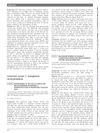
Excluding alopecia and mucous membrane components from the CLASI-A score reduces its effectiveness in capturing important disease activity.
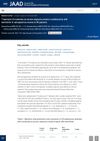 January 2023 in “Journal of The American Academy of Dermatology”
 Baricitinib helped most teenagers with severe hair loss regrow hair and had mild side effects.
 April 2016 in “Journal of The American Academy of Dermatology”
 AGA patients have a lower quality of life than AA patients.
January 2025 in “Archivio istituzionale della ricerca (Alma Mater Studiorum Università di Bologna)” Skin patting and iontophoresis with dutasteride gel improved hair growth in people with androgenetic alopecia.
November 2023 in “SKIN The Journal of Cutaneous Medicine” Ritlecitinib effectively maintains hair regrowth in alopecia areata patients.
August 2022 in “Journal of Investigative Dermatology” Baricitinib reduces inflammation and mitochondrial damage in skin cells.
11 citations
,
February 2022 in “JAAD case reports” Abrocitinib, a JAK inhibitor, may help treat atopic dermatitis and alopecia universalis together.