The research shows how certain drug molecules form stable structures with polymers, which could help create new drug forms.
 June 2023 in “International Journal of Clinical Research and Reports”
 Method B with propylene glycol is better for stable low-concentration DPCP solutions for alopecia areata.
 March 2023 in “İnönü Üniversitesi Sağlık Hizmetleri Meslek Yüksek Okulu Dergisi”
 Obesity is linked to higher metabolic syndrome and LH/FSH ratios, but no significant differences exist among PCOS phenotypes.
 January 2022 in “International Journal of Medical Research”
 Chemotherapy harms healthy cells, causing side effects like hair loss and reduced immunity.

Encapsulating hair loss drugs in cyclodextrins improves their solubility and reduces scalp irritation.

TLR3 signaling enhances the immunosuppressive properties of human periodontal ligament stem cells.
Hair microscopy is a useful and affordable way to diagnose hair disorders.
New techniques make hair transplants look more natural.
 February 2012 in “Journal of The American Academy of Dermatology”
  January 2012 in “Durham e-Theses (Durham University)”
 Keratin 15 affects cell behavior and characteristics in skin cells.
 July 2026 in “JEADV Clinical Practice”
 The SAAD-41 is a valid tool for assessing distress in people with Alopecia Areata.
 3 citations
,
May 2015 in “Journal of The American Academy of Dermatology”
3 citations
,
May 2015 in “Journal of The American Academy of Dermatology” Adalimumab significantly improves quality of life for patients with moderate to severe hidradenitis suppurativa.
February 2026 in “Australasian Journal of Dermatology” A new tool simplifies alopecia areata severity scoring but needs validation.
 24 citations
,
March 2007 in “International Journal of Dermatology”
24 citations
,
March 2007 in “International Journal of Dermatology” The Arabic Skindex-16 is a reliable and valid way to measure the impact of skin conditions on quality of life in Saudi patients.
November 2024 in “SKIN The Journal of Cutaneous Medicine” Ritlecitinib effectively reduces severe hair loss in alopecia areata over 24 months.
14 citations
,
June 2022 in “British Journal of Dermatology” A SALT score of ≤ 20 indicates meaningful improvement in alopecia areata treatment.
 January 2022 in “Al-Azhar Medical Journal”
 Higher antigliadin antibody levels are linked to alopecia areata severity.
1 citations
,
April 2024 in “JAAD International” Adults with alopecia areata stick to their medication better than those with atopic dermatitis.
 January 2025 in “SKIN The Journal of Cutaneous Medicine”
 Baricitinib significantly regrows hair in severe alopecia areata patients.
5 citations
,
April 2024 in “JAAD International” AI can accurately measure hair loss severity in alopecia areata.
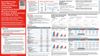 November 2025 in “SKIN The Journal of Cutaneous Medicine”
 Baricitinib works better in adolescents than adults for treating severe alopecia areata.
 1 citations
,
July 2023 in “Al-Azhar Medical Journal”
1 citations
,
July 2023 in “Al-Azhar Medical Journal” Higher antigliadin antibodies are linked to more severe alopecia areata, suggesting screening for celiac disease in these patients.
3 citations
,
November 2023 in “Journal of Investigative Dermatology” Over 45% of patients with alopecia areata benefit from ritlecitinib, mostly within a year.
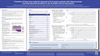 March 2025 in “SKIN The Journal of Cutaneous Medicine”
 Certain patient characteristics can help predict hair regrowth success with ritlecitinib in alopecia areata.
 6 citations
,
June 2018 in “PLOS ONE”
6 citations
,
June 2018 in “PLOS ONE” The Alopecia Areata Assessment Tool (ALTO) effectively identifies alopecia areata from other hair loss types but needs more validation.
May 2024 in “JEADV Clinical Practice” A change in SALT scores of 42 or 43 indicates meaningful improvement in alopecia areata treatment.
 4 citations
,
October 2024 in “American Journal of Clinical Dermatology”
4 citations
,
October 2024 in “American Journal of Clinical Dermatology” Ritlecitinib improved hair regrowth and emotional well-being in some alopecia areata patients.
Baricitinib therapy helped many patients with severe alopecia regrow hair after 52 weeks.
The Turkish version of the Alopecia Areata Quality of Life Index is reliable and valid.