 3 citations
,
September 2002 in “Dermatologic Surgery”
3 citations
,
September 2002 in “Dermatologic Surgery” The evaluation system improved patient selection for hair loss surgery, leading to better results and satisfaction.
 June 2023 in “International Journal of Research in Medical Sciences”
 Two brothers from Bangladesh were diagnosed with X-linked adrenoleukodystrophy, showing neurological and adrenal symptoms.
November 2022 in “Medical science” Herbal treatments are safe and effective for androgenic alopecia when used with other therapies.
 October 2023 in “Journal of the Endocrine Society”
 Joint replacement surgery normalized high alkaline phosphatase levels in a patient with severe osteoarthritis.
2 citations
,
February 2025 in “Archives of Dermatological Research” Baricitinib is a safe and effective alternative for alopecia areata patients who do not respond to tofacitinib.
 March 2026 in “Mendeley Data”
 rwSALT accurately measures hair regrowth in alopecia areata using scalp photos.
December 2025 in “Actas Dermo-Sifiliográficas” Ritlecitinib is effective and safe for treating severe alopecia areata in people aged 12 and older.
 17 citations
,
July 2017 in “International Journal of Behavioral Medicine”
17 citations
,
July 2017 in “International Journal of Behavioral Medicine” The Egyptian Arabic Skindex-16 is a reliable way to measure how skin diseases affect quality of life in Egyptian patients.
 January 2026 in “Dermatology Practical & Conceptual”
 Nail changes are common in alopecia areata and can indicate its severity.
Liquid nitrogen cryotherapy worked well for many patients with stubborn alopecia areata.
 January 2026 in “Frontiers in Bioscience-Landmark”
 Araliadiol protects skin cells from damage by boosting antioxidant defenses.
 October 2025 in “Electronic Theses and Dissertations Repository (University of Pisa)”
 Baricitinib effectively treated alopecia areata in 73% of patients, with minor metabolic changes and significant changes in inflammatory markers.
 October 2011 in “Iranian Journal of Dermatology”
 Men with male pattern baldness may have a higher risk of heart disease due to increased levels of a specific lipid in their blood.
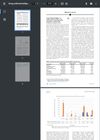 1 citations
,
September 2022 in “JAAD international”
1 citations
,
September 2022 in “JAAD international” Patients generally feel positive about alopecia areata treatments, but emotions vary by treatment type.
 January 2025 in “Advances in Dermatology and Allergology”
 The Polish version of the Alopecia Areata Quality of Life Index is a reliable tool for assessing quality of life in Polish-speaking patients with alopecia areata.
 April 2019 in “International research journal of pharmacy”
 Adiantum capillus extract reduces pain and swelling in animals.
September 2025 in “The Open Dermatology Journal” The AI showed high accuracy in diagnosing skin conditions but needs improvement for immunological and infectious disorders.
January 2019 in “Journal of the Egyptian Women's Dermatologic Society (Print)” People with androgenetic alopecia have a higher risk of heart disease.
 January 2023 in “International Journal of Zoological Investigations”
 Certain genetic variations in IL-16 may increase the risk of alopecia areata.
July 2025 in “Journal of Research in Siddha Medicine” Eclipta alba extract is generally safe with mild liver and kidney changes at high doses.
August 2026 in “Journal of Cosmetic Dermatology” PRP is a good alternative to ILTA for treating mild patch-type alopecia areata, with similar effectiveness and fewer side effects.
1 citations
,
September 2024 in “Journal of the American Academy of Dermatology” Farudodstat may effectively treat alopecia areata without harmful side effects.
June 2026 in “Value in Health” The measures for eyebrow and eyelash hair loss in severe Alopecia Areata are reliable and useful for clinical trials.
December 2021 in “Journal of BP Koirala Institute of Health Sciences” Androgenetic alopecia affects men's emotions more than symptoms or daily function.
 March 2026 in “International Journal of Dermatology and Venereology”
 Abrocitinib significantly improved hair regrowth in adolescents with alopecia areata without serious safety issues.
 April 2024 in “The Journal of urology/The journal of urology”
 5-alpha-reductase inhibitors lower PSA density but higher PSA density indicates disease progression.
April 2025 in “Anais Brasileiros de Dermatologia” Abrocitinib effectively treats severe alopecia areata with significant improvement and no side effects.
Ritlecitinib improves hair regrowth in alopecia areata without increasing adverse risks.
 1 citations
,
August 2021 in “Journal of The American Academy of Dermatology”
1 citations
,
August 2021 in “Journal of The American Academy of Dermatology” Baricitinib was effective in treating both early and late onset alopecia areata.
 November 2023 in “The journal of investigative dermatology/Journal of investigative dermatology”
 The document concludes that a new questionnaire to assess mental health in alopecia patients shows low rates of seeking mental health services and support groups.