 December 2023 in “Journal of Ayub Medical College Abbottabad”
 Ritlecitinib effectively treats alopecia areata in patients 12 and older with fewer side effects.
1 citations
,
May 2026 in “Journal of Dermatological Treatment” JAK1 inhibitor may effectively treat alopecia areata when TNF-α inhibitors and corticosteroids fail.
 1 citations
,
June 2018 in “International Journal of Dermatology”
1 citations
,
June 2018 in “International Journal of Dermatology” DNCB is highly effective for treating alopecia areata with minimal long-term side effects.
 16 citations
,
January 2001 in “Clinical and Experimental Dermatology”
16 citations
,
January 2001 in “Clinical and Experimental Dermatology” Photodynamic therapy was effective in treating multiple scalp basal cell carcinomas with minimal side effects and good cosmetic results.
 April 2024 in “Frontiers in pharmacology”
 Brepocitinib 30mg is most effective for moderate-to-severe alopecia areata, but ritlecitinib 50mg may offer a better balance of safety and effectiveness.
November 2025 in “Journal of Dermatological Treatment” Dexamethasone oral mini-pulse therapy effectively treats severe alopecia areata when JAK inhibitors can't be used.
November 2025 in “JEADV Clinical Practice” Leflunomide may lower alopecia areata risk, while other immunomodulators might increase it.
4 citations
,
October 2018 in “JAMA Dermatology” Ruxolitinib may help treat hair loss and symptoms in patients with chronic graft-versus-host disease.
52 citations
,
February 2009 in “Journal of the American Academy of Dermatology” A 93-year-old woman developed a rare scalp condition after therapy, which improved with steroids, not antibiotics.
August 2024 in “JAAD Case Reports” Upadacitinib successfully regrew hair in a child with alopecia universalis and specific genetic mutations.
October 2021 in “Journal of Investigative Dermatology” Blocking IL-12 can help treat alopecia areata by preventing hair follicle immune issues.
November 2024 in “Dermatology Online Journal” Dupilumab may help treat alopecia areata, but more research is needed.
22 citations
,
March 2017 in “Transplant Infectious Disease” Leflunomide successfully treated a rare skin condition in a liver transplant patient.
 18 citations
,
December 1996 in “Seminars in Cutaneous Medicine and Surgery”
18 citations
,
December 1996 in “Seminars in Cutaneous Medicine and Surgery” Chemotherapy and cytokine therapy can cause various skin reactions, including hair loss and hypersensitivity.
July 2026 in “Journal of the American Academy of Dermatology”  November 2025 in “Reumatismo”
 The choice between belimumab and anifrolumab depends on the specific symptoms of the patient's lupus.
1 citations
,
April 2025 in “Skin Health and Disease” Combining delgocitinib ointment with excimer laser can effectively treat severe alopecia areata.
2 citations
,
September 2024 in “Journal of the American Academy of Dermatology” Deuruxolitinib significantly helps regrow scalp hair in adults with moderate to severe alopecia areata.
July 2025 in “Journal of Investigative Dermatology” Leflunomide may reduce the risk of alopecia areata, while methotrexate, cyclosporine, and rituximab may increase it.
 September 2024 in “Drugs & Therapy Perspectives”
 Ritlecitinib effectively regrows hair in severe alopecia areata and is well tolerated.
January 2018 in “Journal of Investigative Dermatology” Blocking certain pathways with kinase inhibitors may help treat cutaneous lupus erythematosus.
16 citations
,
June 2018 in “JAAD case reports” A JAK inhibitor improved both severe hair loss and chronic skin disease in one patient.
 25 citations
,
July 1994 in “Archives of Dermatology”
25 citations
,
July 1994 in “Archives of Dermatology” A man's skin condition, pemphigus vulgaris, came back after he was treated with interleukin 2 for cancer.
 June 2026 in “Frontiers in Immunology”
 Upadacitinib effectively treated severe atopic dermatitis, vitiligo, and alopecia areata in one patient.
227 citations
,
April 2023 in “The Lancet” Ritlecitinib effectively treats alopecia areata and is well-tolerated.
 May 2025 in “The Journal of Rheumatology”
 Anifrolumab may help improve symptoms in patients with overlapping autoimmune diseases.
April 2025 in “International Journal of Dermatology” JAK inhibitors effectively reduce alopecia areata symptoms in Black patients.
 4 citations
,
January 2019 in “Einstein (São Paulo)”
4 citations
,
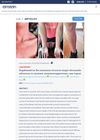
January 2019 in “Einstein (São Paulo)” Dupilumab improved severe atopic dermatitis in a patient who didn't respond to other treatments.
November 2025 in “SKIN The Journal of Cutaneous Medicine” Ritlecitinib is generally safe for adolescents with alopecia areata over 5 years.
2 citations
,
March 2020 in “JAAD case reports” A leukemia patient showed skin peeling similar to kwashiorkor, a severe protein deficiency.