March 2022 in “Oncology Times” Tebentafusp-tebn improves survival rates in uveal melanoma patients but has common side effects like rash and fatigue.
 August 2020 in “Ugeskrift for Læger”
 A man with severe hair loss regrew all his hair using tofacitinib and stayed healthy for a year.
January 2026 in “Clinics and Practice” Baricitinib helps alopecia areata and may improve psoriasis, but its effect on psoriatic arthritis is unclear.
 1 citations
,
July 2022 in “British Journal of Dermatology”
1 citations
,
July 2022 in “British Journal of Dermatology” Baricitinib was effective in treating hair loss in adults with alopecia areata according to patient feedback.
 September 2023 in “Journal of The American Academy of Dermatology”
 The document's conclusion cannot be provided because the content is not available.
 1 citations
,
March 2023 in “Skin”
1 citations
,
March 2023 in “Skin” Baricitinib helps patients with severe alopecia areata regrow hair.
November 2025 in “Journal of Investigative Dermatology” October 2025 in “Journal of Clinical Medicine” Patients with certain baseline characteristics are more likely to benefit early from baricitinib for alopecia areata.
 4 citations
,
January 1987 in “Journal of The American Academy of Dermatology”
4 citations
,
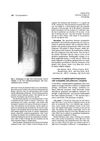
January 1987 in “Journal of The American Academy of Dermatology” A man with both skin lesions and lung cancer improved quickly with chemotherapy, suggesting the skin condition might be a reaction to immune system injury.
 1 citations
,
April 2018 in “Journal of Investigative Dermatology”
1 citations
,
April 2018 in “Journal of Investigative Dermatology” Tofacitinib helped most patients with alopecia areata regrow hair and changes in immune cells were linked to the treatment's effectiveness.
Baicalin may effectively treat hair loss by inhibiting 5α-reductase.
April 2026 in “Phytotherapy Research” Licorice component glycyrrhizic acid may reduce skin side effects from cancer treatment.
July 2024 in “Journal of Controlled Release” Nanostructured lipid carriers effectively deliver tofacitinib to hair follicles, reversing hair loss in alopecia areata.
 79 citations
,
September 2018 in “Dermatologic therapy”
79 citations
,
September 2018 in “Dermatologic therapy” Oral tofacitinib can significantly improve recalcitrant lichen planopilaris.
June 2026 in “Drugs & Therapy Perspectives” Baricitinib improves quality of life and reduces anxiety and depression in severe alopecia areata patients.
10 citations
,
August 2020 in “Acta histochemica” All-trans-retinoic acid stops mink hair growth by affecting cell growth and causing cell death.
 September 2019 in “Journal of Investigative Dermatology”
 Abrocitinib at 100 mg and 200 mg daily may significantly improve moderate-to-severe atopic dermatitis in patients 12 years and older.
3 citations
,
May 2025 in “Carbohydrate Polymers” The new microneedle patch effectively treats alopecia areata with fewer side effects than oral medication.
 November 2025 in “SKIN The Journal of Cutaneous Medicine”
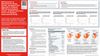
 Baricitinib significantly regrows hair in nasal, genital, and beard areas for severe alopecia areata.
4 citations
,
January 2020 in “PubMed” JAK inhibitors may become the first approved treatment for alopecia areata if they are proven safe and effective.
 August 2023 in “Journal of Dermatological Science”
 A specific RNA molecule blocks hair growth by affecting a protein related to hair loss conditions.
September 2024 in “Journal of the American Academy of Dermatology” Eyebrow and eyelash regrowth usually matches scalp hair response in alopecia areata patients treated with baricitinib.
 April 2016 in “Journal of the American Academy of Dermatology”
 Tofacitinib helped a person with total body hair loss grow hair again without bad side effects.
2 citations
,
April 2023 in “Polymers” The study created 3D-printed pills that effectively release a hair loss treatment drug over 24 hours.
June 2025 in “British Journal of Dermatology” JAK inhibitors help regrow hair in alopecia areata, but their long-term safety is still unclear.
 November 2025 in “Turkish Journal of Dermatology”
 Both baricitinib and tofacitinib effectively reduce alopecia areata severity, with tofacitinib showing more improvement over longer use.
10 citations
,
June 2022 in “Biomedicine & Pharmacotherapy” ARTS helps stop tumors by promoting cell death.
 August 2024 in “Journal of the American Academy of Dermatology”
 Baricitinib effectively promotes hair regrowth in both scalp and nonscalp areas for alopecia areata universalis patients.
 September 2023 in “Journal of The American Academy of Dermatology”
 Baricitinib shows promise in treating severe hair loss.
 November 2023 in “The journal of investigative dermatology/Journal of investigative dermatology”
 The study developed a mouse model for Alopecia Areata that responds to treatment, useful for future research.