 1 citations
,
April 2006 in “International Journal of Oncology”
1 citations
,
April 2006 in “International Journal of Oncology” Lysocellin helps stop cell damage from etoposide and may prevent hair loss.
 September 2023 in “Dermatology and therapy”
 Ritlecitinib effectively improves hair growth in alopecia areata patients, regardless of hair loss pattern.
July 2026 in “Journal of the American Academy of Dermatology” 49 citations
,
February 2022 in “Drug Design Development and Therapy” Ritlecitinib shows promise for hair regrowth in alopecia areata patients.
June 2026 in “DOAJ (DOAJ: Directory of Open Access Journals)” Upadacitinib effectively treated alopecia areata when other treatments failed.
 November 2024 in “SKIN The Journal of Cutaneous Medicine”
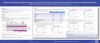
 Ritlecitinib effectively promotes hair regrowth in severe and very severe alopecia areata.
November 2024 in “SKIN The Journal of Cutaneous Medicine” Ritlecitinib effectively reduces severe hair loss in alopecia areata over 24 months.
13 citations
,
February 2025 in “Journal of the European Academy of Dermatology and Venereology” Ritlecitinib shows promise for treating alopecia areata, especially with early and extended treatment.
March 2023 in “SKIN The Journal of Cutaneous Medicine” Ritlecitinib helped most alopecia areata patients regrow hair by Week 48.
15 citations
,
January 2025 in “Journal of the European Academy of Dermatology and Venereology” Ritlecitinib is effective and safe for treating alopecia areata, promoting significant hair regrowth.
June 2026 in “Clinical Cosmetic and Investigational Dermatology” Upadacitinib effectively treated alopecia areata when other treatments failed.
2 citations
,
June 2025 in “Preprints.org” Targeting amphiregulin may improve treatment for fibrotic diseases and cancer.
3 citations
,
July 2025 in “Clinical and Experimental Dermatology” Ritlecitinib may be more effective for severe alopecia areata than conventional treatments.
12 citations
,
May 2010 in “Journal of Clinical Oncology” MK-5108 is safe and shows potential against tumors, especially alone.
June 2025 in “British Journal of Dermatology” Ruxolitinib helped a woman with a genetic mutation regrow her hair and improved her health.
1 citations
,
June 2026 in “Dermato” Ritlecitinib is effective for treating alopecia areata, showing significant hair regrowth with mild side effects.
1 citations
,
September 2023 in “Journal of the American Academy of Dermatology” Continued ritlecitinib treatment can lead to hair regrowth in some patients with alopecia areata who initially don't respond.
5 citations
,
February 2025 in “Pediatric Dermatology” Ritlecitinib was generally well tolerated in children with alopecia areata.
2 citations
,
September 2024 in “Expert Opinion on Drug Metabolism & Toxicology” Ritlecitinib is an effective new treatment for Alopecia Areata.
 October 2021 in “International journal of basic and clinical pharmacology”
 Excessive eyelash growth from erlotinib may indicate positive tumor response and help treat madarosis.
July 2026 in “Journal of the American Academy of Dermatology” Ritlecitinib helps adolescents with severe alopecia areata regrow scalp hair and normalize body hair and nails.
 June 2015 in “Reactions Weekly”
 A man developed alopecia areata after starting cancer treatment with vandetanib.
227 citations
,
April 2023 in “The Lancet” Ritlecitinib effectively treats alopecia areata and is well-tolerated.
 December 2025 in “International Journal of Innovative Technologies in Social Science”
 Ritlecitinib is generally safe for long-term use, with mostly mild side effects.
 April 2023 in “The journal of investigative dermatology/Journal of investigative dermatology”
 Ritlecitinib significantly improves scalp hair regrowth in alopecia areata patients over time.
 September 2024 in “Drugs & Therapy Perspectives”
 Ritlecitinib effectively regrows hair in severe alopecia areata and is well tolerated.
5 citations
,
January 2016 in “International Journal of Trichology” Erlotinib can cause hair loss and texture changes.
6 citations
,
March 2024 in “SKIN The Journal of Cutaneous Medicine” Ritlecitinib is effective for long-term treatment of severe alopecia areata.
 84 citations
,
August 2023 in “Drugs”
84 citations
,
August 2023 in “Drugs” Ritlecitinib is approved in the USA and Japan for treating severe hair loss in people aged 12 and older.
1 citations
,
August 2024 in “British Journal of Dermatology” Ritlecitinib effectively promotes hair regrowth in alopecia areata patients, even with extensive hair loss.