 6 citations
,
May 2023 in “Drugs”
6 citations
,
May 2023 in “Drugs” Baricitinib helps regrow hair in adults with severe alopecia better than a placebo and is approved for treatment, but long-term effects are still unknown.
1 citations
,
May 2024 in “Pediatric Blood & Cancer” Trametinib can effectively treat severe kaposiform lymphangiomatosis when other treatments fail.
7 citations
,
October 2024 in “Journal of the American Academy of Dermatology” Continued ritlecitinib treatment helps sustain hair regrowth in alopecia areata patients.
 5 citations
,
February 2024 in “Clinical Pharmacokinetics”
5 citations
,
February 2024 in “Clinical Pharmacokinetics” A 50 mg daily dose of ritlecitinib is effective for alopecia areata, with temporary treatment breaks up to 6 weeks not affecting results.
87 citations
,
March 2013 in “Expert Review of Anticancer Therapy” Afatinib often causes skin problems that need proactive management.
March 2026 in “SKIN The Journal of Cutaneous Medicine” Ritlecitinib is being tested for safety and effectiveness in young children with severe alopecia areata.
High CCL11 levels may indicate poor response to baricitinib in severe alopecia areata.
188 citations
,
October 2014 in “Thyroid” Dabrafenib was effective and well tolerated in treating thyroid cancer with a specific mutation.
15 citations
,
October 2014 in “The journal of investigative dermatology/Journal of investigative dermatology” Erlotinib causes skin inflammation through IL-1, which can be reduced by anakinra.
 December 2024 in “Clinical and Experimental Dermatology”
 Switching to ritlecitinib improves hair regrowth and well-being in severe alopecia areata patients.
6 citations
,
December 2018 in “Ophthalmic Plastic and Reconstructive Surgery” Afatinib can cause eyelash and eyebrow issues, leading to eye irritation and pain.
 1 citations
,
September 2022 in “Journal of The American Academy of Dermatology”
1 citations
,
September 2022 in “Journal of The American Academy of Dermatology” Baricitinib helps grow eyebrows and eyelashes in severe alopecia areata patients.
1 citations
,
October 2025 in “International Journal of Dermatology” Ritlecitinib improves emotional well-being and activity levels in alopecia areata patients.
1 citations
,
November 2025 in “Journal of the American Academy of Dermatology”  26 citations
,
August 2018 in “American Journal of Clinical Dermatology”
26 citations
,
August 2018 in “American Journal of Clinical Dermatology” Hair loss in cancer patients can be related to the cancer itself, treatment, or other conditions, and understanding it is important for diagnosis and patient care.
 7 citations
,
October 2019 in “Annals of palliative medicine”
7 citations
,
October 2019 in “Annals of palliative medicine” New targeted cancer drugs can cause skin side effects, and managing them requires patient education and timely care.
 1 citations
,
July 2020 in “Bezmialem science”
1 citations
,
July 2020 in “Bezmialem science” Reflexology massage helps hair regrowth in women after chemotherapy.
 1 citations
,
March 2019 in “Actas Dermo-Sifiliográficas”
1 citations
,
March 2019 in “Actas Dermo-Sifiliográficas” New cancer treatments are less harmful to hair but can still cause hair loss, color, shape, and growth changes.
 March 2026 in “Folia Histochemica et Cytobiologica”
 LTBP1 is a key regulator in diseases and a potential target for new treatments.
7 citations
,
January 2025 in “Journal of Experimental & Clinical Cancer Research” PRMT5 inhibitors effectively fight adenoid cystic carcinoma in salivary glands.
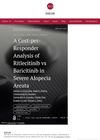 June 2026 in “Journal of health economics and outcomes research”
 Ritlecitinib is more effective and cost-efficient than baricitinib for severe alopecia areata.
2 citations
,
May 2025 in “Journal of the European Academy of Dermatology and Venereology” Ritlecitinib improves hair regrowth in alopecia areata over 24 months.
2 citations
,
June 2024 in “Dermatology” Ritlecitinib improves hair regrowth satisfaction in alopecia areata patients.
November 2025 in “Journal of Investigative Dermatology” Ritlecitinib effectively treats severe Alopecia Areata by reducing harmful immune activity in the skin.
 14 citations
,
January 2017 in “Pharmacological Reports”
14 citations
,
January 2017 in “Pharmacological Reports” TP0427736 may help treat hair loss by blocking a specific protein and promoting hair growth.
July 2026 in “Skin Appendage Disorders” Ritlecitinib effectively regrows hair in treatment-resistant alopecia areata with mild side effects.
September 2024 in “Annals of Medicine and Surgery” Ritlecitinib is the first FDA-approved pill for treating significant hair loss in alopecia areata patients aged 12 and up.
36 citations
,
December 2021 in “The journal of allergy and clinical immunology/Journal of allergy and clinical immunology/The journal of allergy and clinical immunology” Two drugs, ritlecitinib and brepocitinib, improved scalp hair loss condition markers.
Ritlecitinib can reduce inflammation and help hair regrow in Alopecia Areata.