30 citations
,
September 2024 in “Pharmaceuticals” Silk fibroin nanofibers may help heal diabetic wounds, but more research is needed.
16 citations
,
January 2023 in “Regenerative Biomaterials” The scaffold with polydopamine and bioactive glass effectively promotes bone regeneration.
12 citations
,
June 2023 in “International Journal of Molecular Sciences” Innovative biomaterials show promise in healing chronic diabetic foot ulcers.
 8 citations
,
May 2023 in “Gels”
8 citations
,
May 2023 in “Gels” Chitosan hydrogels are promising for repairing blood vessels but need improvements in strength and compatibility.
December 2025 in “International Journal of Pharmaceutics” PLGA-based microneedles show promise for painless, long-term drug delivery but need design and safety improvements.
 January 2024 in “Authorea (Authorea)”
 Nanomaterials can significantly improve wound healing and future treatments may include smart, real-time monitoring.
 2 citations
,
June 2023 in “Pharmaceutics”
2 citations
,
June 2023 in “Pharmaceutics” Nanofiber scaffolds help wounds heal by delivering drugs directly to the injury site.
24 citations
,
December 2023 in “Gels” 3D-printed hydrogels show promise in medicine but face challenges in resolution, cell viability, cost, and regulations.

Plant-based compounds can improve wound dressings and skin medication delivery.
54 citations
,
March 2024 in “Journal of Medicinal Chemistry” N-oxides are important in medicine for improving drug properties and targeting.
5 citations
,
November 2015 in “Journal of Enzyme Inhibition and Medicinal Chemistry” Certain derivatives are more effective 5α-reductase type 2 inhibitors than finasteride.
 5 citations
,
January 2005 in “Journal of Enzyme Inhibition and Medicinal Chemistry”
5 citations
,
January 2005 in “Journal of Enzyme Inhibition and Medicinal Chemistry” New steroids were effective in blocking male hormone receptors in hamster prostates.
 111 citations
,
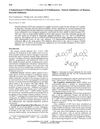
August 2002 in “Journal of Medicinal Chemistry”
111 citations
,
August 2002 in “Journal of Medicinal Chemistry” New compounds were made that block an enzyme linked to breast cancer better than existing treatments.
 7 citations
,
March 2013 in “Tetrahedron Letters”
7 citations
,
March 2013 in “Tetrahedron Letters” New method makes important drug ingredients more easily without needing extra purification steps.
January 2005 in “Вестник Оренбургского государственного университета” Minoxidil combined with ATRA boosts hair growth better than minoxidil alone.
1 citations
,
January 2023 in “Chemical Engineering Journal”  25 citations
,
May 2020 in “Progress in Organic Coatings”
25 citations
,
May 2020 in “Progress in Organic Coatings” Castor oil-based polyurethanes are promising for making safe, strong-performing, eco-friendly hair-styling products.
December 2020 in “Macromolecular Symposia” These polymers can improve hair texture and reduce water loss in hair cosmetics.
January 2026 in “SSRN Electronic Journal”  1 citations
,
January 2024 in “Scientific reports (Nature Publishing Group)”
1 citations
,
January 2024 in “Scientific reports (Nature Publishing Group)” Human hair was used to make biodegradable plastic films that could be useful for packaging and disposable products.
35 citations
,
October 2005 in “European journal of pharmaceutics and biopharmaceutics” Polymers increased skin permeation and stability of steroid hormones in liposomal formulations.
 15 citations
,
December 2015 in “Textile Research Journal”
15 citations
,
December 2015 in “Textile Research Journal” Adding amber particles to polyamide fibers makes them suitable for medical textiles like compression socks.
Polyglutamic acid is a valuable, sustainable ingredient for skincare and haircare products.
29 citations
,
September 2020 in “Polymers” The PCL/PHB blend allows for slower, more controlled curcumin release than individual polymers.
July 2025 in “Carbohydrate Polymers” The green alga Parachlorella sp. has potential for use in cosmetics and health products due to its antioxidant, anti-hypertensive, and hair growth properties.

A rigid compound with a common structural motif was successfully synthesized.
28 citations
,
January 2016 in “RSC Advances” A non-toxic formula using polycarboxylic acids strengthens and improves hair.
 2 citations
,
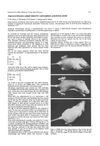
September 1980 in “Experientia”
2 citations
,
September 1980 in “Experientia” Polyethylene alanine caused hair loss in young lab animals but not in adults, with hair regrowth occurring within 20 days.
 15 citations
,
July 2002 in “Australasian Journal of Dermatology”
15 citations
,
July 2002 in “Australasian Journal of Dermatology” Two plywood factory workers developed contact dermatitis from phenol-formaldehyde resin, a known allergen.
31 citations
,
February 1972 in “Experientia” The diphosphonate was the most effective at preventing calcification in rats.