April 2012 in “J. Willard Marriott Library” Cannabinoids like THC and THCA get into hair through skin oils, not hair color.
1 citations
,
February 2005 in “OakTrust (Texas A&M University Libraries)” Diet B improved dogs' skin and hair condition.
 15 citations
,
January 2020 in “RSC advances”
15 citations
,
January 2020 in “RSC advances” The new palladium catalyst is effective and reusable for making pharmaceutical ingredients.
 January 2005 in “Seibutsu Butsuri/Seibutsu butsuri”
 Chemical treatments damage hair more than UV exposure, making it thinner and less flexible.
 3 citations
,
January 2009 in “Sen'i Gakkaishi”
3 citations
,
January 2009 in “Sen'i Gakkaishi” Using both TGA and DTDG in hair straightening reduces hair damage compared to using TGA alone.
 April 2026 in “Lithuanian University of Health Sciences”
 Cinnamic acid in hydrogels can effectively fight fungi but spreads less than in solution.
1 citations
,
December 1913 in “Biochemical Journal” Isocholesterol is a confirmed and recognized sterol.
51 citations
,
September 2012 in “Biomacromolecules” Disulfide bonds make keratin in hair stronger and tougher.
August 2013 in “日本医療薬学会年会講演要旨集” Hair contains complex lipids, including cholesterol and fatty acids, similar to skin.
 45 citations
,
August 2005 in “Bioorganic & medicinal chemistry”
45 citations
,
August 2005 in “Bioorganic & medicinal chemistry” New compounds with carborane showed anti-androgen effects similar to flutamide.
4 citations
,
January 1976 in “Archives of Dermatological Research” Metabolic disorders can cause hair structure defects and growth issues, but amino acid levels in hair remain normal.
January 2018 in “대한미용학회지” White hair is denser and more hydrophobic than black hair.
4 citations
,
July 2023 in “Analytical and Bioanalytical Chemistry”  November 2021 in “Pharmaceutical Sciences”
 New compounds were made and tested, with compound 6 showing potential for treating prostate-related diseases.
35 citations
,
December 2017 in “Journal of Experimental Botany” AtCSLD3 and GhCSLD3 genes enhance root growth and cell elongation in plants.
8 citations
,
October 2013 in “Chemistry Central Journal” Metabolite 7 is a strong inhibitor for Alzheimer's disease management.
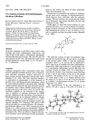 December 1998 in “Acta Crystallographica Section C-crystal Structure Communications”
 A new compound with strong antiandrogenic effects was found, potentially useful for treating conditions like acne and prostate cancer.
January 2026 in “International Journal of Biological Macromolecules” Keratin in people with androgenetic alopecia shows specific changes that could help develop new treatments.
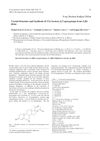 1 citations
,
January 2009 in “X-ray Structure Analysis Online”
1 citations
,
January 2009 in “X-ray Structure Analysis Online” A new compound was made that might help treat diseases related to male hormones.
 12 citations
,
January 2014 in “Cell structure and function”
12 citations
,
January 2014 in “Cell structure and function” Different combinations of human hair keratins affect how hair fibers form.
October 2024 in “UNESP Institutional Repository (São Paulo State University)” Straightening and dyeing damage hair structure.
35 citations
,
October 2005 in “European journal of pharmaceutics and biopharmaceutics” Polymers increased skin permeation and stability of steroid hormones in liposomal formulations.
 January 2014 in “Sen i Gakkaishi”
 Liposome-encapsulated thioglycolic acid improves hair perming effectiveness and durability.
258 citations
,
July 2005 in “Journal of lipid research” DGAT1 enzyme helps make diacylglycerols, waxes, and retinyl esters.
 January 2004 in “Analytical Sciences: X-ray Structure Analysis Online”
 The document explains how to make a compound called 3.BETA.-Benzoyloxy-4-pregnen-16.ALPHA.,17.ALPHA.-epoxy-6,20-dione and describes its crystal structure.
The research shows how certain drugs can form stable structures with polymers, which is important for making new pharmaceuticals.
14 citations
,
January 1977 in “PubMed” The hair keratin variant is mostly found in Caucasians.
 December 2024 in “Media Farmasi Jurnal Ilmu Farmasi”
 The optimized chia seed oil shampoo formula is stable and meets all required characteristics.
5 citations
,
January 1981 Keratin proteins in hair are complex and come from multiple gene families.
 5 citations
,
January 2005 in “Journal of Enzyme Inhibition and Medicinal Chemistry”
5 citations
,
January 2005 in “Journal of Enzyme Inhibition and Medicinal Chemistry” New steroids were effective in blocking male hormone receptors in hamster prostates.