Corticosteroids and topical irritants are used to treat alopecia areata.
4 citations
,
January 1989  19 citations
,
November 2011
19 citations
,
November 2011 Using systemic drugs as creams for skin conditions shows promise, but more research is needed to confirm their effectiveness and safety.
 25 citations
,
May 2009 in “International Journal of Dermatology”
25 citations
,
May 2009 in “International Journal of Dermatology” About one-third of dermatology patients in Ankara, Turkey use unconventional treatments for skin issues.
September 2023 in “Journal of the American Academy of Dermatology” Oral difelikefalin significantly reduces itch in notalgia paresthetica.

Higher doses of prednisone and triamcinolone acetonide successfully treated 8 out of 10 alopecia totalis patients.
1 citations
,
December 2017 in “Dermatology - Open Journal” Alopecia areata was successfully treated with contact immunotherapy, oral antihistamines, and topical corticosteroids.
 August 2021 in “Research Square (Research Square)”
 Borneol Essential Oil could be a natural and safe acne treatment.
 1 citations
,
May 2025 in “Natural Products and Bioprospecting”
1 citations
,
May 2025 in “Natural Products and Bioprospecting” PEVIII is a promising treatment for Pseudomonas aeruginosa keratitis.
1 citations
,
August 2024 in “Journal of Cosmetic and Laser Therapy” Intralesional vitamin D3 is an effective and safe treatment for patchy alopecia areata with fewer side effects.
December 2020 in “Forum Dermatologicum” Intralesional triamcinolone acetonide can effectively limit the progression of GLPLS.
 January 2025 in “International Journal of Veterinary Science”
 Hibiscus leaf ointment helps hair growth and reduces UV skin damage in rats.
 19 citations
,
January 2000 in “Biological and Pharmaceutical Bulletin”
19 citations
,
January 2000 in “Biological and Pharmaceutical Bulletin” Diclofenac salt delivery through skin varies based on the salt's counterions.
 5 citations
,
January 2018 in “PubMed”
5 citations
,
January 2018 in “PubMed” Biodegradable microneedle patches help topical steroids work better for prurigo nodularis.
1 citations
,
April 2021 in “Journal of Cosmetic Dermatology” The cream effectively reduced hair growth on forearms.
 1 citations
,
October 2025 in “Nano Research”
1 citations
,
October 2025 in “Nano Research” A new microneedle patch effectively treats atopic dermatitis by reducing skin stress and restoring immune balance.
 May 2017 in “IOSR journal of dental and medical sciences”
 Both Betasalic ointment and 5% minoxidil are effective and safe for treating Alopecia Areata.
 22 citations
,
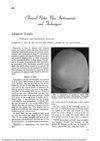
March 1963 in “Archives of dermatology”
22 citations
,
March 1963 in “Archives of dermatology” A woman regrew her hair significantly using a corticosteroid cream with a plastic cover.
 6 citations
,
July 2008 in “Clinical and experimental optometry”
6 citations
,
July 2008 in “Clinical and experimental optometry” Prostaglandin eye drops for glaucoma can rarely cause too much cheek hair growth.
 November 2025 in “The Journal of Medical Sciences”
 Intralesional triamcinolone is more effective than cryotherapy for treating alopecia areata in middle-aged adults.
 July 2024 in “International Journal of Medical Arts”
 Latanoprost is more effective than minoxidil for treating alopecia areata.
 10 citations
,
October 1993 in “Archives of dermatological research”
10 citations
,
October 1993 in “Archives of dermatological research” Vitamin D compounds may help treat psoriasis by promoting skin cell differentiation.
 August 2024 in “Indian Journal of Animal Research”
 Clove oil effectively treats cattle dermatophytosis in 7 days.
 May 2026 in “Zenodo (CERN European Organization for Nuclear Research)”
 The serum with microneedling effectively treats alopecia areata by enhancing drug delivery and is safe and patient-friendly.
June 2017 in “Journal of the American Academy of Dermatology” The new cream is safe and effective for mild to moderate atopic dermatitis.
 January 2024 in “Middle East Journal of Applied Science & Technology”
 The herbal body lotion is a good natural alternative to synthetic skincare, providing smoothness and hydration without irritation.
52 citations
,
April 2023 in “The Ocular Surface”  13 citations
,
March 2023 in “Cureus”
13 citations
,
March 2023 in “Cureus” Transgender individuals face insurance barriers to gender-affirming surgery, needing policy reforms for better access.
 13 citations
,
January 2014 in “Aesthetic Surgery Journal”
13 citations
,
January 2014 in “Aesthetic Surgery Journal” Cyperus rotundus oil effectively reduces unwanted hair without side effects.
 5 citations
,
June 2024 in “Cureus”
5 citations
,
June 2024 in “Cureus” PCOS is linked to changes in vaginal bacteria, with fewer good bacteria and more harmful ones.