 December 2023 in “Frontiers in endocrinology”
 Excess androgens may cause PCOS, not just be a symptom.
 December 2023 in “Frontiers in pharmacology”
 Progesterone initially worsens but later reduces neuropathic pain in mice, through different mechanisms.
 December 2020 in “Current Sexual Health Reports”
 Finasteride can have lasting negative effects on brain function and behavior by disrupting neurosteroid production.
 December 2016 in “University of Birmingham Institutional Research Archive (University of Birmingham)”
 Steroid-producing capabilities in certain cancers may contribute to treatment resistance.
 November 2020 in “Psychoneuroendocrinology”
 Finasteride might affect memory by impacting cholinergic system.
 January 2020 in “Archives of urology”
 Finasteride, a drug used for certain conditions, can cause serious side effects like sexual dysfunction, suicidal thoughts, and increased diabetes risk, and there's a need for more awareness and research about these effects.
 2 citations
,
March 2023 in “Experimental neurology”
2 citations
,
March 2023 in “Experimental neurology” Pregnenolone might help manage movement issues caused by Parkinson's disease treatment without reducing the medicine's effectiveness.
1 citations
,
April 2013 in “The FASEB Journal” 3α‐OH‐DHP is essential for reducing nerve activity related to blood pressure control during pregnancy.
 November 2006 in “Reactions Weekly”
 A woman's hair grew back after she stopped taking the Parkinson's disease medication pramipexole.
 2 citations
,
January 1966 in “American Journal of Obstetrics and Gynecology”
2 citations
,
January 1966 in “American Journal of Obstetrics and Gynecology” More research is needed to find a cure for hair loss after pregnancy.
 5 citations
,
December 2019 in “JAAD Case Reports”
5 citations
,
December 2019 in “JAAD Case Reports” A woman experienced rapid hair loss after taking albendazole, but it started to improve when she stopped the medication.
 5 citations
,
March 2012 in “Clinical and Experimental Dermatology”
5 citations
,
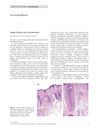
March 2012 in “Clinical and Experimental Dermatology” A woman experienced temporary hair loss after taking albendazole, which resolved on its own within 3 months.
3 citations
,
April 2024 in “JAAD Case Reports” DPCP may be safe for treating alopecia during pregnancy, but more research is needed.
2 citations
,
February 2001 in “Annals of Pharmacotherapy” No specific treatment for postpartum hair loss is proven effective.
9 citations
,
April 2018 in “Biology of reproduction” Diet changes hormone levels in pregnant ewes by affecting metabolism, not placental synthesis.
 12 citations
,
February 2001 in “Annals of Pharmacotherapy”
12 citations
,
February 2001 in “Annals of Pharmacotherapy” No effective treatment for hair loss after childbirth was found, but it usually gets better on its own and some cosmetic methods might help.
84 citations
,
August 1991 in “British Journal of Dermatology” Most children treated with diphencyprone regrew some or all of their hair.
12 citations
,
December 2009 in “Neuroscience” GABAergic steroid precursors reduce ethanol withdrawal symptoms in certain mice.
 3 citations
,
June 2018 in “International Journal of Clinical Pharmacy”
3 citations
,
June 2018 in “International Journal of Clinical Pharmacy” Baby born healthy despite mom taking finasteride, but more research needed.
 May 1981 in “Inpharma (Balgowlah)”
 Medroxyprogesterone acetate improved sleep apnea symptoms in some obese patients.
1 citations
,
December 1971 in “PubMed” 7 citations
,
April 2013 in “Animal Production Science” Altering maternal cortisol during pregnancy can improve wool growth in Merino sheep.
 20 citations
,
January 2003 in “Chemical and Pharmaceutical Bulletin”
20 citations
,
January 2003 in “Chemical and Pharmaceutical Bulletin” The new progesterone derivatives effectively inhibit 5α-reductase and bind to the androgen receptor.
21 citations
,
October 2007 in “Australasian Journal of Dermatology” A woman with hair loss regrew white hair after taking prednisolone.
 6 citations
,
September 1990 in “International Journal of Gynecology & Obstetrics”
6 citations
,
September 1990 in “International Journal of Gynecology & Obstetrics” The skin condition PUPP usually gets better on its own after giving birth and is unlikely to happen again in future pregnancies.
February 1978 in “PubMed” Some birth control pills can cause temporary or more serious hair loss.
 4 citations
,
August 2021 in “Theriogenology”
4 citations
,
August 2021 in “Theriogenology” Neurosteroids play a key role in controlling the brain-adrenal gland activity in pregnant sheep, both in normal and stressful situations.
25 citations
,
July 2006 in “Journal of Neurochemistry” Progesterone affects GABAA receptor function by altering δ subunit levels.
July 2026 in “Journal of the American Academy of Dermatology” November 2014 in “Clinical Neurophysiology” High doses of progesterone can reduce seizures in mice.