Search
for
Sort by
Research
660-690 / 1000+ resultsresearch Quality of Life in Polycystic Ovary Syndrome after Anti-Androgen Therapy Using PCOSQOL-47 and PCOSQOL-42
Combined finasteride and spironolactone therapy significantly improves quality of life in women with PCOS.
research Dutasteride for Androgenetic Alopecia—Words of Caution
Dutasteride's effect on hair loss treatment is uncertain and should be used cautiously.

research Impact of dutasteride on spermatogenesis and oxidative status in rats.
Dutasteride did not change rat spermatogenesis or oxidative stress but needs more research.
research PSA concentration change in men taking low dose finasteride and dutasteride for male androgenetic alopecia
research Randomized comparison of topical betamethasone valerate foam, intralesional triamcinolone acetonide and tacrolimus ointment in management of localized alopecia areata
Intralesional triamcinolone acetonide is the most effective treatment for localized alopecia areata.
research Patient‐reported outcomes of topical finasteride/minoxidil treatment for male androgenetic alopecia: A retrospective study using telemedical data
Topical finasteride/minoxidil is effective but not better than oral finasteride for hair loss.
research Topical calcipotriol vs narrowband ultraviolet B in treatment of alopecia areata: a randomized-controlled trial
Both topical calcipotriol and narrowband UVB improved alopecia, but combining them didn't enhance the effect on hair loss severity, despite higher vitamin D3 levels.
research Aseptic and Alopecic Nodule of the Scalp in a Young Female With Alopecia Areata
Intralesional steroids effectively treated a young female's scalp nodules without recurrence.
research 203 Rebalance of the scalp microbiota by a multifunctional ingredient
Dutasteride improved hair density and thickness in men not helped by finasteride, with minimal side effects.
research The Dutasteride: Miraculous Drug in Alopecia Treatment A Review
Dutasteride effectively treats hair loss and prostate issues.
research Discoid lupus erythematosus presenting with cysts, comedones, and cicatricial alopecia on the scalp
The patient's scalp lesions stabilized with a combination of treatments after initial therapies failed.
research Dermatological drugs, topical agents, and cosmetics
The document concluded that various dermatological treatments have different effectiveness and side effects, with some causing irritation, allergic reactions, or systemic effects.

research Androgenic Alopecia in a Patient with Systemic Lupus Erythematosus
A new minoxidil regimen improved hair loss in a lupus patient.
research Quality of life and patient-reported side effects of low-dose oral minoxidil in treating female pattern hair loss
Low-dose oral minoxidil improves hair loss and quality of life for women, despite mild unwanted hair growth.
research Generic vs. Disease-Specific Patient Reported Outcome (PRO) Instruments for Assessing HRQoL Burden Among Patients Diagnosed with Alopecia Areata: Evidence from TARGET-DERM AA
Disease-specific tools better assess quality of life in alopecia areata patients.
research The efficacy and safety of dutasteride compared with finasteride in treating men with androgenetic alopecia: a systematic review and meta-analysis
Dutasteride is more effective than finasteride for hair growth in men, with similar safety.
research Evaluation of bioequivalence of five 0.1 mg dutasteride capsules compared to one 0.5 mg dutasteride capsule: a randomized study in healthy male volunteers
Taking five small dutasteride capsules is the same as taking one larger capsule.
research Self-Assessment examination of the American Academy of Dermatology
research Assessment of Thyroid Dysfunction and Cortisol Levels in Patients with Alopecia Areata
Alopecia areata patients may have higher T3 and cortisol levels, suggesting a hormonal link.
research Three-microneedle device as an effective option for intralesional corticosteroid administration for the treatment of alopecia areata
research Low‐dose oral minoxidil improves global hair density and length in children with loose anagen hair syndrome
Low-dose oral minoxidil increases hair thickness and length in children with a hair disorder called Loose Anagen Hair Syndrome.
research Assessment of Alopecia Areata Disease Severity in Pediatric Patients
New tools help doctors better assess and treat alopecia areata in kids by considering more than just hair loss.
research A new self‐reported measure of disease severity of scalp hair loss in alopecia areata
The new measure helps understand the personal and emotional impact of hair loss in alopecia areata patients.
research Comparison of High-Dose Corticosteroid Pulse Therapy and Combination Therapy Using Oral Cyclosporine with Low-Dose Corticosteroid in Severe Alopecia Areata
Corticosteroid pulse therapy is more effective for severe alopecia areata than combination therapy.
research Identification of novel step‐up regimen of intralesional triamcinolone acetonide in scalp alopecia areata based on a double‐blind randomized controlled trial
Start with 2.5 mg/mL triamcinolone acetonide for scalp alopecia areata and increase if needed.
research PERICARDIAL EFFUSIONS ASSOCIATED WITH MINOXIDIL
research Alpha-blockers/finasteride: no benefit in ED
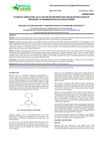
research STABILITY INDICATING AN LC-ESI-MS/MS METHOD FOR THE QUANTIFICATION OF MINOXIDIL IN PHARMACEUTICAL DOSAGE FORMS
The method accurately measures Minoxidil in drugs and is reliable for routine use.
research PSS21 GAP ANALYSIS FOR PATIENT-REPORTED OUTCOMES MEASURES FOR ALOPECIA
No current patient-reported outcome measure fully meets FDA requirements for alopecia treatments.