2 citations
,
October 2025 in “Chinese Medicine” Berberine delivery systems improve wound healing by enhancing bioavailability, reducing inflammation, and promoting tissue regeneration.
2 citations
,
February 2024 in “Pharmaceutics” Chitosan scaffolds with silver nanoparticles effectively treat infected wounds and promote faster healing.
 2 citations
,
June 2023 in “Pharmaceutics”
2 citations
,
June 2023 in “Pharmaceutics” Nanofiber scaffolds help wounds heal by delivering drugs directly to the injury site.
 2 citations
,
May 2023 in “Frontiers in Bioengineering and Biotechnology”
2 citations
,
May 2023 in “Frontiers in Bioengineering and Biotechnology” The document concludes that more research is needed on making and understanding biomaterial scaffolds for wound healing.
2 citations
,
November 2024 in “ACS Omega” Snail secretion-loaded dressings can improve skin regeneration and wound healing.
 2 citations
,
January 2023 in “Pharmaceuticals”
2 citations
,
January 2023 in “Pharmaceuticals” Natural products and phytochemicals may help with hair regrowth, but more research is needed.
1 citations
,
December 2025 in “International Journal of Molecular Sciences” Chitosan-based nanocomposites, especially with polyphenols, show promise for treating chronic wounds.
1 citations
,
July 2025 in “Cosmetics” Plant extracts could be effective natural skincare ingredients.
 1 citations
,
January 2024 in “Cellular & Molecular Biology Letters”
1 citations
,
January 2024 in “Cellular & Molecular Biology Letters” Adipose-derived stem cells help heal burns but need more research.
 1 citations
,
March 2023 in “Phytochemistry Reviews”
1 citations
,
March 2023 in “Phytochemistry Reviews” CBD may improve skin and hair health, but its effective use and safety need more research.
 May 2026 in “Medical Sciences”
 Vesicle-based therapies from stem cells and plants improve burn healing and could be safe, scalable alternatives to cell transplants.
Plant-derived exosomes show promise for healing skin wounds but need more research and trials.
 March 2026 in “Pharmaceutics”
 Plant-derived nanovesicles show promise in cancer treatment but need standardized preparation.
February 2026 in “Molecular and Cellular Probes” Stem cell and plant exosomes may help heal and regenerate skin.
October 2025 in “Phytomedicine” Bazi Bushen capsules reduce skin aging and damage from UV rays.
 August 2025 in “Frontiers in Pharmacology”
 Periplaneta americana extract helps hair regrowth by reducing inflammation and improving skin bacteria balance.
 January 2025 in “Burns & Trauma”
 Titanium dioxide nanoparticles can help heal wounds faster and better.
Combining medications with scalp care and lifestyle changes boosts hair growth and reduces medication side effects.
February 2024 in “Cosmetics” The conclusion is that new plant-based treatments for hair loss may work by targeting certain enzymes.

Plant-based compounds can improve wound dressings and skin medication delivery.
November 2022 in “IntechOpen eBooks” Nanotechnology can improve wound healing by enhancing treatments and dressings.
 April 2026 in “Nanomaterials”
 Plant-derived vesicles from Ayurvedic plants may improve treatment delivery for hair growth and other conditions.
November 2025 in “Plant Science Today” Natural anti-aging products from plants may help improve skin health.
 May 2025 in “Antioxidants”
 Natural products show promise for treating diseases but need more research to understand and use them effectively.
 January 2025 in “International Journal of Research and Innovation in Applied Science”
 Dry shampoo is a convenient, eco-friendly option that cleans and nourishes hair without water.
 August 2024 in “Cosmetics”
 Caffeine is beneficial for skin and hair treatments but needs better delivery methods to penetrate deeper skin layers.
August 2024 in “Bioorganic Chemistry” Cedrol from ginger can promote hair growth when taken orally.
54 citations
,
January 1973 in “International Journal of Dermatology” Aloe helps heal leg ulcers and skin disorders.
 28 citations
,
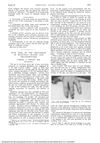
April 1936 in “Journal of the American Medical Association”
28 citations
,
April 1936 in “Journal of the American Medical Association” Aloe vera healed severe skin damage and restored normal skin in five weeks.