 April 2024 in “Frontiers in pharmacology”
 Brepocitinib 30mg is most effective for moderate-to-severe alopecia areata, but ritlecitinib 50mg may offer a better balance of safety and effectiveness.
October 2024 in “Journal of Pakistan Association of Dermatologists” PRP is more effective than finasteride for hair growth with fewer side effects.
2 citations
,
July 2019 in “International Journal of Neuroscience and Behavioral Science” Thevetia peruviana bark extract reduces pain in mice and may help create new painkillers.
 9 citations
,
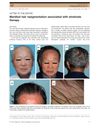
July 2016 in “The Journal of Dermatology”
9 citations
,
July 2016 in “The Journal of Dermatology” An 82-year-old man's white hair regained color after taking etretinate for psoriasis.
 September 2018 in “한국자원식물학회지”
 Oregonin from alder tree branches may help control hair cell death, potentially aiding hair growth and treating hair loss.
 4 citations
,
April 2024 in “Cellular and Molecular Biology”
4 citations
,
April 2024 in “Cellular and Molecular Biology” Injectable platelet-rich fibrin is better than platelet-rich plasma for promoting hair growth.
December 2022 in “Journal of Clinical Medicine” The new PRP treatment significantly improves hair growth.
March 2023 in “SKIN The Journal of Cutaneous Medicine” Ritlecitinib helped most alopecia areata patients regrow hair by Week 48.
49 citations
,
February 2022 in “Drug Design Development and Therapy” Ritlecitinib shows promise for hair regrowth in alopecia areata patients.
November 2023 in “SKIN The Journal of Cutaneous Medicine” Ritlecitinib effectively maintains hair regrowth in alopecia areata patients.
69 citations
,
December 2015 in “BMC plant biology” Three genes in Arabidopsis are important for plant growth and development by affecting sugar attachment to proteins.
34 citations
,
June 2022 in “Viruses” Certain plant compounds can help prevent and treat a virus in pigs.
December 2022 in “Plastic and Reconstructive Surgery” PRPF is a safer and more effective treatment for hair loss than PRP.
February 2026 in “Indian Dermatology Online Journal” Tofacitinib significantly improved skin and hair conditions without side effects.
44 citations
,
May 2008 in “Plant journal” D'orenone stops root hair growth by disrupting auxin transport, but adding auxin can reverse this.
 January 2025 in “American Journal of Translational Research”
 Erianin may effectively treat alopecia areata by targeting the immune system.
February 2025 in “Skin Appendage Disorders” Upadacitinib helps most people with alopecia regrow hair quickly and is generally safe.
 1 citations
,
July 2017 in “International Journal of Advanced Research”
1 citations
,
July 2017 in “International Journal of Advanced Research” Tridax procumbens L. has compounds that can fight fungi.
July 2026 in “Journal of Medicinal Chemistry” A new drug strategy improves hair loss treatment with better results and safety.
4 citations
,
July 1987 in “Dermatologic Clinics”  April 2017 in “The journal of investigative dermatology/Journal of investigative dermatology”
 CD101 is highly effective in treating dermatophytosis in guinea pigs.
 1 citations
,
November 2023 in “Indian Journal of Science and Technology”
1 citations
,
November 2023 in “Indian Journal of Science and Technology” Eclipta alba may improve memory and help treat Alzheimer's disease.
 2 citations
,
August 2025 in “Scientific Reports”
2 citations
,
August 2025 in “Scientific Reports” Pexidartinib often causes liver issues and fatigue, especially in women.
 January 2022 in “Revista del Centro Dermatológico Pascua”
 PRP therapy is a promising treatment for male hair loss on the vertex.
 79 citations
,
March 1999 in “The journal of investigative dermatology/Journal of investigative dermatology”
79 citations
,
March 1999 in “The journal of investigative dermatology/Journal of investigative dermatology” Procyanidin compounds from grape seeds were found to significantly increase mouse hair growth.
1 citations
,
January 2025 in “CPT Pharmacometrics & Systems Pharmacology” Ritlecitinib effectively regrows eyebrow and eyelash hair in alopecia areata, with 50 mg being the best dose.
17 citations
,
October 2024 in “Journal of the American Academy of Dermatology” Brepocitinib effectively reduces inflammation and improves symptoms in cicatricial alopecia with good safety.
 January 2025 in “International Journal of Trichology”
 Combining DPCP with PRP doesn't improve hair regrowth in alopecia areata.
 5 citations
,
June 2019 in “British Journal of Dermatology”
5 citations
,
June 2019 in “British Journal of Dermatology” Tofacitinib was more effective than apremilast in treating hair loss in a mouse model of alopecia areata.
 April 2023 in “The journal of investigative dermatology/Journal of investigative dermatology”
 Activating mitophagy may help manage a key immune response involved in the hair loss condition alopecia areata.