49 citations
,
January 1991 in “Food and chemical toxicology” Different zinc compounds cause varying levels of skin irritation in animals.
 July 2024 in “Current Pharmaceutical Design”
 Biodegradable polymers help wounds heal faster.
 37 citations
,
October 2006 in “Steroids”
37 citations
,
October 2006 in “Steroids” New sulfur-containing steroid analogs show promise for more targeted medical treatments.
October 2018 in “Focus on surfactants”  May 2026 in “Scientific and Technical Bulletin оf State Scientific Research Control Institute of Veterinary Medical Products and Fodder Additives аnd Institute of Animal Biology”
 Zinc carbonate nanoparticles are not irritating or absorbed by the skin.
Chemical treatments weaken hair's thermal stability and structure.
5 citations
,
January 2000 in “Inhalation Toxicology” Aqueous dispersion resin is safe to inhale at levels below 30 mg/m³.
 6 citations
,
March 1998 in “Textile Research Journal”
6 citations
,
March 1998 in “Textile Research Journal” Chemical treatments can change the scale heights of wool and cashmere fibers, affecting their identification.
1 citations
,
June 1999 in “American Journal of Contact Dermatitis” Shampoos should treat scalp issues while keeping hair soft and shiny.
 April 2026 in “Colloids and Surfaces B Biointerfaces”
 The nanofibers made from α-lactalbumin and soy protein improve wound healing.
 April 2020 in “Food Research”
 The document discusses various topics including the use of plant derivatives for hair loss, potential food additives, antioxidant properties of different extracts, and the study of bacteria on stainless steel surfaces.
 20 citations
,
March 2020 in “International Journal of Biological Macromolecules”
20 citations
,
March 2020 in “International Journal of Biological Macromolecules” Lower acetylation makes chitin nanofibers thinner and more suitable for various uses.
 8 citations
,
January 2009 in “Transactions of the Materials Research Society of Japan”
8 citations
,
January 2009 in “Transactions of the Materials Research Society of Japan” Water-soluble wool keratin can protect human hair from damage during treatments.
 45 citations
,
March 2020 in “ACS Applied Materials & Interfaces”
45 citations
,
March 2020 in “ACS Applied Materials & Interfaces” The new biomaterial inspired by ancient Chinese medicine effectively promotes hair growth and heals wounds in burned skin.
 5 citations
,
March 2019 in “Journal of lipid research”
5 citations
,
March 2019 in “Journal of lipid research” New probes were created to effectively measure specific enzymes involved in fat metabolism, which could help develop new drugs.
 57 citations
,
March 2024 in “Nano-Micro Letters”
57 citations
,
March 2024 in “Nano-Micro Letters” The nanoplatform helps heal wounds by balancing bacteria-killing and inflammation-reducing functions.
4 citations
,
June 2022 in “Journal of cleaner production” New eco-friendly method strengthens and sets hair using light and causes less damage.
 January 2016 in “Journal of Materials Chemistry B”
 Advancements in biomaterials and nanotechnology are improving medical applications like hair growth, bone regeneration, and cancer treatment.
12 citations
,
January 2011 in “Journal of the Saudi Society of Dermatology & Dermatologic Surgery” Thallium poisoning from contaminated cake caused severe health issues in Baghdad, highlighting the need to ban thallium as a rodenticide.
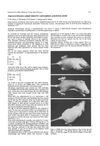 2 citations
,
September 1980 in “Experientia”
2 citations
,
September 1980 in “Experientia” Polyethylene alanine caused hair loss in young lab animals but not in adults, with hair regrowth occurring within 20 days.
5 citations
,
July 2022 in “PubMed” Hair dyes, shampoos, and conditioners often cause scalp allergies due to common allergens like p-phenylenediamine and nickel.
5 citations
,
October 2007 in “PubMed” Amino acids in conditioners improve hair strength, hydration, and color retention.
Niosomes improve aminexil's effectiveness in preventing hair loss without needing propylene glycol.
 3 citations
,
January 1989 in “Journal of Japan Oil Chemists Society”
3 citations
,
January 1989 in “Journal of Japan Oil Chemists Society” AMT is the best surfactant for hair and scalp care.
 1 citations
,
June 2025 in “Journal of Materials Science Materials in Medicine”
1 citations
,
June 2025 in “Journal of Materials Science Materials in Medicine” AgVO₃-HAp/GO@PCL scaffolds improve wound healing and tissue regeneration effectively.
May 2025 in “OPAL (Open@LaTrobe) (La Trobe University)” Linoleic acid and magnesium are key in alopecia areata progression, and tofacitinib can help by affecting their pathway.
 3 citations
,
August 2021 in “Journal of fiber science and technology”
3 citations
,
August 2021 in “Journal of fiber science and technology” Chitin nanofibrils are better at stabilizing oil droplets in emulsions than cellulose nanofibrils.
 4 citations
,
November 2017 in “Journal of Cosmetic Dermatology”
4 citations
,
November 2017 in “Journal of Cosmetic Dermatology” Certain polymers can stick to hair and increase volume, working best at a pH of 7 to 9.
13 citations
,
March 2010 in “International Journal of Cosmetic Science” Hair coloring increases copper and calcium uptake, damaging hair and reducing shine.
28 citations
,
May 2023 in “Current Opinion in Colloid & Interface Science”