 December 2017 in “Springer eBooks”
 Transplant patients often get skin problems, with treatments varying by condition.
 October 2017 in “Iranian Journal of Dermatology”
 Clinical exams are good for diagnosing some women's hair loss, but lab tests aren't always needed.
 July 2017 in “Clin-Alert”
 Different medications can cause serious side effects in some people.
 June 2017 in “Journal of clinical and investigative dermatology”
 Red blood cell folate levels are reliable indicators of long-term folate status in alopecia areata patients.
 May 2017 in “American Society of Health-System Pharmacists eBooks”
  December 2016 in “Springer eBooks”
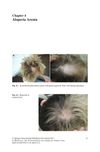
 A 45-year-old woman with autoimmune diseases experienced patchy hair loss due to alopecia areata, which has no cure but can be treated, with varying success.
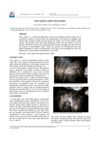
An adult Libyan woman was successfully treated for a rare scalp infection usually seen in children.
 April 2016 in “Medical Acupuncture”
 The document concludes that hair loss in women is treated with medications, therapies, and surgery in Western medicine, and with acupuncture and herbs in Chinese medicine, but hereditary hair loss is hard to reverse.
 January 2015 in “Our Dermatology Online”
 Intralesional triamcinolone is the most effective treatment for hair regrowth in alopecia areata patients.
 January 2015 in “Hair therapy & transplantation”
 New hair and scalp disease diagnosis methods are important for correct treatment.
 January 2015 in “Springer eBooks”
 Chronic kidney disease can cause hair loss, which may be related to zinc deficiency or certain medications, and sometimes hair grows back when the underlying issue is treated.
 October 2014 in “Archives of disease in childhood”
 Childhood cancer diagnosis leads to long-term physical and emotional health issues in parents.
 September 2014 in “Springer eBooks”
 The document concludes that breast pain should be managed with personalized treatment, starting with non-drug methods and progressing to medication if necessary, while considering side effects and patient needs.
 April 2013 in “Journal of the American Academy of Dermatology”
 Diabetic patients often have ingrown nails due to obesity, high blood pressure, past injuries, bad nail trimming, nail fungus, weak foot pulse, and weak knee reflex.
 February 2013 in “Journal of The American Academy of Dermatology”
 A boy with a rare birthmark called verrucous hemangioma needed careful timing for surgery due to its size and depth.
 February 2013 in “Journal of The American Academy of Dermatology”
 Oral propranolol successfully treated a baby's skin growth and ulceration linked to PELVIS syndrome.
 February 2013 in “Journal of The American Academy of Dermatology”
 Using hair loss drugs finasteride and dutasteride may cause sexual side effects.
 January 2013 in “The Pan African medical journal”
 Monilethrix causes short, fragile hair with no specific treatment available.
About 19% of foxes and 18% of jackals in southwest Iran have at least one type of ectoparasite, mainly fleas.
 April 2012 in “Journal of the American Academy of Dermatology”
 People with androgenetic alopecia may have a higher risk of heart problems compared to those with alopecia areata or healthy individuals.
 January 2012 in “Yearbook of Dermatology and Dermatologic Surgery”
 Alopecia areata is a hair loss condition that often starts before age 30 and can affect various body parts, with unpredictable hair regrowth chances.
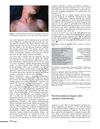
A boy on a ketogenic diet and anti-epileptic drugs developed skin issues due to stopping vitamin supplements, which improved with proper supplementation.
 August 2010 in “Journal of The American Academy of Dermatology”
 The document explains the diagnosis and characteristics of woolly hair nevus and alopecia neoplastica.
 January 2010 in “Elsevier eBooks”
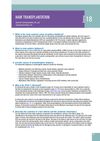
 Hair transplantation is a treatment for hair loss mainly caused by genetics, with various techniques and potential complications, and results visible after 8-12 months.

Oral iron therapy may help reduce hair loss in iron-deficient women.
 January 2007 in “Elsevier eBooks”
 Alopecia areata is a reversible, autoimmune-related hair loss that can have significant emotional impact and uncertain treatment effectiveness.
 April 1998 in “Journal of women's health”
 Hair loss in women is often due to hereditary conditions or stress, and while treatments like minoxidil can help, diagnosis and management require medical guidance.
 January 1991 in “Journal of Pediatric Health Care”
 Hair loss in children can be caused by fungal infections, trauma, autoimmune disorders, or stress, and treatments vary depending on the cause.
 August 1946 in “Journal of the American Medical Association”
 Companies agreed to stop false advertising about their products' health benefits.