July 2022 in “International Journal of Contemporary Medicine” Lower Paraoxonase 1 levels in alopecia areata patients suggest antioxidant treatment might help.
 31 citations
,
May 2021 in “Journal of endocrinological investigation”
31 citations
,
May 2021 in “Journal of endocrinological investigation” APS-1 in Italy shows diverse AIRE mutations and various autoimmune issues.
28 citations
,
June 1998 in “Clinical Genetics” Ambras syndrome's genetic cause is unknown, as it isn't linked to androgen levels.
 20 citations
,
February 2022 in “British Journal of Dermatology”
20 citations
,
February 2022 in “British Journal of Dermatology” People with alopecia areata have a higher risk of depression and anxiety, and often face unemployment and work absences.
January 2026 in “JEADV Clinical Practice” The patchy alopecia in the altarpiece likely symbolizes the soldier's negative traits.
 January 2025 in “SKIN The Journal of Cutaneous Medicine”
 People with alopecia areata face different healthcare access and experiences based on their race and ethnicity.
23 citations
,
June 1977 in “Clinical and experimental dermatology” Pityriasis amiantacea is likely linked to eczema-related skin changes.
161 citations
,
March 1992 in “International Journal of Dermatology” Alopecia areata often starts before age 20, is more common in women, and may have a genetic link with other autoimmune diseases.
 6 citations
,
May 2015 in “Clinics in Dermatology”
6 citations
,
May 2015 in “Clinics in Dermatology” Acne and other skin conditions can indicate internal diseases like Polycystic Ovary Syndrome (PCOS), and early treatment can prevent long-term issues.
Androgenetic alopecia is more common in male Chinese adolescents and linked to rosacea, but doesn't affect quality of life.
275 citations
,
November 2002 in “International Journal of Dermatology” Alopecia areata mainly affects young people and has significant psychological impacts, especially in males.
32 citations
,
August 2016 in “Science Signaling” Alopecia areata patients show unique protein activity patterns, suggesting imbalanced signaling pathways.
10 citations
,
January 2016 in “ACG Case Reports Journal” Long-term Cape Aloe use causes harmless colon pigmentation that can help detect polyps.
July 2025 in “BMC Public Health” Alopecia areata patients need better education to improve their disease management.
 2 citations
,
March 2023 in “3C Empresa Investigación y pensamiento crítico”
2 citations
,
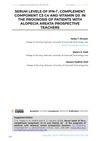
March 2023 in “3C Empresa Investigación y pensamiento crítico” Alopecia areata patients have higher IFN-γ and low vitamin D3 levels.
 28 citations
,
April 2013 in “Fertility and Sterility”
28 citations
,
April 2013 in “Fertility and Sterility” Caucasian and Asian women with PCOS generally show similar symptoms, except Asian women have less chest hair.
1 citations
,
April 2024 in “Journal of Clinical Medicine” Alopecia areata patients have eye issues and need regular eye exams.
1 citations
,
April 2024 in “JAAD International” Adults with alopecia areata stick to their medication better than those with atopic dermatitis.
56 citations
,
March 2017 in “Journal of the American Academy of Dermatology” Alopecia areata patients often have eczema, thyroid issues, vitamin-D deficiency, and anemia.
63 citations
,
March 2020 in “Clinical Cosmetic and Investigational Dermatology” Alopecia areata affects many in the US, impacting quality of life, with limited treatment options.
 3 citations
,
December 1962 in “Australasian Journal of Dermatology”
3 citations
,
December 1962 in “Australasian Journal of Dermatology” The current state and future directions of the field that studies the connection between the mind and skin are discussed.
 March 2024 in “Dermatology and therapy”
 AA patients with comorbid conditions face more severe hair loss and need specific treatments.
 October 2024 in “La Tunisie Médicale”
 Over half of alopecia areata patients in Tunisia experience depression, highlighting the need for psychological support.
December 2025 in “Journal of Ayurveda and Integrated Medical Sciences” Modern lifestyle factors like stress and pollution cause premature greying of hair.
2 citations
,
February 1945 in “Archives of Dermatology and Syphilology” Alopecia in the woman was likely caused by vitamin A deficiency, not a fungal infection.
4 citations
,
September 1944 in “The American Journal of the Medical Sciences”  April 2023 in “Journal of Investigative Dermatology”
 Higher PD-1 levels are linked to fewer immune cells in hair follicles in alopecia areata.
 January 2017 in “Journal of clinical & experimental dermatology research”
 The case shows skin changes can indicate deeper health issues like insulin resistance, which are challenging to manage.
12 citations
,
April 2017 in “Experimental and Therapeutic Medicine” Patients with severe active alopecia areata have lower CD200 expression and an imbalance in their immune system.
 7 citations
,
August 2013 in “Journal of the European Academy of Dermatology and Venereology”
7 citations
,
August 2013 in “Journal of the European Academy of Dermatology and Venereology” Less than a quarter of alopecia areata cases were unusual forms or had paradoxical regrowth.