 4 citations
,
November 2015 in “Journal of Investigative Dermatology”
4 citations
,
November 2015 in “Journal of Investigative Dermatology” Testosterone may worsen hair loss by affecting hair growth signals, while different prostaglandins can either hinder or promote hair growth.
 57 citations
,
November 2017 in “Nature Communications”
57 citations
,
November 2017 in “Nature Communications” Researchers found 71 genetic regions linked to male pattern baldness, which account for 38% of its genetic risk.
October 2023 in “University of Zadar Institutional Repository” Androgenetic alopecia is a common genetic and hormonal hair loss affecting many men and women.
25 citations
,
November 1979 in “International Journal of Dermatology” Androgens affect skin conditions like acne and hair loss through specific biochemical pathways.
 3 citations
,
March 2021 in “Metabolites”
3 citations
,
March 2021 in “Metabolites” Hair loss causes differ between men and women due to changes in hormone levels and inflammation-related pathways.
 2 citations
,
January 2013 in “Elsevier eBooks”
2 citations
,
January 2013 in “Elsevier eBooks” The chapter explains the causes of excessive hair growth and masculinization in women and how to measure hormone levels related to these conditions.
 May 2022 in “bioRxiv (Cold Spring Harbor Laboratory)”
 The enzyme 5α-reductase is important for proper blood vessel development during the fertility-related transformation of the uterus lining.
18 citations
,
June 2021 in “Endocrinology” Anti-androgens might help reduce COVID-19 severity in men.
5 citations
,
January 2024 in “Reproductive Medicine and Biology” Androgen and Wnt signals are crucial for developing and functioning male genitalia and erectile tissues.
 February 2026 in “International Journal of Molecular Sciences”
 New biological pathways and potential treatment targets for male pattern baldness were identified.
9 citations
,
December 2021 in “Androgens” Androgens like testosterone may help treat traumatic brain injury by reducing mitochondrial stress and inflammation.
10 citations
,
March 2019 in “Journal of neuroendocrinology” Testosterone affects stress hormone levels differently in adolescent and adult male rats.
Balding hair follicles have reduced growth factors and increased inhibitory factors, suggesting new treatment paths for hair loss.
9 citations
,
June 2022 in “Plants” Shallot extract may help with hair growth and treating hair loss.
1 citations
,
September 2023 in “International Journal of Women’s Dermatology” Dermatologists are crucial in providing personalized care for patients with sex development differences.
May 2004 in “Biochimica et Biophysica Acta (BBA) - Molecular Basis of Disease” Vitamin E affects liver metabolism, enhancing stress resistance, reducing blood clotting, and altering hormone processing.
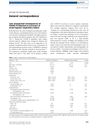 1 citations
,
August 2021 in “Internal Medicine Journal”
1 citations
,
August 2021 in “Internal Medicine Journal” After severe COVID-19, 71% of patients experienced excessive hair shedding and thinning within 3 months due to factors like low oxygen levels, medication, stress, and autoimmune disease.
 March 2025 in “MAEDICA – a Journal of Clinical Medicine”
 COVID-19 may worsen symptoms of benign prostatic hyperplasia (BPH).
 27 citations
,
July 2013 in “Journal of Dermatological Science”
27 citations
,
July 2013 in “Journal of Dermatological Science” The conclusion is that androgenetic alopecia and senescent alopecia have unique gene changes, suggesting different causes and potential treatments for these hair loss types.
 18 citations
,
October 2023 in “Nature Communications”
18 citations
,
October 2023 in “Nature Communications” Men with baldness are more prone to skin cancers on the scalp due to sun exposure, not testosterone.
 March 2013 in “Hair transplant forum international”
 Inflammation linked to the immune response may play a role in causing various types of hair loss.
January 2016 in “Memorial University Research Repository (Memorial University)” Hereditary hyperplastic gingivitis in silver foxes may be linked to errors in the MAPK signaling pathway, influenced by androgens.
4 citations
,
June 2025 in “MedComm” PROTACs show promise for cancer treatment, but designing them effectively is challenging.
 185 citations
,
August 2020 in “Mayo Clinic Proceedings”
185 citations
,
August 2020 in “Mayo Clinic Proceedings” Men are more likely to have severe COVID-19 cases and fatalities than women due to factors like lifestyle, aging, and biological differences.

Hormonal treatments can help with hair loss, acne, and excess hair growth, but it takes 3-6 months to see results and patients should know the possible side effects.
 11 citations
,
September 2019 in “Dermatologic Surgery”
11 citations
,
September 2019 in “Dermatologic Surgery” A substance called Vascular Endothelial Growth Factor can protect certain hair follicle stem cells from damage caused by androgens, suggesting a new possible treatment for hair loss.
 67 citations
,
July 2006 in “Clinics in Dermatology”
67 citations
,
July 2006 in “Clinics in Dermatology” Androgens cause skin issues like acne and hair growth in women, often due to PCOS, and can be treated with medication and lifestyle changes.
 24 citations
,
April 2014 in “Oncotarget”
24 citations
,
April 2014 in “Oncotarget” Minoxidil can reduce functions related to androgen receptors.
 September 2023 in “Medicine”
 The research suggests immune system changes and specific gene expression may contribute to male hair loss, proposing potential new treatments.
 7 citations
,
January 2020 in “International Journal of Molecular Sciences”
7 citations
,
January 2020 in “International Journal of Molecular Sciences” Low-frequency electromagnetic fields can boost molecules related to hair growth in human skin cells.