July 2025 in “Bioactive Materials” New engineering methods show promise for regenerating hair follicles using stem cells and advanced technologies.
 May 2025 in “International Journal of Molecular Sciences”
 Exosomes from rat hair follicle stem cells may help heal wounds and regenerate skin.
 September 2024 in “Advanced Biomedical Research”
 Chick embryo extract helps rat hair follicle stem cells become more like neurons.
 August 2024 in “Nature Communications”
 Softer hydrogels help wounds heal better with less scarring.
Enterococcus faecalis delays wound healing by disrupting cell functions and creating an anti-inflammatory environment.
 April 2024 in “The Journal of experimental medicine/The journal of experimental medicine”
 Treg cells help repair and regenerate tissues by interacting with local cells.
April 2024 in “International journal of molecular sciences” Combination pharmacotherapy is generally more effective for treating keloids and hypertrophic scars.
 April 2024 in “Journal of translational medicine”
 Melanocytes are important for normal body functions and have potential uses in regenerative medicine and disease treatment.
February 2024 in “Pharmaceutics” Microneedles with extracellular vesicles show promise for treating various conditions with targeted delivery.
 December 2023 in “Aggregate”
 Scientists are using clumps of special stem cells to improve organ repair.
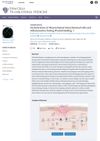 July 2023 in “Stem Cells Translational Medicine”
 Mesenchymal Stem/Stromal Cells (MSCs) help in wound healing and tissue regeneration, but can also contribute to tumor growth. They show promise in treating chronic wounds and certain burns, but their full healing mechanisms and potential challenges need further exploration.
 June 2023 in “Frontiers in Genetics”
 Genes related to calcium signaling and lipid metabolism are important for curly hair in Mangalitza pigs.
 May 2023 in “International Journal of Molecular Sciences”
 Mesenchymal stem cells could help treat radiation-induced bladder damage but more research is needed to overcome current limitations.
 May 2023 in “Stem Cells International”
 Different parts of the body's fat tissue have unique cell types and characteristics, which could help treat chronic wounds.
 May 2026 in “Nature Communications”
 Targeting catecholaminergic signaling may help treat keloid scars.

Advances in RNA research and skin models offer hope for better skin healing without scarring.
 April 2026 in “Biomedicines”
 Wound healing is not fully understood, requiring more research and collaboration to improve treatments.
April 2026 in “Dermatological Reviews” Exosome-based therapies in dermatology show promise but face challenges in standardization, regulation, and safety.
 April 2026 in “Journal of Inflammation Research”
 Alopecia areata and atopic dermatitis share immune system issues, and treatments like JAK inhibitors can help both.
 March 2026 in “Preprints.org”
 The combined stem cell secretome in the skin care product effectively reduces inflammation and promotes tissue regeneration.
 March 2026 in “Journal of Ovarian Research”
 PRP may help improve ovarian function, but more research is needed for consistent results.
 January 2026 in “Preprints.org”
 Mimicking fetal wound environments may enable scarless healing in adults.
December 2025 in “Rare Metals” Smart biomaterials and dressings show promise in treating chronic skin diseases by improving drug delivery and minimizing side effects.
 October 2025 in “Gene Expression”
 Exosome therapy could be a promising new way to treat hair loss.
September 2025 in “Biomolecules” The skin microenvironment significantly affects hair growth and loss, offering potential treatment avenues.
 June 2024 in “Computational and Structural Biotechnology Journal”
 Multi-omics techniques help understand the molecular causes of androgenetic alopecia.
 June 2023 in “Frontiers in Bioengineering and Biotechnology”
 The conclusion is that accurately replicating the complexity of the extracellular matrix in the lab is crucial for creating realistic human tissue models.
200 citations
,
March 2023 in “Nature Reviews Molecular Cell Biology” Quiescent adult stem cells are crucial for tissue repair and maintenance.
45 citations
,
November 2024 in “International Journal of Molecular Sciences” Functional foods and nutrients like flavonoids, vitamin D, omega-3s, and probiotics can boost brain health and reduce stress.
15 citations
,
March 2023 in “Heliyon” Beehive extracts may help with anxiety, depression, and inflammation.