 1 citations
,
December 2016 in “Trichology and cosmetology:”
1 citations
,
December 2016 in “Trichology and cosmetology:” Panax ginseng might help with hair growth and has fewer side effects than synthetic treatments.
May 2026 in “Skin Appendage Disorders” 3D bioprinting could help treat hair loss, but it needs more work and cost reduction for real-world use.
 April 2026 in “Asian Journal of Research in Pharmaceutical Sciences”
 Semecarpus anacardium may promote hair growth, but more research is needed for safe use in humans.
 September 2025 in “Institutional Repositories DataBase (IRDB)”
 Lactic acid bacteria fermentation can turn waste into valuable skincare ingredients.
 January 2025 in “Journal of Cosmetic Dermatology”
 Poor nutrition, higher BMI, and stress may worsen seborrheic dermatitis.
 May 2024 in “Tạp chí Y Dược học Cần Thơ”
 Natural remedies like grapefruit and rosemary may help hair regrowth.
December 2023 in “Archaeopress Publishing Ltd eBooks” Past societies used natural ingredients for health and beauty.
Forensic hair analysis for drugs is now more reliable and accurate.
 March 2001 in “Clinics in Dermatology”
 Hair disease research is a growing and evolving field in dermatology, with recent significant advances.
114 citations
,
October 1996 in “Dermatologic clinics” Hair loss is mainly caused by hormones, autoimmune issues, and chemotherapy, and needs more research for treatments.
6 citations
,
August 2020 in “Journal of Plastic Reconstructive & Aesthetic Surgery” Home practice solutions using simple materials can help maintain microsurgical skills during lockdowns.
July 2025 in “Journal of Investigative Dermatology” Topical minoxidil is dangerous for cats and dogs.
 February 2024 in “Scientific Reports”
 The wolves suspected of man-eating in the 1880s likely ate very little human flesh and mostly consumed a diet similar to herbivores and omnivores.
January 2008 in “한국미용학회지” Certain enzymes and a growth factor were higher in mice treated with minoxidil or a peppermint and rosemary oil mix, which may be good indicators of hair growth.

Key genes for mink fur have been identified, aiding conservation efforts.
January 2007 in “Journal of Inner Mongolia University” The research helps in creating genetically modified animals to study hair growth.
 5 citations
,
February 2011 in “Expert Opinion on Drug Discovery”
5 citations
,
February 2011 in “Expert Opinion on Drug Discovery” We need better treatments for hair loss, and while test-tube methods are helpful, they can't fully replace animal tests for evaluating new hair growth treatments.
 113 citations
,
March 2018 in “Biological reviews/Biological reviews of the Cambridge Philosophical Society”
113 citations
,
March 2018 in “Biological reviews/Biological reviews of the Cambridge Philosophical Society” Animals that change color with the seasons mainly do so in response to daylight changes, but climate change is causing camouflage problems that may require evolutionary changes.
 6 citations
,
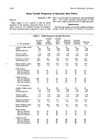
December 1966 in “Textile Research Journal”
6 citations
,
December 1966 in “Textile Research Journal” Animal hair fibers like wool and mohair are strong when dry, but vicuna fibers are very brittle.
 5 citations
,
November 2022 in “Animal Genetics”
5 citations
,
November 2022 in “Animal Genetics” Genomic research can help improve the quality and production of natural fibers in animals.
1 citations
,
August 2023 in “Animals” Chimp Haven uses a special system to check and improve the well-being of their chimpanzees, which could help other animal sanctuaries too.
September 2025 in “Animals” Accurate diagnosis and effective treatment are crucial to manage and prevent the spread of skin fungal infections in animals.
 193 citations
,
August 1985 in “Endocrinology”
193 citations
,
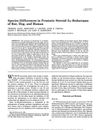
August 1985 in “Endocrinology” Different animals have unique versions of the enzyme that changes testosterone into another hormone, which is important for creating effective treatments for prostate and hair loss conditions.
 1 citations
,
August 2016 in “Journal of Buffalo Science”
1 citations
,
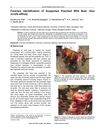
August 2016 in “Journal of Buffalo Science” The animal was likely a wild boar.
54 citations
,
March 1991 in “Proceedings of the National Academy of Sciences” This model can replace animal testing for quick, cost-effective skin toxicity tests.
39 citations
,
August 2017 in “Annual Review of Genetics” Understanding tissue regeneration in animals can improve regenerative medicine.
 18 citations
,
September 2020 in “International Journal of Nanomedicine”
18 citations
,
September 2020 in “International Journal of Nanomedicine” Both human and animal-derived small extracellular vesicles speed up skin healing equally well.
2 citations
,
May 1981 in “Journal of Animal Science” Hair mineral analysis is not very useful for assessing overall mineral composition in animals.
November 2024 in “Journal of Investigative Dermatology” Microfluidic models improve testing for aging, wound healing, and oral tissue, reducing animal testing.
 October 2023 in “Biomedical science and engineering”
 Innovative methods are reducing animal testing and improving biomedical research.