278 citations
,
May 2013 in “Ca” Targeted anticancer therapies can cause severe side effects similar to traditional chemotherapy, but with different types.
26 citations
,
February 2015 in “Pediatric blood & cancer” Targeted anticancer therapies in children often cause skin side effects like rash and dry skin.
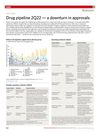 August 2022 in “Nature Biotechnology”
 Drug approvals slowed in 2Q22, but notable drugs like Amvuttra, Camzyos, and Olumiant were approved.
April 2025 in “Journal of Pharma Insights and Research.” Females had more chemotherapy side effects than males, with many being preventable.
42 citations
,
September 2020 in “American Journal of Clinical Dermatology” 18 citations
,
October 1986 in “PubMed” Alpha-tocopherol does not prevent hair loss from doxorubicin.
 May 2020 in “JAAD case reports”
 Using anthralin and calcipotriene together might help treat tough cases of alopecia areata, but more research is needed to understand how it works.
 October 2021 in “International journal of basic and clinical pharmacology”
 Excessive eyelash growth from erlotinib may indicate positive tumor response and help treat madarosis.
5 citations
,
October 2023 in “Phytotherapy Research” Dauricine may help treat certain brain cancers by reducing cancer cell growth and promoting cell death.
1 citations
,
December 2024 in “Case Reports in Dermatology” Cyclophosphamide likely causes skin darkening by affecting hair follicles.
 January 1987 in “Journal of steroid biochemistry/Journal of Steroid Biochemistry”
 Norethisterone (jenapharm) therapy is effective for endometrial cancer.
 11 citations
,
October 2017 in “Journal of Investigative Dermatology”
11 citations
,
October 2017 in “Journal of Investigative Dermatology” Applying certain inhibitors to the skin can promote hair growth without harming cells.
October 2025 in “Pharmaceuticals” Auranofin shows promise as a cancer treatment, especially when combined with other therapies.
71 citations
,
February 2000 in “Endocrinology and metabolism/American journal of physiology: endocrinology and metabolism” Estradiol stops hair growth in mice, but an antagonist can reverse this effect.
 December 1989 in “Inpharma (Balgowlah)”
 Cyproterone helps women with hair loss caused by genetics. More research is needed to confirm the best dose.
 September 2025 in “Experimental & Molecular Medicine”
 Small molecules KY19382 and KY19334 may help treat skin cancer by reducing CDK1 levels and blocking harmful cell signals.
 53 citations
,
May 2001 in “The American journal of the medical sciences”
53 citations
,
May 2001 in “The American journal of the medical sciences” Chemotherapy can cause various skin problems, and recognizing them helps improve patient care.
 September 2024 in “Journal of Anatomy and Histopathology”
 Miliacin helps damaged hair follicles grow new hair faster.
 1 citations
,
August 2019 in “Biomedical Journal of Scientific & Technical Research”
1 citations
,
August 2019 in “Biomedical Journal of Scientific & Technical Research” Early detection of chemotherapy side effects allows treatment adjustments, improving patient outcomes.
 November 2025 in “Eurasian journal of applied biotechnology”
 Combining L-cysteine, NAC, and a MET inhibitor significantly kills cervical cancer cells.
 March 2002 in “Reactions Weekly”
 Some birth control pills increase blood clot risk; use them for specific conditions only.
Treatment improved symptoms in a woman with HAIR-AN syndrome.
10 citations
,
July 2011 in “Archives of Pharmacal Research” 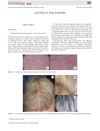 2 citations
,
May 2018 in “Australasian Journal of Dermatology”
2 citations
,
May 2018 in “Australasian Journal of Dermatology” Some patients' hair grew back black and white after chemotherapy.
 1 citations
,
January 2015 in “Springer eBooks”
1 citations
,
January 2015 in “Springer eBooks” Chemotherapy can cause skin side effects that affect patients' lives, but they can be managed to avoid interrupting cancer treatment.
27 citations
,
May 2016 in “Integrative Cancer Therapies” Chrysin makes docetaxel more effective and reduces its side effects in lung cancer treatment.

Diane and Androcur 10 improved acne and seborrhea in most women, and hirsutism and alopecia in about half.
3 citations
,
January 1990 in “Cancer chemotherapy and pharmacology” Topical thiols may prevent hair loss caused by certain chemotherapy drugs.
31 citations
,
October 1992 in “Journal of Clinical Pharmacy and Therapeutics” Some medications can change hair color, especially chloroquine and cancer treatments.
 September 2024 in “Current Oncology”
 Docetaxel often causes hair loss, with limited effective treatments and no cure for permanent hair loss.