Search
for
Sort by
Research
240-270 / 1000+ results
research Safety and efficacy of a novel skin lightening agent for melasma
The new treatment was safe and may effectively treat male pattern hair loss.
research 519 Design of a new molecule proven to be safe and effective for topical depigmenting and antiaging method
A new molecule was found to be a safe and effective skin lightener and anti-aging product.
research Topical niacinamide 4% and desonide 0.05% for treatment of axillary hyperpigmentation: a randomized, double-blind, placebo-controlled study
Desonide is more effective than niacinamide for reducing underarm darkening.
research British Cosmetic Dermatology Group
Imiquimod improved skin pigmentation in most patients with xeroderma pigmentosum and may prevent further skin cancer, but some treatments can have side effects.
research Dupilumab in Inflammatory Skin Diseases: A Systematic Review
Dupilumab effectively treats various inflammatory skin diseases beyond its initial use for atopic dermatitis.
research 308 nm–Excimer light together with topical betamethasone valerate in treating alopecia areata
Using Excimer light with topical steroids is the most effective treatment for alopecia areata.
research Use of H-1 Antihistamine in Dermatology: More than Itch and Urticaria Control: A Systematic Review
H-1 antihistamines may help with various skin conditions, but more research is needed to confirm their effectiveness.
research Trichophyton tonsurans‐induced kerion celsi with decreased defensin expression and paradoxically increased interleukin‐17A production
Terbinafine effectively treated kerion celsi despite disrupted immune responses.
research Comparison of efficacy of intralesional triamcinolone versus 308nm Excimer laser in the treatment of localized alopecia areata
Intralesional triamcinolone is more effective than the Excimer laser for treating localized alopecia areata.
research 5. HIV, Fungal and Infectious Diseases
The document concludes that various treatments for skin conditions are effective, but some require further research, and certain factors like gender and lifestyle can influence disease outcomes.
research BRIDGING THE GAP IN ACNE MANAGEMENT: A NARRATIVE REVIEW OF CURRENT THERAPIES AND THE EMERGENCE OF CLASCOTERONE
Clascoterone cream is a safer, effective acne treatment with fewer side effects.
research NEW YORK ACADEMY OF MEDICINE, SECTION OF DERMATOLOGY AND SYPHILOLOGY
Dermatological conditions are complex, and treatments have mixed results.
research Śródskórne iniekcje acetonidu triamcynolonu w leczeniu Zespołu Grahama-Little’a — opis przypadku
Intralesional triamcinolone acetonide can effectively limit the progression of GLPLS.
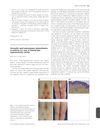
research Successful rapid subcutaneous desensitization to anakinra in a case of delayed‐type hypersensitivity reaction
A woman with a drug allergy to anakinra was successfully desensitized, allowing her to continue treatment without allergic reactions.
research Skin Androgen-Related Disorders: Hormonal Treatment
research Intralesional Triamcinolone Acetonide in the Management of Acne Keloidalis Nuchae
Intralesional triamcinolone acetonide effectively treats acne keloidalis nuchae with minimal side effects.
research Cutaneous hyperandrogenism: role of antiandrogen therapy in acne, hirsutism, and androgenetic alopecia.
research Three-microneedle device as an effective option for intralesional corticosteroid administration for the treatment of alopecia areata
research Complete remission of alopecia areata under treatment of chronic hand eczema with alitretinoin
Alitretinoin may help treat alopecia areata.
research Intralesional vitamin D3 versus intralesional triamcinolone acetonoid in patchy alopecia areata: a comparative clinical and dermoscopic study
Intralesional vitamin D3 is an effective and safe treatment for patchy alopecia areata with fewer side effects.
research Comparative evaluation of Intralesional Triamcinolone Acetonide Injection, narrow band Ultraviolet B, and their combination in Alopecia Areata
Intralesional steroids are more effective for hair regrowth in alopecia areata than NBUVB, but combining them doesn't improve results.
research 1323 Human dermal fibroblasts and mast cell populations are altered in hidradenitis suppurativa, with epithelial-mesenchymal-transition signals ameliorated by spleen tyrosine kinase antagonism.
Skin cells and immune cells change in a skin condition called hidradenitis suppurativa, and a certain treatment can improve these changes.

research Skin Lesions in a Daclizumab-treated Patient with Multiple Sclerosis
A patient with multiple sclerosis developed skin reactions after Daclizumab treatment, requiring more data on the drug's effects.
research 14 Dermatological drugs, topical agents, and cosmetics
Dermatological treatments can have significant side effects, including allergic reactions, sexual dysfunction, and increased cancer risk.
research TRASER: Acute phase vascular and follicular changes
TRASER effectively targets blood vessels and hair follicles for potential use in vascular and hair removal treatments.
research Araliadiol Protects Human Keratinocytes From Oxidative Stress, DNA Damage, and Apoptosis via Activation of Antioxidant Signaling
Araliadiol protects skin cells from damage by boosting antioxidant defenses.
research Ethinylestradiol/salicylic acid/swertia japonica/tocopherol acetate
Two women had skin reactions from a hair loss treatment and got better after stopping use.

research Magistral Galenic Preparations in Modern Dermatology: Our Top 10 Picks for Bridging Therapeutic Gaps
Customized dermatological treatments effectively address gaps in standard products, especially for complex cases.
research Monovalent antibody-conjugated lipid-polymer nanohybrids for active targeting to desmoglein 3 of keratinocytes to attenuate psoriasiform inflammation
The targeted nanohybrids effectively reduced psoriasis symptoms and improved skin health.