1 citations
,
May 2017 in “InTech eBooks” The chapter explains common scalp conditions, including infections, infestations, and tumors.
May 2021 in “Immunology and Infectious Diseases” Viruses continue to challenge human health despite medical advances.
 January 2021 in “Revista brasileira de higiene e sanidade animal”
 A dog with skin lesions was successfully treated for a human-type fungal infection.
2 citations
,
January 2023 in “Brazilian Journal of Development” Illegal wildlife captivity poses health risks and highlights the need for conservation and public health awareness.
 10 citations
,
June 2021 in “Primates”
10 citations
,
June 2021 in “Primates” Wild geladas in crop areas show less grooming and aggression.
Two new mite species were found in a monkey's hair follicles, leading to a new genus and family proposal.
15 citations
,
July 2015 in “Journal of exotic pet medicine” Humans, especially vulnerable groups, can catch skin infections from small mammals.
 2 citations
,
June 2003 in “International Journal of Acarology”
2 citations
,
June 2003 in “International Journal of Acarology” Researchers found a new mite species causing severe hair loss and skin problems in yellow-bellied marmots.

Social hair plucking in rhesus macaques is an abnormal behavior with both social and aggressive traits and health impacts.

Social hair plucking in rhesus macaques is an abnormal behavior with both social and aggressive traits and health impacts.

Social hair plucking in rhesus macaques is an abnormal behavior with both social and aggressive traits, affecting health.
15 citations
,
January 2020 in “ILAR Journal” Nonhuman primates are valuable in research but their natural health variations can complicate study results.
6 citations
,
October 1998 in “PubMed” Antifungal treatment can improve severe skin infections with cutaneous horns.
 May 2026 in “Journal of Wildlife and Conservation Medicine”
 Mange-like skin lesions in snow leopards and prey in Kyrgyzstan raise concerns about disease spread.
 8 citations
,
June 2018 in “ACTA SCIENTIAE VETERINARIAE”
8 citations
,
June 2018 in “ACTA SCIENTIAE VETERINARIAE” A maned wolf was successfully treated for a fungal infection, highlighting the need to understand such diseases for conservation.
 September 2025 in “Media Kedokteran Hewan”
 90% of African pygmy hedgehogs in the study had fungal infections.
1 citations
,
March 2017 in “Semina Ciências Agrárias” Hunting wild boar can cause fungal infections in dogs.
1 citations
,
October 2020 in “International Journal of Zoology and Animal Biology” A golden lion tamarin had Cushing's disease due to a pituitary tumor, leading to its euthanasia.
 October 2023 in “Al-Kauniyah”
 Gibbons at Tegal Alur Animal Rescue Center need better feed management to improve their health and weight.

Social dynamics and individual traits affect hair plucking and health in rhesus macaques.
21 citations
,
November 1980 in “PubMed” A new mite species was found in California sea lions, causing skin issues.
 108 citations
,
March 2011 in “Archives of Dermatology”
108 citations
,
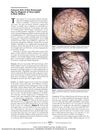
March 2011 in “Archives of Dermatology” Corkscrew hair may be a new sign for quickly diagnosing scalp fungus in black children.
 31 citations
,
April 2018 in “Royal Society open science”
31 citations
,
April 2018 in “Royal Society open science” Sarcoptes scabiei infection causes significant health and behavior changes in wombats.
January 2024 in “Editora In Vivo eBooks” Dermatophytosis is a fungal skin infection affecting animals and humans, common in cooler seasons.
 March 2024 in “Indian Journal of Dermatology/Indian journal of dermatology”
 Using animal names for skin conditions helps with learning and memory.
June 2026 in “Journal of Applied Animal Welfare Science” Social hair plucking in rhesus macaques is linked to grooming, aggression, and health issues like hair loss, especially in females and lower-ranked individuals.
September 1973 in “Primates” June 2025 in “AgroLife Scientific Journal” Early diagnosis and treatment of dermatophytosis in hedgehogs are crucial for recovery and public health.
 3 citations
,
March 2017 in “International journal of women’s dermatology”
3 citations
,
March 2017 in “International journal of women’s dermatology” Some domesticated animals have the same genetic skin diseases as humans, which can help doctors understand human genetic mutations.
 1 citations
,
June 2011 in “Journal of Genetics”
1 citations
,
June 2011 in “Journal of Genetics” Some human genetic markers work for genetic studies in pig-tailed and stump-tailed macaques, which can help in their conservation.