 1 citations
,
May 2017 in “InTech eBooks”
1 citations
,
May 2017 in “InTech eBooks” Hair loss in Androgenetic alopecia (AGA) is due to altered cell sensitivity to hormones, not increased hormone levels. Hair growth periods shorten over time, causing hair to become thinner and shorter. This is linked to miscommunication between cell pathways in hair follicles. There's also a change in gene expression related to blood vessels and cell growth in balding hair follicles. The exact molecular causes of AGA are still unclear.
1 citations
,
October 2015 in “The Pharma Innovation Journal” The best way to make a topical treatment for hair loss is to mix Saw Palmetto extract with 48% ethanol at the end of making the lotion.
 1 citations
,
February 2014 in “Analytical Letters”
1 citations
,
February 2014 in “Analytical Letters” The method accurately measures the amount of ketoconazole in anti-dandruff shampoo and cream, and can also be used to monitor the drug in human plasma.
 1 citations
,
September 2012 in “Expert Review of Endocrinology & Metabolism”
1 citations
,
September 2012 in “Expert Review of Endocrinology & Metabolism” Androgen replacement therapy can improve libido and mood in women with severe androgen deficiency, but more research is needed on its long-term safety.
 April 2026 in “Journal of Education Health and Sport”
 Anabolic-androgenic steroid use in active men can cause serious health issues, especially affecting the heart, hormones, and mental health.
 April 2026 in “Quality in Sport”
 Anabolic-androgenic steroids increase the risk of heart problems.
 January 2026 in “Frontiers in Cellular Neuroscience”
 Neurosteroids like neuro-estrogen and neuro-androgen are crucial for brain function and can improve cognition and protect against aging-related decline.
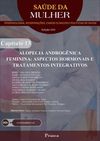 August 2025 in “Editora Pasteur eBooks”
 Combining conventional and integrative treatments can help reduce hair loss and improve hair growth in women with androgenic alopecia.
 May 2025 in “The Journal of Rheumatology”
 Anti-CD19 therapy may help treat SLE and NMOSD.
 April 2025 in “International Journal of Clinical Research and Reports”
 Lifestyle changes can significantly improve hair loss in overweight women with PCOS.

People with androgenic alopecia are more likely to have metabolic syndrome than healthy individuals.
 November 2017 in “Asian journal of pharmaceutical and clinical research”
 Three compounds from Dadap leaves may help treat hair loss.
 January 2017 in “Korean Journal of Pharmacognosy”
 Modified red ginseng extract promotes hair growth and has antioxidant and anti-inflammatory effects.
 August 2016 in “Journal of Investigative Dermatology”
 DHT reduces a cell's ability to promote hair growth, while 3D culture without DHT improves it.

Men with both baldness and scalp psoriasis often don't have psoriasis on bald spots.
 February 2010 in “ePrints Soton (University of Southampton)”
 Male sexual differentiation is regulated independently, while female differentiation occurs in an androgenic environment, affecting conditions like congenital adrenal hyperplasia.
 January 2008 in “Journal für Kardiologie (Krause & Pachernegg GmbH)”
 Healthy aging can be promoted through physical activity, lifestyle changes, and certain treatments.
 December 1986 in “Plastic and Reconstructive Surgery”
 Wax injection did not stop hair loss and caused changes to the skull.
 September 2016 in “Más dermatología”
 New factors in female hair loss include genetics, hormones, stress, and inflammation; future treatments should also focus on these areas and consider the patient's emotional well-being.
 March 2021 in “Journal of Pakistan Association of Dermatologists”
 In Pakistan, men with more severe hair loss often have a higher BMI.
 April 2018 in “Journal of Investigative Dermatology”
 Platelet Rich Plasma can potentially help in restoring hair loss, but more research with larger groups is needed to confirm its effectiveness and standardize its use.
 21 citations
,
July 2019 in “Cardiovascular Research”
21 citations
,
July 2019 in “Cardiovascular Research” High levels of male hormones in pregnant mice cause heart enlargement and poor heart function in their female babies.
 2 citations
,
August 2023 in “Journal of Endocrinological Investigation”
2 citations
,
August 2023 in “Journal of Endocrinological Investigation” Excess maternal androgens can cause heart problems in offspring.
 46 citations
,
June 2015 in “Journal of Investigative Dermatology”
46 citations
,
June 2015 in “Journal of Investigative Dermatology” Androgen receptor activity blocks Wnt/β-catenin signaling, affecting hair growth and skin cell balance.
 16 citations
,
January 2003 in “Nuclear Receptor Signaling”
16 citations
,
January 2003 in “Nuclear Receptor Signaling” Androgens and SARMs play a role in body mass, frailty, skin health, and hair growth, and are used in treating prostate cancer, acne, and hair loss, with potential for new uses and improved versions in the future.
 13 citations
,
April 1994 in “Journal of Investigative Dermatology”
13 citations
,
April 1994 in “Journal of Investigative Dermatology” Androgen receptors found in monkey scalps, similar to humans, affect hair growth.
 6 citations
,
January 2013 in “Genetics and Molecular Research”
6 citations
,
January 2013 in “Genetics and Molecular Research” Women with hair loss have more androgen receptors in certain hair follicles.
 January 2010 in “Yearbook of Endocrinology”
 Two new compounds can block androgen receptor activity in different ways and may lead to new treatments for androgen-related diseases.
 78 citations
,
June 2003 in “Journal of Investigative Dermatology Symposium Proceedings”
78 citations
,
June 2003 in “Journal of Investigative Dermatology Symposium Proceedings” TGF-β1 from dermal papilla cells suppresses hair growth, and targeting it may help treat androgenetic alopecia.
 29 citations
,
January 2006 in “Clinical chemistry and laboratory medicine”
29 citations
,
January 2006 in “Clinical chemistry and laboratory medicine” SHBG binding properties are unchanged in male liver cirrhosis patients.