January 2026 in “Journal of Aesthetic Nursing” Combining PRP, light therapy, and microneedling can significantly regrow hair in severe alopecia cases.
 16 citations
,
January 2019 in “Skin appendage disorders”
16 citations
,
January 2019 in “Skin appendage disorders” Intralesional corticosteroids work best for mild alopecia areata, and DPCP works best for moderate to severe cases.
April 2022 in “Journal of Investigative Dermatology” Androgenetic alopecia causes hair thinning due to increased androgen activity, treatable with minoxidil and finasteride.
 November 2024 in “Theoretical and Natural Science”
 Good scalp care and mood help prevent hair loss; medical treatment or Minoxidil may be needed.
 13 citations
,
February 2015 in “Actas Dermo-Sifiliográficas”
13 citations
,
February 2015 in “Actas Dermo-Sifiliográficas” The document concludes that recognizing specific histological features of different nonscarring alopecias is crucial for accurate diagnosis and understanding hair loss progression.
 5 citations
,
January 2015 in “Current problems in dermatology”
5 citations
,
January 2015 in “Current problems in dermatology” The document provides a practical guide for diagnosing and treating various types of hair loss.
 2 citations
,
June 1980 in “International Journal of Dermatology”
2 citations
,
June 1980 in “International Journal of Dermatology” Scalp biopsies are important for diagnosing hair loss conditions.
 June 2023 in “Drugs & Therapy Perspectives”
 New treatments for male pattern hair loss look promising, but established treatments are still the main option.
January 2012 in “Journal of Practical Dermatology” Various treatments can help manage hair loss in androgenetic alopecia.
 December 2016 in “Springer eBooks”
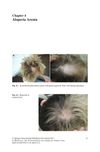
 A 45-year-old woman with autoimmune diseases experienced patchy hair loss due to alopecia areata, which has no cure but can be treated, with varying success.
 May 2024 in “Drug discovery today”
 Thyroid receptor β can help develop new drugs to treat hair loss.
Alopecia treatment takes time, needs specific plans, and may include drugs or hair transplants.
2 citations
,
December 2016 in “JAMA dermatology” Modern treatments for hair loss are more effective and less unpleasant than ancient remedies.
 June 2024 in “Journal of cosmetic dermatology”
 Dutasteride is the most studied alternative drug for androgenetic alopecia, but more high-quality research is needed.
 January 2023 in “Vìsnik problem bìologìï ì medicini”
 Androgenic alopecia causes hair follicle degradation and skin restructuring, but some hair elements remain.
6 citations
,
January 2004 in “Acta dermato-venereologica”  32 citations
,
January 2019 in “American Journal of Clinical Dermatology”
32 citations
,
January 2019 in “American Journal of Clinical Dermatology” Minoxidil helps treat eyebrow thinning, monilethrix, early hair loss, and shortens chemo-related hair loss.
 January 2022 in “Open Access Macedonian Journal of Medical Sciences”
 A 5-year-old boy with alopecia totalis had temporary hair regrowth with treatment but relapsed, highlighting the need for thorough investigation and holistic care.
 January 2026 in “Biomedicines”
 Dysregulated lipid metabolism may play a role in male pattern baldness.
 August 2025 in “Галицький медичний вісник”
 Understanding hair follicle changes and hormones is key to diagnosing and treating hair loss.
Alopecia areata causes hair loss and needs personalized care to manage its emotional and social effects.
 September 1998 in “Journal of The European Academy of Dermatology and Venereology”
 Topical 5α-reductase inhibitor helps counteract hair loss and stabilize it.
 October 2022 in “Más dermatología”
 Early diagnosis and treatment are crucial for managing female hair loss effectively.
 8 citations
,
February 2019 in “Journal of The European Academy of Dermatology and Venereology” 6 citations
,
July 1985 in “British Journal of Dermatology”
8 citations
,
February 2019 in “Journal of The European Academy of Dermatology and Venereology” 6 citations
,
July 1985 in “British Journal of Dermatology” Topical minoxidil showed limited effectiveness for hair regrowth in alopecia areata.
 September 2022 in “Polish Hyperbaric Research”
 Some treatments for hair loss, like finasteride, biotin, and minoxidil, can be effective, but their success varies by individual case.
4 citations
,
June 2017 in “Annales de dermatologie et de vénéréologie” The study found that a specific type of hair loss is increasingly common in premenopausal women and can be effectively diagnosed and treated with various medications.
July 2022 in “DOAJ (DOAJ: Directory of Open Access Journals)” Androgenetic alopecia is common, affects self-image, and has no complete cure yet.
6 citations
,
July 2004 in “JDDG Journal der Deutschen Dermatologischen Gesellschaft” Frontal fibrosing alopecia in postmenopausal women can be managed with early treatment using corticosteroids to stop hair loss.