 3 citations
,
November 2021 in “Journal of The American Academy of Dermatology”
3 citations
,
November 2021 in “Journal of The American Academy of Dermatology” Androgenetic alopecia, a genetic disorder affecting up to 50% of adults, is caused by an excessive response to androgens leading to hair follicle shrinkage. Treatments include FDA-approved drugs, other therapies like low-dose oral minoxidil, and hair transplantation.
 September 2003 in “Clinics in Family Practice”
 Different hair diseases affect people during childbearing years, with treatments ranging from medication to psychological support.
 7 citations
,
May 1978 in “International Journal of Dermatology”
7 citations
,
May 1978 in “International Journal of Dermatology” Recent hair loss research shows some progress, especially in understanding male pattern baldness, but effective treatments for many types of hair loss are still lacking.
 47 citations
,
October 2014 in “Expert Opinion on Emerging Drugs”
47 citations
,
October 2014 in “Expert Opinion on Emerging Drugs” New alopecia treatments aim for better results and fewer side effects.
 April 2024 in “International Journal of Research Publication and Reviews”
 Alopecia areata causes hair loss with varied treatment responses and frequent relapses.
 36 citations
,
May 2011 in “Dermatologic therapy”
36 citations
,
May 2011 in “Dermatologic therapy” No treatments fully cure or prevent alopecia areata; some help but have side effects or need more research.
 January 2022 in “International Journal of Health Science”
 Topical products, especially specific shampoos, are effective in treating androgenetic alopecia by delivering active ingredients to hair follicles and improving hair quality.
September 2008 in “Evidencia actualizacion en la práctica ambulatoria” Topical minoxidil and oral finasteride are the best treatments for androgenetic alopecia.
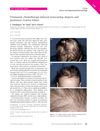 5 citations
,
March 2015 in “Clinical and Experimental Dermatology”
5 citations
,
March 2015 in “Clinical and Experimental Dermatology” Chemotherapy caused a woman's permanent hair loss and early menopause.
 February 2024 in “Actas Dermo-Sifiliográficas”
 Dermatologists recommend oral dutasteride for male hair loss, low-dose oral minoxidil for female hair loss, and a multidisciplinary approach for young patients, with caution during pregnancy.
 October 2021 in “Cosmoderma”
 Hair loss can be managed with treatments like minoxidil, finasteride, and others, but there are still gaps in effectiveness and off-label usage is increasing.
July 2026 in “Research Society and Development” Early diagnosis and personalized treatments are key to improving hair loss therapies.
August 2025 in “EMC - AKOS - Trattato di Medicina” Non-scarring alopecia can regrow hair, but scarring alopecia is often permanent and needs quick treatment.

Natural compounds from Chinese herbs may safely promote hair growth and treat common hair loss.
 22 citations
,
March 2000 in “Clinics in Dermatology”
22 citations
,
March 2000 in “Clinics in Dermatology” Many treatments for hair loss lack proper testing and FDA approval, so their effectiveness is uncertain.
 June 2025 in “Journal of Cosmetic Dermatology”
 Botanical extract shampoo and tonic improved hair loss in most participants.
25 citations
,
April 1988 in “Geburtshilfe und Frauenheilkunde” Treatment balancing hormones stopped hair loss in most women with androgenetic alopecia.
 1 citations
,
June 2022 in “PubMed”
1 citations
,
June 2022 in “PubMed” Alopecia causes hair loss and should be treated early, especially scarring types where hair cannot regrow.
5 citations
,
May 1958 in “Archives of Dermatology” Treatment with corticosteroids and zinc injections can help hair regrowth and restore pigmentation in alopecia totalis.
 4 citations
,
June 2017 in “Pharmaceutical and Biological Evaluations”
4 citations
,
June 2017 in “Pharmaceutical and Biological Evaluations” New methods for treating hair loss are being developed.
 164 citations
,
April 2008 in “Cochrane library”
164 citations
,
April 2008 in “Cochrane library” Current treatments for alopecia show no significant long-term benefits.
January 2024 in “Elsevier eBooks”  70 citations
,
February 2015 in “Expert Opinion on Drug Discovery”
70 citations
,
February 2015 in “Expert Opinion on Drug Discovery” Topical drugs and near-infrared light therapy show potential for treating alopecia.
 January 2025 in “Annals of Dermatology”
 New treatments for hair loss include low-dose oral minoxidil, light therapy, and innovative therapies targeting hair growth mechanisms.
September 2025 in “Journal of Natural Remedies” Herbal drugs show promise for treating alopecia with fewer side effects, but standardization is challenging.
 September 2023 in “Baylor University Medical Center Proceedings”
 Some alternative supplements might help with hair loss due to androgenetic alopecia.
5 citations
,
October 1990 in “Archives of Dermatology”  1 citations
,
July 2023 in “Cureus”
1 citations
,
July 2023 in “Cureus” Some treatments for hereditary hair loss are effective but vary in results and side effects; new therapies show promise but need more research.

Current treatments for androgenetic alopecia have limitations, and personalized approaches and new methods are needed for better results.