Search
for
Sort by
Research
210-240 / 1000+ resultsresearch Novos sistemas de veiculação da finasterida e sua aplicação no tratamento da alopécia
Topical finasteride formulations can treat hair loss effectively with fewer side effects.

research ANDROGENETIC ALOPECIA
New treatments for androgenetic alopecia are emerging, improving options for managing hair loss.

research Alopecia: from clinic to preclinic and back
Many people suffer from hair loss, which is caused by a disruption in hair growth, and there is a need for personalized treatments and new drugs.
research Topical lotion beneficial in androgenetic alopecia
Lotion with piroctone olamine and triclosan improves hair loss in men.

research Acquired scalp alopecia. Part II: A review
Early diagnosis and treatment are crucial for preventing permanent hair loss in various scalp conditions, and while new treatments are promising, more research is needed to evaluate their effectiveness.
research Interventions for alopecia areata
No treatment showed significant long-term hair growth benefits for alopecia areata.
research Novel agents for the treatment of alopecia
New treatments for hair loss show promise, especially finasteride for men and a stronger minoxidil formula.
research Silencing the androgen receptor: New skills for antiandrogen oligonucleotide skin and hair therapy
Targeting androgen receptors with antiandrogen oligonucleotides could effectively treat hair loss.
research L'alopécie androgénétique
Early diagnosis and treatment can help manage hair loss effectively.
research [Techniques for evaluating the course of androgenetic alopecia].

research ANDROGENETIC ALOPECIA
New treatments for androgenetic alopecia are emerging, improving hair loss management.
research Alefacept for Alopecia Areata
Alefacept showed some effectiveness for alopecia areata but needs more research.

research Clinical Perspectives on Alopecia: From Hair Follicle Biology to Advanced Therapies
Alopecia can often be managed effectively with various treatments, but early diagnosis is crucial for preventing permanent hair loss.
research 549 Temporary cell cycle arrest in human scalp hair follicles and their epithelial stem cells by ALRN-6924: A novel strategy to selectively protect p53-wildtype cells against paclitaxel-induced alopecia
ALRN-6924 may prevent hair loss caused by chemotherapy.
research Current Treatment of Alopecia Areata
There are no FDA-approved treatments for Alopecia Areata, and current options have varying success and relapse rates.
research Expression of vascular endothelial growth factor, apoptosis inhibitors (survivin and p16) and CCL27 in alopecia areata before and after diphencyprone treatment: an immunohistochemical study
Diphenylcyclopropenone treatment helps hair growth in alopecia areata by promoting blood vessel growth and cell survival.
research Androgenetic Alopecia: Overview
AGA is a genetic, hormonal hair loss treated with finasteride, minoxidil, and supplements, but new compounds are being developed.
research AN UPDATE ON ETIOPATHOGENESIS AND MANAGEMENT OF ALOPECIA
Personalized treatment plans combining natural and synthetic approaches are important for managing alopecia effectively.
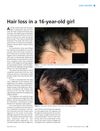
research Hair loss in a 16-year-old girl
The 16-year-old girl with hair loss was successfully treated for alopecia areata, leading to significant hair regrowth.
research 75712 Clinical Effectiveness of Complementary and Alternate Therapies for Androgenetic Alopecia
Rosemary oil may be a promising and affordable treatment for hair loss.
research Androgenetic alopecia
research Androgenetic alopecia
research CLINICAL ASSESSMENT OF THE THERAPEUTIC OPTIONS FOR ALOPECIA TREATMENT
Different hair loss treatments like topical mixtures, plasma infiltrations, and oral medicine can stop hair loss and improve hair density and follicle size.

research Assessment of Quality of Life and Treatment Outcomes of Patients With Persistent Postchemotherapy Alopecia
Hair regrowth treatments had modest benefits for patients with long-term hair loss after chemotherapy.
research Alopecia Areata: Evidence-Based Treatments
Alopecia areata can cause unpredictable hair loss, and treatments like corticosteroids and minoxidil may help but have varying side effects.
research Cosmeceutical Treatments for Androgenetic Alopecia
AGA is caused by genetics and androgens, treatable with finasteride and minoxidil.
research ALOPECIA AREATA: PADRÕES DE QUEDA DE CABELO, MODALIDADES DE TRATAMENTO E IMPACTO PSICOLÓGICO
No treatment works for everyone, and emotional support is crucial.

research Androgenetic Alopecia: Therapy Update
There are many treatments for common hair loss, but more trials are needed to decide which are best.
research Extensive alopecia areata: Not necessarily recalcitrant to therapy!
Some people with severe, long-lasting baldness responded well to a specific combination treatment.