 May 2026 in “Zenodo (CERN European Organization for Nuclear Research)”
 Androgenetic alopecia is common hair loss caused by genetics and hormones, with treatments mainly slowing it down.
 17 citations
,
August 2015 in “Expert Opinion on Pharmacotherapy”
17 citations
,
August 2015 in “Expert Opinion on Pharmacotherapy” The document concludes that oral finasteride and topical minoxidil are effective for genetic hair loss, while other treatments for different types of hair loss show promise but need more research.
 18 citations
,
February 2014 in “PubMed”
18 citations
,
February 2014 in “PubMed” Androgenetic alopecia is a common hair loss condition caused by testosterone effects on hair follicles, leading to thinner, shorter, and less pigmented hair, diagnosed using scalp dermoscopy and treated with topical minoxidil, antiandrogen agents, and 5-alpha reductase inhibitors.
 July 2023 in “IntechOpen eBooks”
 New treatments for alopecia areata show promise, but more research is needed to confirm their effectiveness.
December 2019 in “Global pharmaceutical sciences review” New treatments for alopecia are being explored due to the limitations of current options.
8 citations
,
October 2013 in “Der Hautarzt” Androgenetic alopecia requires a personalized treatment plan and psychological support to improve quality of life.

The combination therapy improved hair growth and thickness in people with androgenetic alopecia.
 January 2026 in “European Journal of Dermatology”
 Advanced dermocosmetics can effectively manage androgenetic alopecia and improve quality of life.
October 2023 in “University of Zadar Institutional Repository” Androgenic alopecia is hereditary hair loss treated with medications, therapies, and support.
 December 2025 in “Ciencia Latina Revista Científica Multidisciplinar”
 Nanotechnology shows promise in improving hair loss treatments by enhancing drug delivery and reducing side effects.
 139 citations
,
June 2003 in “Journal of Investigative Dermatology Symposium Proceedings”
139 citations
,
June 2003 in “Journal of Investigative Dermatology Symposium Proceedings” Androgenetic alopecia in women needs more research and better management strategies.
 November 2025 in “Australian Journal of General Practice”
 Oral finasteride and topical minoxidil can regrow hair, but finasteride may affect fertility.
 January 2012 in “The Year book of dermatology”
 Many treatments for alopecia areata have inconsistent results; for under 10s, use minoxidil with a corticosteroid, and for over 10s, add ILC and consider diphenylcyclopropenone for widespread cases.
 3 citations
,
February 2005 in “Expert Opinion on Investigational Drugs”
3 citations
,
February 2005 in “Expert Opinion on Investigational Drugs” New treatments for hair loss are being developed using molecular biology.
2 citations
,
November 2022 in “Brazilian Journal of Health Review” Minoxidil, finasteride, and hair transplants effectively treat male hair loss.
New treatments for hair loss show promise, especially with antiandrogens, minoxidil, and autoimmune therapies.
June 2026 in “Expert Opinion on Pharmacotherapy” New treatments for hair loss focus on targeting specific causes to improve effectiveness and safety.
 November 2025 in “International Journal of Apllied Mathematics”
 Numerical methods help analyze alopecia drugs' properties effectively.
January 2018 in “Elsevier eBooks” April 2012 in “Informa Healthcare eBooks”  February 2024 in “Biomedicines”
 Hormones like androgens, estrogen, thyroid hormones, and stress hormones can contribute to hair loss, and treatments target these hormonal imbalances.
1 citations
,
November 2011 in “Revista Médica Clínica Las Condes” Alopecia is abnormal hair loss caused by different factors, and treatments are being explored.
 April 2013 in “Cancer Research”
 A botanical extract was found to be a safe treatment that may prevent hair loss in chemotherapy patients.
 March 2014 in “Journal of The American Academy of Dermatology”
 A botanical extract may help manage hair loss from chemotherapy by preventing cell death in hair follicles.
 4 citations
,
October 2016
4 citations
,
October 2016 Herbs like aloe vera and amla are effective and safe for treating hair loss.
1 citations
,
January 2024 in “Brazilian Journal of Health Review” Topical Minoxidil 5% is the most effective treatment for hair loss, especially when combined with other treatments.
 4 citations
,
January 2016 in “PubMed”
4 citations
,
January 2016 in “PubMed” The best way to treat androgenetic alopecia, a common type of hair loss, is through early intervention and a comprehensive approach, but some supplements may reduce the effectiveness of medical treatments.
 January 2015 in “Current Opinion in Endocrinology, Diabetes and Obesity”
 Certain herbs can help reduce hair loss.
 2 citations
,
April 1981 in “International Journal of Dermatology”
2 citations
,
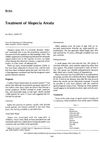
April 1981 in “International Journal of Dermatology” No treatment reliably changes Alopecia Areata's course; reassurance and possibly a wig are recommended.