 January 2025 in “HORMONES”
 Gender-affirming hormone treatments need better patient-focused outcome measurements and standardized data collection.

The new gel for hair loss is safe, effective, and reduces side effects.
Transgender patients face unique skin issues due to hormone treatments and surgeries.
 January 2019 in “Oncogen”
 Triple Hormonal Blockade (ADT3) can effectively manage prostate cancer but requires careful monitoring for heart risks.
 October 2016 in “Journal of the Dermatology Nurses’ Association”
 Polycystic Ovary Syndrome (PCOS) affects 6%-15% of women of reproductive age, causing symptoms like acne and hair loss, and increasing the risk of type 2 diabetes and heart disease; it's managed through diet, exercise, and medications like Metformin and hormonal contraceptives.
 March 2014 in “Journal of The American Academy of Dermatology”
 Azathioprine may help with severe hair loss, a new topical treatment could counteract hair thinning, and trichoscopy can diagnose hair-pulling disorder effectively.
Finasteride reduces DHT to treat prostate issues and hair loss.
July 2008 in “International journal of psychophysiology” Cyproterone acetate is a safe treatment that causes mild feminizing effects in adolescent trans-girls.
 December 2005 in “Endocrine-related cancer”
 A woman's adrenal tumor disappeared after treatment with cyproterone acetate.
 August 2002 in “Analytical Sciences”
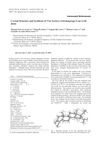
 The document concludes that a compound with potential for treating prostate cancer and hair loss was successfully made and its detailed structure was confirmed.
 December 2000 in “Journal of the Royal Society of Medicine”
 Antiandrogen therapy may help treat hidradenitis suppurativa.
 February 1999 in “Analytical Sciences”
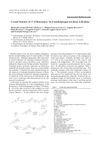
 A new antiandrogen compound was made and its detailed three-dimensional shape was described.
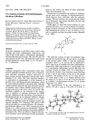 December 1998 in “Acta Crystallographica Section C-crystal Structure Communications”
 A new compound with strong antiandrogenic effects was found, potentially useful for treating conditions like acne and prostate cancer.
 June 2026 in “International Journal of Innovative Technologies in Social Science”
 Clascoterone cream is a safer, effective acne treatment with fewer side effects.
May 2026 in “International Journal of Dermatology” Higher levels of 3α-diol G are linked to more severe female pattern hair loss.
 March 2026 in “Lithuanian University of Health Sciences”
 Finasteride, dutasteride, and oral minoxidil are effective for treating hair loss, with spironolactone as an option for women.
December 2024 in “Journal of Investigative Dermatology” People with androgenetic alopecia had milder COVID-19 symptoms during the Omicron wave in China.
August 2024 in “Steroids” The androgen receptor's shape-changing ability helps it function but can lead to cancer treatment resistance.
 August 2024 in “Indian Journal of Dermatology Venereology and Leprology”
 The book provides comprehensive treatment strategies for female hair loss.
February 2024 in “Indian Dermatology Online Journal” Androgenic alopecia is linked to more severe COVID-19 and higher mortality.
Hair transplantation is a good option for improving appearance in hair loss.
December 2023 in “̒Ulūm-i dārūyī” New treatments for excessive hair growth in women, including advanced drugs and nanotechnology, show promise for better results.
 June 2023 in “International Journal of Research in Dermatology”
 Certain gene variations are linked to severe acne in Egyptian patients and could guide treatment choices.
 March 2023 in “Revista médica Clínica Las Condes”
 The study suggests a possible increase in androgen receptors in patients with frontal fibrosing alopecia, but more research is needed.
 January 2023 in “Springer eBooks”
 Most older adults experience pattern hair loss due to shrinking hair follicles, with men and women showing different balding patterns.
 November 2022 in “The Journal of Clinical Endocrinology and Metabolism”
 Postmenopausal hyperandrogenism, a condition with symptoms like increased hair growth and acne, is usually caused by PCOS but can also be due to other factors. It's diagnosed by checking testosterone levels and treated either by removing the adrenal tumor or through antiandrogen therapy.
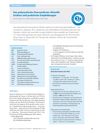 February 2020 in “Diabetologie Und Stoffwechsel”
 The document concludes that more research is needed to include new treatments in guidelines for Polycystic Ovary Syndrome (PCOS).
December 2019 in “Orvostudományi Értesítö” Lifestyle changes, medications, and fertility treatments can improve PCOS symptoms and prevent complications.
 July 2018 in “Elsevier eBooks”
 Frontal Fibrosing Alopecia is a type of hair loss affecting mostly older women, with no agreed best treatment.
 September 2016 in “Gynecology Obstetrics and Reproductive Medicine”
 Effective treatment for skin issues in women with PCOS includes oral contraceptives, antiandrogens, and other medications and procedures.