 134 citations
,
January 2019 in “American journal of clinical dermatology”
134 citations
,
January 2019 in “American journal of clinical dermatology” Antibiotics can reduce acne but may lead to resistant bacteria, and understanding the skin's bacteria is important for treatment.
 4 citations
,
April 2021 in “Experimental Dermatology”
4 citations
,
April 2021 in “Experimental Dermatology” Antibiotics might affect hair growth by changing the bacteria in hair follicles.
 1 citations
,
April 2019 in “Journal of Investigative Dermatology”
1 citations
,
April 2019 in “Journal of Investigative Dermatology” VB1953 gel significantly reduced acne and resistant bacteria in patients who didn't respond to clindamycin.
 1 citations
,
August 2017 in “British Journal of Dermatology”
1 citations
,
August 2017 in “British Journal of Dermatology” Sodium hypochlorite can effectively prevent and remove Staphylococcus aureus biofilms in atopic dermatitis at high enough concentrations.
September 2025 in “Cermin Dunia Kedokteran” Antibiotic resistance in children's UTIs, especially from E. coli, is rising due to misuse and easy access to antibiotics.
 January 2025 in “Annals of Dermatology”
 PCA patients have more harmful bacteria and antibiotic resistance, needing specific testing for treatment.
 July 1989 in “British Journal of Dermatology”
 Women's acne improvement with antibiotics is not linked to signs of high male hormones.
 August 2023 in “JOJ dermatology & cosmetics”
 Antibiotics often cause skin reactions, making them a major health concern.
May 2019 in “Eurasian Journal of Biosciences” Fenugreek aqueous extract is more effective against acne bacteria than the alcoholic extract.
6 citations
,
October 1983 in “PubMed” Coenzyme Q10 may protect liver function but doesn't reduce hair loss from anthracycline antibiotics.
January 2024 in “International Wound Journal” Combination antibiotic therapy is more effective but causes more side effects.
 August 2018 in “Journal of The American Academy of Dermatology”
 Ozenoxacin 1% cream is an effective and safe treatment for impetigo in children and adults.
 September 2023 in “Cureus”
 Topical antibiotics successfully treated a rare scalp condition in an elderly man with vitiligo.
March 2003 in “International Journal of Antimicrobial Agents” 63 citations
,
June 2023 in “Journal of Nanobiotechnology” The sponge heals wounds without antibiotics and has strong antibacterial and antioxidant properties.
 12 citations
,
August 2012 in “ISRN Analytical Chemistry (Print)”
12 citations
,
August 2012 in “ISRN Analytical Chemistry (Print)” Future work on macrolide antibiotic analysis will aim to enhance selectivity, sensitivity, and efficiency using advanced chromatographic methods.
 4 citations
,
November 2018 in “Journal of Pharmaceutical and Biomedical Analysis”
4 citations
,
November 2018 in “Journal of Pharmaceutical and Biomedical Analysis” Roselle flower extracts can protect against free radical damage in UV-irradiated antibiotics.
 1 citations
,
November 2020 in “International Journal of Dermatology”
1 citations
,
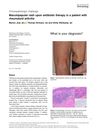
November 2020 in “International Journal of Dermatology” Methotrexate caused a rare skin rash in a rheumatoid arthritis patient, which resolved after stopping the drug.
 February 2026 in “Journal of Microbiology and Biotechnology”
 Abietic acid from pine rosin can effectively fight and reduce harmful skin microbes.
November 2025 in “ACS Nano” The microreactor effectively fights antibiotic-resistant infections and promotes tissue healing.
 9 citations
,
August 2000 in “Journal of Periodontal Research”
9 citations
,
August 2000 in “Journal of Periodontal Research” Finasteride reduces testosterone conversion, progesterone lessens this, and levamisole enhances finasteride's effect.
 January 2025 in “International Journal of Pharmacognosy and Pharmaceutical Research”
 Bacopa monnieri extract can significantly inhibit cell division.
Some bacteria use arsenic compounds as antibiotics, and others have evolved resistance; a particular arsenic-based compound shows potential as a new antimalarial treatment.
238 citations
,
December 2022 in “Frontiers in Public Health” Combining ciprofloxacin with other treatments may improve its effectiveness against resistant bacteria.
1 citations
,
August 2025 in “Annals of Otology Rhinology & Laryngology” Growth factor concentrate is more effective than topical steroids with antibiotics for tympanic membrane repair.
1 citations
,
October 2010 in “EUR Research Repository (Erasmus University Rotterdam)” Botryomycosis can be effectively treated with long-term oral antibiotics.
 April 2026 in “International Journal of Drug Delivery Technology”
 Nanoparticle-based dressings and theranostic innovations improve chronic wound care by effectively targeting biofilms and offering precise treatment.
February 2026 in “ACS Omega” The hydrogel effectively treats oral mucositis by reducing oxidative damage and bacterial infection.
254 citations
,
December 2003 in “Journal of the American Academy of Dermatology” Accurate diagnosis and aggressive treatment are crucial to prevent permanent hair loss in cicatricial alopecia.
 238 citations
,
July 2003 in “British Journal of Plastic Surgery”
238 citations
,
July 2003 in “British Journal of Plastic Surgery” Hidradenitis suppurativa, a chronic skin disease, can be managed with antibiotics, lifestyle changes, and in severe cases, surgery. Early diagnosis and careful planning are key, and laser treatment can be an efficient solution for mild to severe cases.