 January 2024 in “Wiadomości Lekarskie”
 Countries should improve sex education, access to contraception, and legal abortion options.
 January 2024 in “Wiadomości Lekarskie”
 Rhabdomyosarcoma is the most common head and neck cancer in children, requiring complex treatment.
 January 2024 in “Wiadomości Lekarskie”
 Comprehensive treatment improved hearing in 89.7% of soldiers with blast-induced hearing loss.
 January 2024 in “Wiadomości Lekarskie”
 Ancient immune and signaling pathways still regulate blood cell development.
 January 2024 in “Wiadomości Lekarskie”
 Virtual surgical planning improves efficiency, coordination, and precision in complex surgeries.
 December 2023 in “bioRxiv (Cold Spring Harbor Laboratory)”
 AP-2α and AP-2β proteins are essential for healthy adult skin and hair.
 November 2023 in “Regenerative Biomaterials”
 The new adhesive seals wounds quickly, works well in wet conditions, and helps with healing.
 October 2023 in “Biomedical science and engineering”
 Innovative methods are reducing animal testing and improving biomedical research.
 October 2023 in “Arab Gulf journal of scientific research”
 The powder shampoo with cinnamon extract has strong antioxidant properties and is eco-friendly.
 August 2023 in “Gadua Journal of Pure and Allied Science”
 Ziziphus spina-christi leaf extract lowered blood sugar and protected organs in diabetic rats.
 July 2023 in “bioRxiv (Cold Spring Harbor Laboratory)”
 Chitosan slows root hair growth and causes a buildup of callose at low concentrations, but at high concentrations, it only inhibits growth without callose buildup.
 January 2023 in “Annali di stomatologia”
 PRP helps heal and repair tissues in medicine but needs more research for better use.
 January 2023 in “Wiadomości Lekarskie”
 Local antibiotic therapy can effectively treat root canal infections.
 December 2022 in “International Research Journal Of Modernization In Engineering Technology And Science”
 Cosmeceuticals are special products that improve skin and hair health and have benefits like treating acne and wrinkles, protecting from the sun, and helping with dandruff and hair growth.
 October 2022 in “Journal of experimental and clinical medicine”
 Repurposing existing drugs for COVID-19 shows promise but requires more research to confirm effectiveness.
 September 2022 in “Research Square (Research Square)”
 Probiotics and synbiotics may help with PCOS symptoms, but more research is needed.

No single biomarker is reliable enough for diagnosing and assessing SLE.

Wild African goats have genetic adaptations for surviving harsh desert conditions.

Silk sericin dressing with collagen heals wounds faster and improves scar quality better than Bactigras.

PlacMA hydrogels from human placenta are versatile and useful for cell culture and tissue engineering.
 January 2020 in “Elsevier eBooks”
 Plant-based chemicals may help hair growth and prevent hair loss but need more research to compete with current treatments.
 February 2019 in “Institutional Repositories DataBase (IRDB)”
Microneedle technology is effective for skin rejuvenation and enhancing cosmeceutical delivery, with ongoing innovation and increasing commercialization.
 January 2016 in “Springer eBooks”
 New materials and methods could improve skin healing and reduce scarring.
 January 2016 in “Research Explorer (The University of Manchester)”
 Activating the Eda/Edar pathway improves wound healing by enhancing hair follicle growth.
 December 2013 in “Research Portal (King's College London)”
 Hair loss in Lichen Planopilaris is caused by immune system issues damaging hair follicles and stem cells.
 June 1996 in “Irish Journal of Medical Science (1971 -)”
 The document summarizes medical findings on topics like heart rhythm treatment, sleep apnea therapy, and various health conditions and treatments.
 April 2026 in “bioRxiv (Cold Spring Harbor Laboratory)”
 Red light exposure can slow aging in mice by improving fat metabolism.
 January 2026 in “Physical Education Health and Social Sciences”
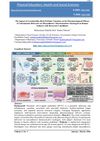
 Combining probiotics, clotrimazole gel, and laser therapy improves treatment for recurrent yeast infections.
 January 2026 in “Frontiers in Materials”
 Metal-organic frameworks help heal wounds by effectively delivering medicine.