 November 2025 in “Frontiers in Endocrinology”
 Apigenin and ellagic acid may help manage PCOS symptoms.
 September 2025 in “Turkish Journal of Dermatology”
 Oxidative stress may play a role in alopecia areata, but depression and suicide risk are similar to healthy peers.
 September 2025 in “Journal of Phytonanotechnology and Pharmaceutical Sciences”
 Licorice has health benefits but can also cause side effects, so it should be used carefully.
 August 2025 in “Fabad Journal of Pharmaceutical Sciences”
 Cuscuta reflexa has potential medicinal benefits but needs more research for clinical use.
 July 2025 in “Journal of Ayurveda and Integrated Medical Sciences”
 Yashtimadhu effectively supports head and neck health with its healing and anti-inflammatory properties.
 July 2025 in “Medical Science”
 Anabolic steroids and SARMs can cause serious liver damage.
 July 2025 in “Insights-Journal of Health and Rehabilitation”
 Adding vitamin D to metformin lowers blood sugar more than metformin alone in type 2 diabetes.
 May 2025 in “Scientific Reports”
 Geraniol effectively treats scabies and is safe for use.
 April 2025 in “International Journal of Ayurvedic Medicine”
 Semecarpus anacardium Linn. may have health benefits, but more research is needed to confirm its safety and effectiveness.
Olive leaves extract may help treat benign prostatic hyperplasia (BPH).
 March 2025 in “International Journal of Pharmaceutical Research and Applications”
 A multidisciplinary approach is key to delaying aging and preventing age-related diseases.
 February 2025 in “Iraqi Journal of Science”
 PCOS patients have higher LDH and lower cortisol, dopamine, zinc, and vitamin D3, which may contribute to their symptoms and obesity.
 February 2025 in “Journal of Nutrients”
 Bone broth may improve health and prevent diseases.
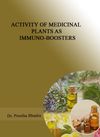
Tridax procumbens may boost the immune system.
 January 2025 in “Acta Dermatovenerologica Alpina Pannonica et Adriatica”
 Oral minoxidil boosts hair growth and reduces shedding in androgenetic alopecia.
January 2025 in “Multimedialen Archiv und Publikationsserver der Christian-Albrechts-Universität zu Kiel (Christian-Albrechts-Universität zu Kiel)” Oxidized LDL reduces cell growth but affects stem cell differentiation less negatively than cytokine-induced inflammation.
 January 2025 in “International Journal of Gynaecology Research”
 Adolescent females with PCOS have higher serum cystatin C levels, indicating potential metabolic and cardiovascular issues.
 January 2025 in “International Journal of Pharmacognosy and Life Science”
 Herbal treatments like Aloe vera, Bhringraj, Neem, Tea tree oil, Amla, and Hibiscus are promising for safer, effective hair care.
 January 2025 in “International Journal of Herbal Medicine”
 Herbs like neem, tulsi, and tea tree oil may treat dandruff without side effects.
 January 2025 in “Exploratory Animal and Medical Research”
 Lithium carbonate and lead acetate together harm the heart more than individually.
Eclipta alba IIHR Sel EA 43 is best for large-scale cultivation due to high growth, yield, and wedelolactone content.
 December 2024 in “Journal of Cancer Therapy and Research”
 Artocarpus heterophyllus seed extract may help treat prostate inflammation without side effects.
 December 2024 in “Deleted Journal”
 New therapies show promise for wound healing, but more research is needed for safe, affordable options.
Oxidative stress, not insulin resistance, is linked to diffuse hair loss.
 August 2024 in “Journal of the Korean Society of Cosmetology”
 Wild peach leaf extract improves hair strength, thickness, and shine after dyeing.
 August 2024 in “Bionatura journal :”
 The hydromethanolic extract of Carthamus caeruleus L. rhizome is a strong antioxidant and can kill cancer cells.
 July 2024 in “Science and Culture”
 Thuja orientalis L. has many health benefits and could be used in new medicines.
 June 2024 in “Okayama University Scientific Achievement Repository (Okayama University)”
 Koji mold on unpolished Thai-colored rice boosts antioxidant activity more than on other rice types.
Curry leaves offer health benefits and can be used safely in various forms for digestion, diabetes control, and hair growth.
 May 2024 in “International journal of nanomedicine”
 Plant-derived extracellular vesicles show promise for treating diseases like cancer and inflammation.