18 citations
,
December 2016 in “European journal of pharmacology” A new compound slows cancer cell growth and causes cell death by blocking cell cycle progression and increasing cell-damaging molecules.
12 citations
,
June 2015 in “Dermatology Reports” Middle-aged women in Iran are most affected by primary cicatricial alopecia, especially discoid lupus erythematous.
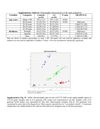 7 citations
,
July 2020 in “Immunological Investigations”
7 citations
,
July 2020 in “Immunological Investigations” The rs231775 genetic variant is linked to a higher risk and severity of Alopecia Areata in males.

A genetic mutation in the EDA gene causes hypohidrotic ectodermal dysplasia in cats.
56 citations
,
February 2012 in “Developmental biology” Sostdc1 controls the size and number of hair and mammary gland structures.
39 citations
,
August 1998 in “FEBS Letters” Two new enzymes, PAD-R11 and PAD-R4, were cloned and showed activity, with PAD-R11 resembling epidermal enzymes.
17 citations
,
June 2003 in “The journal of investigative dermatology. Symposium proceedings/The Journal of investigative dermatology symposium proceedings” Mutations in hKAP1 genes may cause hereditary hair disorders.
CCC1 is essential for ion balance and proper plant cell function.
9 citations
,
May 2019 in “Medicine” The C-allele and CC-genotype in the PTPN22 gene lower the risk of alopecia areata.
75 citations
,
September 2016 in “EMBO journal” PRC2 is essential for maintaining intestinal cell balance and aiding regeneration after damage.
 1 citations
,
November 2024 in “Diabetes Metabolic Syndrome and Obesity”
1 citations
,
November 2024 in “Diabetes Metabolic Syndrome and Obesity” A specific gene variant is linked to severe insulin resistance and hormone imbalance in a teenage girl.
 86 citations
,
August 2011 in “Toxicological sciences”
86 citations
,
August 2011 in “Toxicological sciences” TCDD speeds up skin barrier formation by increasing certain gene expressions.
 59 citations
,
January 2010 in “International Journal of Pediatric Endocrinology”
59 citations
,
January 2010 in “International Journal of Pediatric Endocrinology” NonClassic Congenital Adrenal Hyperplasia is a less severe form of a genetic disorder affecting adrenal gland function.
86 citations
,
December 2002 in “Tissue Antigens” A specific gene change is linked to severe hair loss.
9 citations
,
October 2020 in “Journal of the American Academy of Dermatology” Patients with central centrifugal cicatricial alopecia may have a higher risk of breast and colorectal cancer.
 December 2020 in “bioRxiv (Cold Spring Harbor Laboratory)”
 Stress can cause a type of hair loss in mice lacking the CCHCR1 gene.
April 2025 in “Indian Journal of Paediatric Dermatology” Zinc supplements improved the girl's skin and hair condition.
 September 2016 in “Journal of Dermatological Science”
 Plasmacytoid dendritic cells, which overproduce IFN-α, may play a crucial role in starting alopecia areata, an autoimmune disease causing hair loss.
March 2023 in “Journal of Cosmetic Dermatology” Trichoscopy is effective for diagnosing scalp ACC in darker skin tones.
 11 citations
,
January 2020 in “BMC pediatrics”
11 citations
,
January 2020 in “BMC pediatrics” New mutations in the SLC39A4 gene found in twins help understand the genetic cause of acrodermatitis enteropathica.
 22 citations
,
November 2021 in “Dermatology and Therapy”
22 citations
,
November 2021 in “Dermatology and Therapy” The AAPPO questionnaire is a reliable tool for assessing hair loss impact in alopecia areata patients.
 1 citations
,
July 2025 in “Frontiers in Endocrinology”
1 citations
,
July 2025 in “Frontiers in Endocrinology” ApoBDs, once seen as waste, are now viewed as potential tools for disease treatment and tissue repair.
4 citations
,
January 2024 in “Allergy” Everyone has an immune response to PPD, but reactions differ, causing tolerance, mild inflammation, or allergy.
September 2023 in “Journal of the American Academy of Dermatology” Recognizing IPPP is crucial to prevent misdiagnosis and unnecessary treatments.
 9 citations
,
April 2016 in “Australasian journal of dermatology”
9 citations
,
April 2016 in “Australasian journal of dermatology” Combining imiquimod with diphenylcyclopropenone may improve treatment outcomes for alopecia areata patients who don't respond to diphenylcyclopropenone alone.
 September 2024 in “Journal of the American Academy of Dermatology”
 AH-001 could be a safer and more effective treatment for hair loss.
 August 2016 in “Journal of Investigative Dermatology”
 The enzyme CD73 helps control human hair growth and could be targeted to treat hair growth disorders.
 60 citations
,
August 2008 in “Human molecular genetics online/Human molecular genetics”
60 citations
,
August 2008 in “Human molecular genetics online/Human molecular genetics” A position effect on the TRPS1 gene causes excessive hair growth in humans and mice.
 10 citations
,
December 2015 in “International Journal of Molecular Sciences”
10 citations
,
December 2015 in “International Journal of Molecular Sciences” PDCD4 is important for controlling skin cell growth and healing.
June 2023 in “bioRxiv (Cold Spring Harbor Laboratory)” Scientists created cell lines to study a genetic skin disorder using CRISPR technology.