 September 2012 in “Medicina estética/Medicina estética”
 More research is needed to confirm if laser therapy effectively treats hair loss.
 May 2026 in “International Journal of Nanomedicine”
 Nanozymes help heal burn wounds by fighting bacteria, reducing inflammation, and promoting blood vessel growth.
 March 2026 in “Journal of Skin and Stem Cell”
 Periorbital melanosis may be linked to metabolic syndrome.
 January 2026 in “The Eurasian Journal of Life Sciences”
 Pectin nanofibers show promise for medical use due to their unique properties.
 January 2026 in “Nano-Micro Letters”
 4D scaffolds made with melt electrowriting can change shape for use in medicine.
 January 2026 in “Frontiers in Materials”
 Metal-organic frameworks help heal wounds by effectively delivering medicine.
 December 2025 in “International Journal of Pharmacology”
 iPSC-derived artificial platelets show promise for consistent and effective regenerative therapies.
 December 2025 in “Frontiers in Nutrition”
 Collagen supplements may improve skin, joints, and recovery, especially with added nutrients.
 October 2025 in “Open Repository of the University of Porto (University of Porto)”
 Dutasteride is more effective than finasteride for hair growth, and sublingual apomorphine quickly improves Parkinson's symptoms.
 October 2024 in “Frontiers in Oncology”
 Keratin 18 helps diagnose and predict cancer progression and affects cancer growth and spread.
 March 2024 in “International Journal of Drug Delivery Technology”
 Electrospun nanofiber mats are effective drug carriers for improving wound healing.
The study aims to create a model to improve personalized and preventive health care.
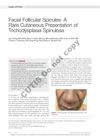
Trichodysplasia spinulosa can occur after a heart transplant due to immunosuppressive drugs.
Changes in skin bacteria can affect hair loss and new treatments targeting these bacteria may prevent balding without sexual side effects.
 January 2012 in “heiDOK (Heidelberg University)”
 Dormant melanoma cells in mice interact minimally with memory T cells due to a suppressive tumor environment.
 January 2008 in “Durham e-Theses (Durham University)”
 Hair follicle stem cells are similar to mesenchymal stem cells and can become neural-like cells under certain conditions.
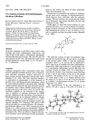 December 1998 in “Acta Crystallographica Section C-crystal Structure Communications”
 A new compound with strong antiandrogenic effects was found, potentially useful for treating conditions like acne and prostate cancer.
 43 citations
,
August 2016 in “International Journal of Nanomedicine”
43 citations
,
August 2016 in “International Journal of Nanomedicine” Eupafolin nanoparticles help protect skin cells from damage caused by air pollution.
 2 citations
,
December 2020 in “bioRxiv (Cold Spring Harbor Laboratory)”
2 citations
,
December 2020 in “bioRxiv (Cold Spring Harbor Laboratory)” The SYP123-VAMP727 complex is important for transporting materials that harden the root hair shank in Arabidopsis.
2 citations
,
October 2000 in “Journal of Investigative Dermatology” AUC and APL are distinct conditions needing careful clinical assessment.
 1 citations
,
May 2019 in “Journal of The American Academy of Dermatology”
1 citations
,
May 2019 in “Journal of The American Academy of Dermatology” Mobile app ImageMeter calculates scalp area faster and reliably for alopecia treatment.
January 2026 in “Journal of Cosmetic Dermatology” Topical 4-aminopyridine 5% does not improve hair growth in male pattern baldness.
5 citations
,
October 2021 in “Journal of the American Academy of Dermatology” PRAME helps distinguish between benign and malignant skin cells in most cases.
 July 2024 in “jurnal ABDIMAS Indonesia”
 Early detection of apolipoprotein levels helps reduce depression risk in the elderly.
Integrating ABI screening in clinics can improve patient care for those at risk of peripheral artery disease.
 42 citations
,
November 2018 in “Archives of dermatological research”
42 citations
,
November 2018 in “Archives of dermatological research” Apremilast was not effective in treating moderate-to-severe alopecia areata.
26 citations
,
September 2009 in “Clinical genetics” Arab APS1 patients have unique and recurrent AIRE gene mutations.
13 citations
,
April 2020 in “European Journal of Dermatology” Apremilast showed mixed results for treating severe alopecia areata.
 22 citations
,
November 2021 in “Dermatology and Therapy”
22 citations
,
November 2021 in “Dermatology and Therapy” The AAPPO questionnaire is a reliable tool for assessing hair loss impact in alopecia areata patients.
8 citations
,
January 2011 in “International journal of trichology” Accurate diagnosis of APL is crucial to avoid unnecessary treatments.