5 citations
,
March 2016 in “Experimental and molecular pathology” Mice with alopecia areata had wider lymphatic vessels in their skin.
165 citations
,
May 2023 in “Science Advances” The hydrogel speeds up healing of infected wounds by providing oxygen and fighting bacteria.
3 citations
,
February 1992 in “Journal of veterinary medicine. Series A” The farm-raised blue fox had a delayed winter coat cycle and abnormal hormone levels, but its hair growth and hormone changes were still linked.
Aged Julia Creek dunnarts suffer from reproductive and hormonal issues, aiding conservation efforts.
November 2025 in “Veterinary and Animal Science” Camel hair structure, not color, helps camels stay cool in the desert.
 1 citations
,
June 2017 in “Veterinary dermatology”
1 citations
,
June 2017 in “Veterinary dermatology” A cross-bred lamb with severe skin and movement issues had ichthyosis fetalis but normal vitamin A levels.
5 citations
,
January 2000 Pododermatitis in farmed mink is likely caused by an unknown infectious agent with secondary bacterial infection.
 1 citations
,
December 2010 in “The journal of small animal practice/Journal of small animal practice”
1 citations
,
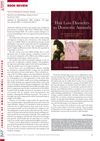
December 2010 in “The journal of small animal practice/Journal of small animal practice” The book helps veterinarians understand and treat hair loss in animals.
9 citations
,
January 2017 in “Archives of biochemistry and biophysics” Testosterone raises blood pressure and changes kidney protein levels.
8 citations
,
January 2012 in “General and Comparative Endocrinology” 5α-Reductase helps regulate hormone action in toad testes, especially during breeding season.
4 citations
,
January 2009 in “Veterinary Dermatology” Cats exposed to diesel oil can lose hair but recover fully without treatment.
9 citations
,
January 2015 in “Veterinary record case reports” A dog in Germany was successfully treated for a rare bacterial infection without spreading it to humans.
20 citations
,
December 2010 in “Journal of Morphology” Lizard claws have hair-like keratins similar to those in mammals.
 August 2025 in “Frontiers in Public Health”
 Coastal residents in Bangladesh link extreme temperatures and saline water to various health issues and stress the need for clean water and health education.
Selenium can be toxic to animals, causing serious health issues, especially in horses.
43 citations
,
July 1994 in “Journal of Cell Science” Cross-linked proteins help maintain the structure of hair, feathers, and hagfish teeth.
1 citations
,
June 1998 in “Journal of Forestry Research” Mammalian hair scales change from smooth to wavy due to friction.
49 citations
,
January 2013 in “Dermatologic Therapy” Newborns with ichthyosis need specific care based on their skin type.
17 citations
,
February 2022 in “Microscopy Research and Technique” Scanning electron microscopy and elemental analysis can help identify animal species by their hair patterns and elements.
 9 citations
,
May 2016 in “Veterinary dermatology”
9 citations
,
May 2016 in “Veterinary dermatology” Long-term oral and topical treatments improved skin condition in a goldendoodle with a genetic disorder.
 1 citations
,
July 2020 in “Journal of Biomedical Translational Research”
1 citations
,
July 2020 in “Journal of Biomedical Translational Research” Raccoon dogs can adapt well to life with three legs after forelimb amputation.
15 citations
,
March 1987 in “Phycologia” Phosphorus limitation causes significant hair growth in certain algae.
3 citations
,
January 2018 Bacterial skin diseases in camelids are often caused by moisture, trauma, and infections.
 November 2022 in “Journal of Investigative Dermatology”
 Neutrophils quickly respond to skin injury.
 January 2024 in “Editora In Vivo eBooks”
 Laser therapy helps relieve pain and improve life quality in small animals with osteoarthritis.
33 citations
,
October 2014 in “Veterinary Dermatology” Epidermolysis bullosa is a genetic disease causing fragile skin and blisters in both animals and humans.
April 2011 in “Companion Animal” Feline pododermatitis is less common in cats than in dogs.
February 2025 in “Proceedings of the National Academy of Sciences” Only Deomyinae rodents can regenerate complex tissues.
1 citations
,
January 2022 in “Book Publisher International (a part of SCIENCEDOMAIN International)” Hydrogen peroxide is the main risk factor for melanoma in swimmers, not UV light.
August 2023 in “bioRxiv (Cold Spring Harbor Laboratory)” Axolotls regenerate their spinal cord through a signal that recruits cells, influenced by cell sensitivity and signal spread.