 15 citations
,
December 2020 in “Pharmacology Research & Perspectives”
15 citations
,
December 2020 in “Pharmacology Research & Perspectives” Blocking enzymes that help the virus enter cells could be a promising way to treat COVID-19.
 28 citations
,
December 2017 in “Journal of Investigative Dermatology Symposium Proceedings”
28 citations
,
December 2017 in “Journal of Investigative Dermatology Symposium Proceedings” Tofacitinib shows promise for treating severe hair loss in adults and teens, with many experiencing regrowth, but hair loss returns when treatment stops.
 3 citations
,
October 1995 in “International Journal of Dermatology”
3 citations
,
October 1995 in “International Journal of Dermatology” Finasteride helps treat skin issues like acne and baldness by blocking testosterone conversion.
July 2022 in “Journal of Cosmetic Dermatology” Isotretinoin with tacrolimus may be more effective short-term for treating frontal fibrosing alopecia than finasteride with tacrolimus.
 October 2022 in “Amplla Editora eBooks”
 Tocilizumab might be an effective treatment for COVID-19.
 3 citations
,
June 2023 in “Journal of cosmetic dermatology”
3 citations
,
June 2023 in “Journal of cosmetic dermatology” A new drug, abrocitinib, helped a child with severe hair loss regrow hair.
9 citations
,
December 2018 in “Cutaneous and Ocular Toxicology” Combined BRAF and MEK treatment increases rash risk but reduces other skin issues compared to BRAF alone.
1 citations
,
January 2002 in “PubMed” PM-9, like finasteride, may help treat certain diseases by blocking a key enzyme.
7 citations
,
November 2023 in “JAAD Case Reports” Baricitinib helped regrow hair in patients with severe alopecia areata after other treatments failed.
 17 citations
,
November 1997 in “Andrology”
17 citations
,
November 1997 in “Andrology” Finasteride effectively treats enlarged prostate and male baldness, improves symptoms of hirsutism in women, but doesn't work for acne, and may delay prostate cancer progression with few side effects.
 2 citations
,
September 2021 in “Curēus”
2 citations
,
September 2021 in “Curēus” Tofacitinib may be safe for COVID-19 patients with alopecia without worsening symptoms, based on two cases.
 January 2021 in “Anais do Congresso Brasileiro de Reumatologia 2020”
 Tofacitinib improved arthritis and partially improved hair loss in a lupus patient without side effects.
March 2026 in “British Journal of Dermatology” Deucravacitinib did not significantly improve hair regrowth in alopecia areata patients.
 April 2016 in “Journal of Investigative Dermatology”
 Mefloquine, an antimalarial drug, is effective in killing melanoma cells resistant to other treatments by causing lethal stress in the cells.
 11 citations
,
May 1996 in “The Journal of clinical endocrinology and metabolism/Journal of clinical endocrinology & metabolism”
11 citations
,
May 1996 in “The Journal of clinical endocrinology and metabolism/Journal of clinical endocrinology & metabolism” The main enzyme found in pubic skin that could be targeted to treat excessive hair growth is 5 alpha-R2.
October 2023 in “Frontiers in Pharmacology” Research on HIV-1 capsid inhibitors has progressed significantly, with the U.S. leading in contributions.
January 2023 in “Dermatologic Therapy” Intralesional corticosteroids and 5-alpha-reductase inhibitors are the best treatments for frontal fibrosing alopecia.
 139 citations
,
November 2016 in “Journal of the American Academy of Dermatology”
139 citations
,
November 2016 in “Journal of the American Academy of Dermatology” Tofacitinib helped regrow hair in most adolescents with alopecia areata, but more research is needed.
 March 2026 in “Lithuanian University of Health Sciences”
 JAK inhibitors can effectively regrow hair in alopecia areata patients, but ongoing treatment is needed to maintain results.
August 2026 in “Scientific Reports” FAM19A5 slows wound healing by stopping skin cell movement.
 1 citations
,
April 2018 in “Journal of Investigative Dermatology”
1 citations
,
April 2018 in “Journal of Investigative Dermatology” Tofacitinib helped most patients with alopecia areata regrow hair and changes in immune cells were linked to the treatment's effectiveness.
 6 citations
,
April 2013 in “Current Dermatology Reports”
6 citations
,
April 2013 in “Current Dermatology Reports” Dermatologists are crucial for managing skin side effects in metastatic melanoma patients using vemurafenib and ipilimumab.
Certain medications, especially 5-alpha reductase inhibitors, are commonly linked to erectile dysfunction.
Oral tofacitinib effectively treats alopecia areata long-term with manageable side effects.
 10 citations
,
March 2016 in “Journal of The American Academy of Dermatology”
10 citations
,
March 2016 in “Journal of The American Academy of Dermatology” Finasteride's effectiveness for frontal fibrosing alopecia is uncertain.
7 citations
,
February 2020 in “Analytical and Bioanalytical Chemistry” 9 citations
,
October 2025 in “MedComm” PROTACs offer new ways to treat hard-to-target diseases, with promising drugs for cancer in advanced trials.
 July 2023 in “Skin Research and Technology”
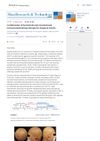
 Baricitinib combined with other immune therapies may safely and effectively treat severe scalp hair loss.
14 citations
,
October 2015 in “Neurochemistry International” Letrozole may help prevent seizures by reducing certain hormone levels.
11 citations
,
February 2022 in “JAAD case reports” Abrocitinib, a JAK inhibitor, may help treat atopic dermatitis and alopecia universalis together.