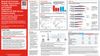
 November 2025 in “SKIN The Journal of Cutaneous Medicine”
 Baricitinib helps regrow scalp, eyebrow, and eyelash hair in teens with severe alopecia areata.
September 2012 in “The Thai journal of veterinary medicine” The dog’s skin infection improved with bee venom acupuncture and herbal medicine.
June 2025 in “British Journal of Dermatology” Ruxolitinib helped a woman with a genetic mutation regrow her hair and improved her health.
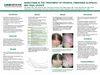 November 2025 in “SKIN The Journal of Cutaneous Medicine”
 Baricitinib shows promise in improving frontal fibrosing alopecia symptoms.
 April 2024 in “bioRxiv (Cold Spring Harbor Laboratory)”
 A gene network led by RSL4 is crucial for early root hair growth in response to cold in Arabidopsis thaliana.
 20 citations
,
March 2023 in “American Journal of Clinical Dermatology”
20 citations
,
March 2023 in “American Journal of Clinical Dermatology” Baricitinib improved severe hair loss in adults over 52 weeks and was safe to use.
 1 citations
,
January 1970
1 citations
,
January 1970 Precise objectives can improve student achievement in health education.
 July 2018 in “International journal of research - granthaalayah”
 Croton tiglium application significantly improved hair regrowth in alopecia areata patients.
July 2025 in “Pharmaceutics” Recombinant Human Annexin A5 may help treat localized scleroderma by reducing skin thickening and inflammation.
 January 2025 in “Balkan Medical Journal”
 Baricitinib helps regrow hair in severe alopecia areata and is safe, but more research is needed.
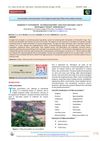 March 2023 in “International journal of pharmaceutical sciences review and research”
 The F2 Emulgel with Tridax procumbens extract showed good physical properties and antimicrobial effectiveness for wound healing.

This rare genetic disorder causes permanent hair loss and skin bumps from birth.
 1 citations
,
March 2023 in “Science Translational Medicine”
1 citations
,
March 2023 in “Science Translational Medicine” Blocking a certain signal in the gp130 receptor can improve tissue healing and lessen osteoarthritis symptoms.
 2 citations
,
January 2017 in “Plant”
2 citations
,
January 2017 in “Plant” The organic extracts from the roots of Glycyrrhiza Glabra Linn have antioxidant and antibacterial properties.
9 citations
,
May 2021 in “JEADV. Journal of the European Academy of Dermatology and Venereology/Journal of the European Academy of Dermatology and Venereology” Topical minoxidil may help treat a rare genetic hair condition with no fully effective treatments yet.

The extract from the plant Adiantum capillus-veneris might be used to treat COVID-19.
 February 2024 in “Journal of Cellular and Molecular Medicine”
 A hydrogel releasing pectolinarin speeds up wound healing and reduces scarring.
1 citations
,
April 2025 in “Skin Health and Disease” Combining delgocitinib ointment with excimer laser can effectively treat severe alopecia areata.
June 2024 in “JURNAL BIOLOGI TROPIS” Moringa oleifera Lamk. shows promise as an effective anti-acne treatment.
November 2025 in “JOURNAL OF EXPERIMENTAL ZOOLOGY INDIA” Thymol is a promising natural treatment for hair regrowth and inflammation in alopecia areata, performing better than betamethasone.
 5 citations
,
January 2004 in “Biochimie”
5 citations
,
January 2004 in “Biochimie” Arsenic trioxide effectively treats APL, improving survival rates despite its toxicity.
December 2025 in “PubMed” Baricitinib is effective and safe for treating severe alopecia areata.
 April 2026 in “Clinical Cosmetic and Investigational Dermatology”
 Myrtus communis leaf extract may help with hair loss and wound healing.
 December 2021 in “Jurnal ilmiah Manuntung”
 The best hair growth results were achieved with a hair tonic containing 5% gotu kola extract and 0.04% garlic extract.
 April 2016 in “Journal of Investigative Dermatology”
 Lithocholic acid helps hair growth and regeneration in alopecia by activating vitamin D receptors.
 3 citations
,
March 2010 in “Dermatologica Sinica”
3 citations
,
March 2010 in “Dermatologica Sinica” A Taiwanese patient had hair loss and skin bumps without the usual gene mutation, suggesting other genetic factors might be involved.
Tumid lupus erythematosus can cause non-scarring hair loss on the scalp and requires careful diagnosis.
1 citations
,
November 2013 in “Asian Journal of Pharmaceutical and Clinical Research” Medicated oil from Martynia annua leaves and fruits helps prevent hair loss caused by testosterone in mice.
 April 2018 in “Journal of Investigative Dermatology”
 High amphiregulin in the skin is a bad sign for acute graft-versus-host disease.
12 citations
,
July 2016 in “Journal of dermatology” Intramuscular triamcinolone acetonide is an effective treatment for severe alopecia areata, especially in males.