 5 citations
,
February 2015 in “Dermatologic Surgery”
5 citations
,
February 2015 in “Dermatologic Surgery” Two cases of a rare skin condition were successfully treated with laser therapy, offering a non-surgical treatment option.
January 2026 in “JEADV Clinical Practice” The patchy alopecia in the altarpiece likely symbolizes the soldier's negative traits.
 December 2025 in “Clinical & Experimental Dermatology and Therapies”
 Cosmerna ARI effectively reduces hair loss and increases hair density in Europeans with androgenetic alopecia.
 1 citations
,
February 2021 in “Journal of Natural Remedies”
1 citations
,
February 2021 in “Journal of Natural Remedies” Ficus religiosa and Morus alba extracts improved hair growth and follicle regeneration in mice.
 August 2023 in “Journal of Investigative Dermatology”
 Ganoderma lucidum extract and its component, ganoderic acid A, may effectively prevent hair loss.
 January 2023 in “Our Dermatology Online”
 An old recipe called "Champigny Saumure" might help treat a rare scalp condition.
 January 2025 in “Medical Research Archives”
 Low-level laser therapy can help with inflammation but isn't widely accepted yet.
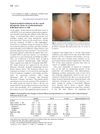 14 citations
,
July 2012 in “Journal of the American Academy of Dermatology”
14 citations
,
July 2012 in “Journal of the American Academy of Dermatology” Topical tacalcitol ointment can help improve symptoms of EFFC.
15 citations
,
January 2025 in “Journal of the European Academy of Dermatology and Venereology” Ritlecitinib is effective and safe for treating alopecia areata, promoting significant hair regrowth.
1 citations
,
January 2014 in “Research Journal of Pharmacognosy and Phytochemistry” Hibiscus root extract reduces inflammation in rats.
14 citations
,
March 2025 in “Nano Today” The hydrogel dressing speeds up and improves diabetic wound healing.
2 citations
,
September 2018 in “Walailak Journal of Science and Technology (WJST)” Thuja orientalis fruits have more antioxidants and could benefit the pharmaceutical industry.
 September 2019 in “Asian Journal of Pharmaceutical and Clinical Research”
 Teak seed extract is safe and reduces pain in mice.
Gel 2, with shark liver and borage oil, is effective for reducing inflammation and healing wounds.
February 2018 in “Zenodo (CERN European Organization for Nuclear Research)” Mulethi and Amla effectively kill E. coli bacteria.
 January 2024 in “Journal of Clinical Images and Medical Case Reports”
 Baricitinib may help treat frontal fibrosing alopecia and facial papules.
19 citations
,
October 2017 in “Dermatologic Surgery” The alexandrite laser is a safe and effective treatment for Acne Keloidalis Nuchae.
Fructus Ligustri Lucidi water extract helps hair growth by promoting cell survival and activating specific pathways.
 April 2023 in “International journal of pharmaceutical sciences review and research”
 The F2 Emulgel with Tridax procumbens extract showed the best qualities for healing wounds.
November 2025 in “SKIN The Journal of Cutaneous Medicine” Baricitinib is effective and safe for treating severe alopecia areata for up to 5 years.
7 citations
,
August 2024 in “Marine Drugs” Ultrasound can safely produce beneficial carrageenan from red algae.
 37 citations
,
September 2018 in “Journal of the American Academy of Dermatology”
37 citations
,
September 2018 in “Journal of the American Academy of Dermatology” Ruxolitinib can help regrow hair in severe alopecia areata.
2 citations
,
May 2025 in “Antioxidants” Prunus africana bark has the highest antioxidant activity and phenolic content.
10 citations
,
August 2020 in “Acta histochemica” All-trans-retinoic acid stops mink hair growth by affecting cell growth and causing cell death.
14 citations
,
August 2004 in “Veterinary Dermatology” The horse had a rare type of hair loss caused by immune cells attacking hair follicles.
 38 citations
,
January 2002 in “Biological & Pharmaceutical Bulletin”
38 citations
,
January 2002 in “Biological & Pharmaceutical Bulletin” Lygodii Spora extract may help treat hair loss by blocking a hair loss-related enzyme and promoting hair growth.
August 2024 in “Skin Research and Technology” TAF can be identified by excessive skin thickening and clogged hair follicles, helping distinguish it from similar skin conditions.
Hibiscus leaves and apple skin could be effective in hair tonics to prevent hair loss.
Baricitinib effectively regrows hair in severe alopecia areata cases.
 January 2026 in “Journal of Ayurveda and Naturopathy”
 False daisy is effective for liver protection and hair care.