 September 2024 in “Journal of the American Academy of Dermatology”
 Phenoxyethanol in hair growth products may be linked to frontal fibrosing alopecia.
November 2024 in “International Journal of Women’s Dermatology” Frontal fibrosing alopecia in Bogotá mainly affects postmenopausal women, with possible links to hormonal changes and sunscreen use.
16 citations
,
July 1996 in “Journal of Investigative Dermatology” December 2012 in “http://isrctn.org/>”  April 2016 in “Journal of Investigative Dermatology”
 Phenylephrine may help prevent hair loss from pulling on the hair roots.
13 citations
,
February 2025 in “Journal of the European Academy of Dermatology and Venereology” Ritlecitinib shows promise for treating alopecia areata, especially with early and extended treatment.
 August 2025 in “Editora Pasteur eBooks”
 Combining conventional and integrative treatments can help reduce hair loss and improve hair growth in women with androgenic alopecia.
 11 citations
,
April 2020 in “Journal of Dermatological Treatment”
11 citations
,
April 2020 in “Journal of Dermatological Treatment” Taking oral isotretinoin with creams worked better for treating a type of hair loss than creams alone.
June 2014 in “Dermatology Times E-News” An arthritis drug helped a person with severe hair loss regrow their hair.
 3 citations
,
January 2024 in “Annals of Dermatology”
3 citations
,
January 2024 in “Annals of Dermatology” The criteria help doctors diagnose and treat alopecia areata more effectively.
 139 citations
,
November 2016 in “Journal of the American Academy of Dermatology”
139 citations
,
November 2016 in “Journal of the American Academy of Dermatology” Tofacitinib helped regrow hair in most adolescents with alopecia areata, but more research is needed.
August 2024 in “Skin Research and Technology” TAF can be identified by excessive skin thickening and clogged hair follicles, helping distinguish it from similar skin conditions.
 December 2022 in “Dermatology and Therapy”
 Alopecia areata needs more recognition and better treatment access in Latin America to improve patient care and outcomes.
 June 2024 in “Indian Dermatology Online Journal”
 Topical tofacitinib is effective and safe for treating alopecia areata.
February 2026 in “Chemical Engineering Journal” PCA hydrogel promotes hair growth by enhancing blood vessel formation and hair follicle stem cell activity.
 1 citations
,
May 2014 in “European Journal of Inflammation”
1 citations
,
May 2014 in “European Journal of Inflammation” A lotion with minoxidil, hydrocortisone butyrate, and 17a-estradiol can improve or stabilize Frontal Fibrosing Alopecia in some cases, but there's no universally-accepted treatment yet.
 6 citations
,
June 2011 in “British Journal of Dermatology”
6 citations
,
June 2011 in “British Journal of Dermatology” People with alopecia areata have higher levels of RBP4 protein and antibodies against it.
 November 2025 in “SKIN The Journal of Cutaneous Medicine”
 Baricitinib significantly regrows hair in teens with severe alopecia areata.
7 citations
,
August 2024 in “Clinical and Experimental Dermatology” Upadacitinib is effective and safe for treating severe alopecia areata in teens.

Baricitinib quickly improved severe alopecia areata, with almost total hair regrowth in three months.

ARHGEF3 is essential for proper hair follicle development.
3 citations
,
May 2024 in “International Journal of Women’s Dermatology” Over-the-counter hair growth products may cause frontal fibrosing alopecia due to allergens.
 March 2026 in “Journal of Pakistan Association of Dermatologists”
 Tofacitinib helps hair regrowth in alopecia areata but relapse is common after stopping treatment.
 1 citations
,
May 2017 in “Journal of the American Academy of Dermatology”
1 citations
,
May 2017 in “Journal of the American Academy of Dermatology” Oral tofacitinib may be an effective and tolerable treatment for some people with severe alopecia areata.
April 2013 in “e-Jurnal Medika Udayana” Finasteride effectively treats male pattern baldness.
 May 2026 in “Scholars Journal of Medical Case Reports”
 Intralesional betamethasone and oral hydroxychloroquine improved hair loss in a woman with frontal fibrosing alopecia.
April 2025 in “Science Journal of University of Zakho” Inflammatory diets may increase the risk and severity of alopecia areata.
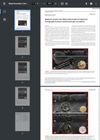 February 2024 in “Skin research and technology”
 LC-OCT is a promising tool for diagnosing and monitoring Alopecia areata.
January 2026 in “Clinical and Experimental Dermatology” Ruxolitinib helped a patient with alopecia areata regrow hair.
 September 2023 in “PubMed”
 Baricitinib is a relatively safe and effective treatment for severe alopecia areata.