2 citations
,
February 2025 in “Journal of Nanobiotechnology” Modified frameworks with stearic acid enhance drug delivery and promote hair growth.
 March 2026 in “Scientific Reports”
 Ferulic acid may help hair grow by activating certain receptors in cells.
October 2025 in “Indian Journal of Paediatric Dermatology” Zinc treatment improved skin and hair issues in a boy with a zinc-related condition.
January 2022 in “Drug Delivery” The aloe ferox gel with finasteride and oregano oil may effectively treat alopecia.
November 2024 in “Skin Appendage Disorders” Clinicians should consider individual factors and communicate risks and benefits when prescribing ritlecitinib for adolescent alopecia areata.
July 2019 in “Medical Science and Discovery” Early diagnosis and treatment can prevent or delay frontal fibrosing alopecia progression in postmenopausal women.
11 citations
,
February 2022 in “JAAD case reports” Abrocitinib, a JAK inhibitor, may help treat atopic dermatitis and alopecia universalis together.
 January 2020 in “Clinical Case Reports and Reviews”
 Lupus and frontal fibrosing alopecia may share a common cause.
 August 2018 in “Journal of Investigative Dermatology”
 Polyunsaturated fatty acids, like arachidonic acid and eicosapentaenoic acid, can promote hair growth and may help treat hair loss.
7 citations
,
April 2024 in “International Journal of Dermatology” Alopecia areata greatly affects the quality of life for children and their families.
December 2025 in “Current Issues in Molecular Biology” Cytarabine can cause multiple organ toxicities, especially neurotoxicity, but better research methods are needed to fully understand and predict these effects.
3 citations
,
May 2007 in “Journal of Heterocyclic Chemistry” A new method to make finasteride for hair loss treatment was developed.
April 2023 in “Journal of Investigative Dermatology” Increased TEMRA cells can predict treatment outcomes in rapidly progressive alopecia areata.
OCT can effectively diagnose different stages of hair loss non-invasively.
 1 citations
,
January 2025 in “American Journal of Translational Research”
1 citations
,
January 2025 in “American Journal of Translational Research” PPARα agonists may help treat alopecia areata by reducing inflammation.
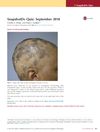 August 2018 in “Journal of Investigative Dermatology”
 Tofacitinib may help regrow hair in alopecia areata patients.
December 1998 in “福井大学教育学部紀要 第4部 教育科学” HA-P5 effectively treats acne without causing side effects seen in other treatments.
 1 citations
,
February 2022 in “Online journal of biological sciences”
1 citations
,
February 2022 in “Online journal of biological sciences” The document does not determine if adults with aphallia are fertile.
October 2023 in “The Open Dermatology Journal” Baricitinib is effective for severe alopecia areata with manageable side effects, mainly upper respiratory infections.
 March 2017 in “Drug delivery letters”
 Dr. Jia-You Fang is a highly experienced researcher in drug delivery and related fields, with numerous publications and international collaborations.
 130 citations
,
February 2018 in “Journal of Investigative Dermatology”
130 citations
,
February 2018 in “Journal of Investigative Dermatology” Tofacitinib may help treat severe hair loss, but more research is needed.
January 2008 in “OhioLink ETD Center (Ohio Library and Information Network)” SARMs work differently in tissues due to unique interactions and structures.

Moderate facial angiofibroma significantly reduces quality of life compared to almost-clear cases, highlighting the benefits of treatment.
 April 2011 in “The FASEB Journal”
 Aralia continentalis root extract may help with hair growth.
New drugs, baricitinib and ritlecitinib, are effective for severe alopecia areata.
 May 2008 in “Hair transplant forum international”
 A genetic test can identify people at risk of male pattern baldness early, allowing for quicker treatment.
 February 2022 in “Journal of Cosmetic Dermatology”
 Argan oil protects hair from oxidative damage and reduces protein loss.
135 citations
,
December 2006 in “PLoS Medicine” Hyaluronate fragments can help reverse skin thinning by working with the CD44 receptor.
 8 citations
,
December 2017 in “Journal of The American Academy of Dermatology”
8 citations
,
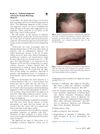
December 2017 in “Journal of The American Academy of Dermatology” The authors updated the criteria for diagnosing frontal fibrosing alopecia, making it easier to diagnose without a biopsy.
 September 2024 in “Journal of the American Academy of Dermatology”
 Phenoxyethanol in hair growth products may be linked to frontal fibrosing alopecia.