2 citations
,
July 2025 in “Acta Pharmacologica Sinica” Isoginkgetin reduces inflammation in cells by blocking NF-κB activation.
July 2024 in “Journal of Investigative Dermatology” Glutamine helps macrophages reduce inflammation and improve wound healing.
Granzyme B accelerates skin aging and impairs healing by breaking down important skin components.
71 citations
,
June 2005 in “Journal of Investigative Dermatology” PAD enzymes play a key role in hair growth and structure.
 27 citations
,
September 1999 in “Journal of Investigative Dermatology”
27 citations
,
September 1999 in “Journal of Investigative Dermatology” Human skin cells contain Protease Nexin-1, and male hormones can decrease its levels, potentially affecting hair growth.

The RNA AL136131.3 slows down hair growth and speeds up hair loss by affecting sugar breakdown in hair follicles.
Higher nitric oxide synthase levels in the scalp may influence hair loss in androgenetic alopecia.
31 citations
,
March 2016 in “Journal of Investigative Dermatology” AKR1B10 enzyme may cause keloid scars and could be a treatment target.
April 2023 in “Journal of Investigative Dermatology” AL136131.3 slows hair growth by affecting energy processes in hair loss.
July 2026 in “Biochimica et Biophysica Acta (BBA) - Gene Regulatory Mechanisms” January 2025 in “Genetics in Medicine Open” Biotinidase deficiency can mimic neuromyelitis optica and should be considered for accurate diagnosis and treatment.
25 citations
,
May 2017 in “InTech eBooks” Catalytic antibodies are early indicators and active participants in the development of systemic lupus erythematosus.
 February 2025 in “International Journal of Molecular Sciences”
 RIPK1 inhibitors may help prevent alopecia areata by reducing immune cell activity.
 19 citations
,
May 2014 in “Molecules”
19 citations
,
May 2014 in “Molecules” Avicequinone C, a compound found in the Avicennia marina plant, can reduce hair loss by inhibiting a hormone linked to androgenic alopecia.
 19 citations
,
August 2008 in “Journal of The European Academy of Dermatology and Venereology”
19 citations
,
August 2008 in “Journal of The European Academy of Dermatology and Venereology” Bald areas have lower cell growth, more DNA damage, and increased cell death.
86 citations
,
December 2002 in “Tissue Antigens” A specific gene change is linked to severe hair loss.
6 citations
,
June 2023 in “Experimental Dermatology” Targeting mitophagy may help treat alopecia areata by reducing inflammasome activation.
January 2007 in “Journal of Southwest University” The ND1 gene of the Asian black bear Sichuan subspecies is similar to other bear species.
2 citations
,
July 2025 in “Scientific Reports” Acinetobacter strain A1-4-2 can safely clean water pollutants.
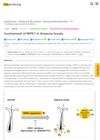
RIPK1 inhibitors might help prevent alopecia areata.
 26 citations
,
June 2018 in “The journal of immunology/The Journal of immunology”
26 citations
,
June 2018 in “The journal of immunology/The Journal of immunology” AIRE-deficient rats developed severe autoimmune disease similar to APECED, useful for testing treatments.
1 citations
,
September 2021 in “Journal of Cosmetic Dermatology” Certain gene variations may increase the risk of hair loss in Egyptians.
 January 2022 in “Current Enzyme Inhibition”
 New nonsteroidal molecules can potentially increase dihydrotestosterone in neurons by blocking certain enzymes, without affecting prostate and seminal vesicle weight.
November 2025 in “Figshare” SQSTM1 is linked to increased risk of alopecia areata.
 September 2023 in “Nature communications”
 Alk1 in specific cells is crucial for proper nerve branching and hair function.
 January 2024 in “International Journal of Trichology”
 PON1 levels might indicate hair loss severity, but other health factors can affect this.
December 2015 in “PLOS ONE” 
A new mutation in the CYP11B1 gene was found in a woman with mild hyperandrogenemia, a rare cause of non-classic congenital adrenal hyperplasia.
9 citations
,
February 2024 in “mBio” Biliverdin IXβ and IXδ help Pseudomonas aeruginosa adapt to chronic infections.
 54 citations
,
October 2024 in “Nature Communications”
54 citations
,
October 2024 in “Nature Communications” Molybdenum oxide nanozymes can effectively treat and monitor acute kidney injury by reducing oxidative stress.