November 2025 in “Chemistry - An Asian Journal” EISA uses enzymes to create precise nanostructures in cells, offering new ways to design adaptive materials and therapies.
 56 citations
,
December 2011 in “The Plant Journal”
56 citations
,
December 2011 in “The Plant Journal” AGD1 is important for root hair development in Arabidopsis, working with phosphoinositide signaling and the actin cytoskeleton.
3 citations
,
March 2013 in “Journal of the Society of Cosmetic Scientists of Korea” Transglutaminase can repair damaged hair, making it stronger and shinier.
 3 citations
,
February 2020 in “Dermatologic Therapy”
3 citations
,
February 2020 in “Dermatologic Therapy” Reducing micro-inflammation didn't change hair growth patterns in AGA.
 1 citations
,
August 2024 in “Skin Research and Technology”
1 citations
,
August 2024 in “Skin Research and Technology” There is no causal relationship between androgenetic alopecia and serum uric acid.
September 2019 in “The journal of investigative dermatology/Journal of investigative dermatology” Certain proteins are significantly increased in the skin of people with hidradenitis suppurativa.
 23 citations
,
December 2013 in “British Journal of Dermatology”
23 citations
,
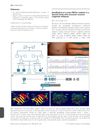
December 2013 in “British Journal of Dermatology” A new gene mutation linked to a skin condition was found in a Spanish family.
Four genes are linked to alopecia areata, with two increasing risk and two offering protection.
31 citations
,
December 1997 in “Developmental Medicine & Child Neurology” Biotinidase deficiency can cause vision and walking problems in children and can improve with biotin treatment.
 April 2023 in “Journal of Investigative Dermatology”
 Human TMEM2 does not break down hyaluronan but helps control its metabolism.
 16 citations
,
January 2023 in “Acta Biomaterialia”
16 citations
,
January 2023 in “Acta Biomaterialia” The hydrogel quickly stops bleeding and helps heal infected wounds.
 July 2023 in “Institutional Repositories DataBase (IRDB)”
 Malassezia species may contribute to hair loss in AGA patients.
April 2019 in “The journal of investigative dermatology/Journal of investigative dermatology” A compromised gut may trigger the autoimmune hair loss condition Alopecia Areata.
5 citations
,
May 2024 in “Journal of Allergy and Clinical Immunology Global” Upadacitinib effectively improved severe atopic dermatitis and alopecia universalis in a 29-year-old man.
55 citations
,
December 1987 in “Archives of Dermatology” Two enzyme defects in biotin metabolism cause severe skin, hair, and metabolic issues.
 20 citations
,
October 2008 in “Archives of dermatological research”
20 citations
,
October 2008 in “Archives of dermatological research” Angiogenin helps hair grow by stimulating cell growth and blood vessel formation.
16 citations
,
May 1995 in “Biochemical and Biophysical Research Communications” Both enzyme forms can sulfate minoxidil.
November 2025 in “Clinical and Translational Allergy” The consensus provides guidelines for safely stopping danazol in hereditary angioedema treatment.
21 citations
,
January 1999 in “Molecular and Cellular Biochemistry” Niacin deficiency makes rats more sensitive to cancer-causing chemicals.
August 2024 in “Latin American Journal of Development” 5α-reductase enzymes are crucial in certain disorders, and while treatment advances exist, more research on SRD5A3 is needed.
 78 citations
,
June 2013 in “Science”
78 citations
,
June 2013 in “Science” Mice without the Sept4/ARTS gene heal wounds better due to more stem cells that don't die easily.
March 2026 in “Pharmaceutical Biology” Asiaticoside can improve wound healing after ESD by promoting tissue repair and reducing inflammation.
 July 2025 in “Scientific Reports”
 RG and RJ gels speed up burn wound healing better than other treatments.
1 citations
,
July 2022 in “British Journal of Dermatology” Targeting specific genes in certain pathways may help treat male pattern baldness.
 28 citations
,
September 2008 in “Current Pharmaceutical Design”
28 citations
,
September 2008 in “Current Pharmaceutical Design” Allergic reactions to blood thinners are rare but can be serious, requiring careful management and alternative treatments.
 February 2025 in “International Journal of Molecular Sciences”
 RIPK1 inhibitors may help prevent alopecia areata by reducing immune cell activity.
2 citations
,
August 2004 Early diagnosis and proper treatment improve outcomes for methylmalonic acidemia.
 4 citations
,
October 2022 in “Aesthetic surgery journal”
4 citations
,
October 2022 in “Aesthetic surgery journal” Injecting hyaluronidase into the artery is effective for treating skin death and hair loss caused by hyaluronic acid fillers.
 1 citations
,
July 2023 in “Al-Azhar Medical Journal”
1 citations
,
July 2023 in “Al-Azhar Medical Journal” Higher antigliadin antibodies are linked to more severe alopecia areata, suggesting screening for celiac disease in these patients.
15 citations
,
July 2009 in “Biomedical Chromatography” A reliable method was developed to measure aristolochic acid-I in rat blood.