 January 2023 in “Postępy Dermatologii i Alergologii”
 Azelaic acid treats acne, rosacea, and hyperpigmentation with minimal side effects.
 January 2022 in “Turkiye Klinikleri Journal of Dermatology”
 The Turkish version of the MAIA-2 Scale is valid and reliable for patients at a dermatology clinic.
38 citations
,
October 2005 in “Expert opinion on therapeutic patents” Selective androgen receptor modulators (SARMs) are a promising type of drug for various health conditions due to their targeted actions.
January 2026 in “Annals of Dermatology” Alitretinoin may help treat mild to moderate alopecia areata.
 September 2025 in “Journal of the European Academy of Dermatology and Venereology”
 Baricitinib effectively promotes hair regrowth and improves well-being in severe alopecia areata patients.
 March 2026 in “International Journal of Pharmaceutics and Drug Analysis”
 The polyherbal emulgel is a promising treatment for rheumatoid arthritis with effective and sustained results.
March 2010 in “The Journal of Urology” Methylation of the 5-AR2 gene may cause resistance to Finasteride in BPH patients.
 1 citations
,
September 2023 in “Rheumatology advances in practice”
1 citations
,
September 2023 in “Rheumatology advances in practice” A woman's rare scalp condition worsened after using a specific arthritis medication, suggesting such medications can sometimes trigger or aggravate psoriasis.
 June 2026 in “Journal of health economics and outcomes research”
 Ritlecitinib is more effective and cheaper than baricitinib for treating severe alopecia areata.
 January 2024 in “Clinical and Experimental Dermatology”
 Baricitinib helps treat severe hair loss in people over 65.
May 2025 in “Journal of the European Academy of Dermatology and Venereology” Ritlecitinib is effective for long-term hair regrowth in alopecia areata, especially in females and early treatment.
March 2023 in “SKIN The Journal of Cutaneous Medicine” Ritlecitinib helped most alopecia areata patients regrow hair by Week 48.
January 2017 in “Seoul National University Open Repository (Seoul National University)” AIMP1 can boost hair growth by increasing stem cell activity.
 2 citations
,
September 2022 in “Dermatologic Therapy”
2 citations
,
September 2022 in “Dermatologic Therapy” Tofacitinib is a promising treatment for severe alopecia areata, with many patients experiencing complete or partial hair regrowth.
Baricitinib may not always prevent relapse in alopecia areata.
24 citations
,
February 2011 in “The American journal of pathology” AIRE protein, defective in APECED patients, is found in skin and hair cells and interacts with cytokeratin 17.
 January 2023 in “Indian Dermatology Online Journal”
 No single ideal JAK inhibitor for alopecia areata has been determined; JAK3 inhibitors may be promising with fewer side effects.
 6 citations
,
February 2023 in “Journal of the American Academy of Dermatology”
6 citations
,
February 2023 in “Journal of the American Academy of Dermatology” Upadacitinib improved hair regrowth and quality of life in alopecia areata patients with minimal side effects.
April 2025 in “Journal of Ethnopharmacology” Amygdalin in Persicae Semen may help treat hair loss by promoting hair growth and regulating key pathways.
 17 citations
,
February 2019 in “Journal of steroid biochemistry and molecular biology/The Journal of steroid biochemistry and molecular biology”
17 citations
,
February 2019 in “Journal of steroid biochemistry and molecular biology/The Journal of steroid biochemistry and molecular biology” AKR1D1 controls glucocorticoid levels and receptor activity in liver cells.
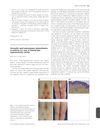 6 citations
,
February 2016 in “British Journal of Dermatology”
6 citations
,
February 2016 in “British Journal of Dermatology” A woman with a drug allergy to anakinra was successfully desensitized, allowing her to continue treatment without allergic reactions.
June 2021 in “Dépôt Institutionnel de lUniversité de Tlemcen” In Algeria, women mainly use essential oils for beauty and health.
 August 2024 in “JAMA Dermatology”
 Continuous baricitinib is needed to keep hair regrowth in severe alopecia areata.
1 citations
,
May 2026 in “Journal of Dermatological Treatment” JAK1 inhibitor may effectively treat alopecia areata when TNF-α inhibitors and corticosteroids fail.
3 citations
,
July 2024 in “Archives of Dermatological Research” Oral ritlecitinib and baricitinib are promising treatments for severe alopecia areata due to their balance of effectiveness and safety.
1 citations
,
January 2024 in “Dermatologic Therapy” Methotrexate and azathioprine are equally effective and well-tolerated for treating lichen planopilaris.
 January 2025 in “bioRxiv (Cold Spring Harbor Laboratory)”
 Armadillo Repeat Only proteins are essential for proper plant growth and response by regulating calcium channels.
22 citations
,
September 2020 in “Journal of the American Academy of Dermatology” Apremilast may be a promising long-term treatment for hidradenitis suppurativa.
New drugs, baricitinib and ritlecitinib, are effective for severe alopecia areata.
3 citations
,
January 2016 in “Case reports in dermatological medicine” An 80-year-old man grew extra hair on his forearms after starting Alzheimer's medication rivastigmine.